
-
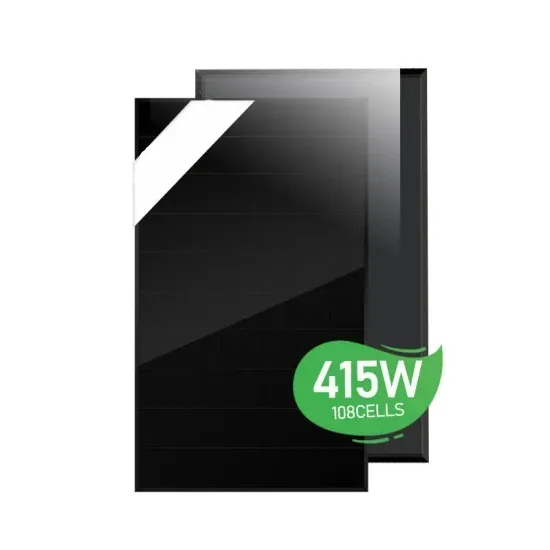
Monocrystalline silicon solar module warranty period
Engineered for maximum performance, these modules are resistant to potential-induced degradation (PID) and come with a 10-year product warranty and a 25-year performance guarantee. Perfect for both residential and commercial applications. . SolarEdge warrants its Crystalline photovoltaic solar modules (hereafter referred to as “modules”), including factory-assembled DC connectors and cables, if any, to be free from defects in materials and workmanship under normal application, conditions, use, installation, and maintenance, within a. . The terms of the limited warranty are as follows: 1. Limited Product Warranty – Ten Years/Twelve Years(Half Cell) Repair, Replacement date”). beyond the period of 120 months or 144 months set forth here. The product warranty, often lasting 10 to 25 years, covers defects in. . High-efficiency solar panels with superior power output and longevity.
[PDF Version]
-
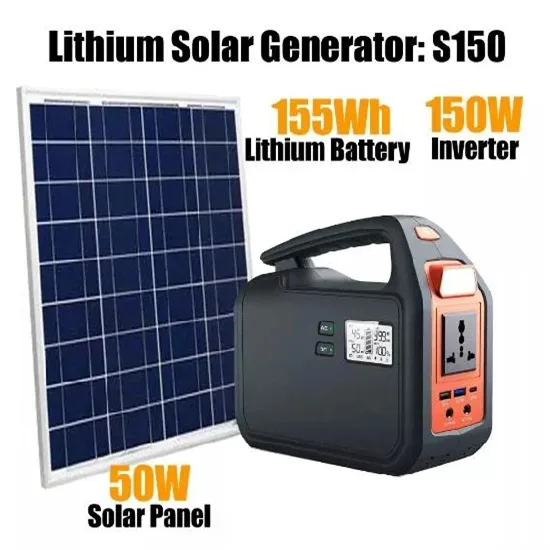
How much current does an 8 watt solar panel produce
A typical solar panel produces between 6 and 9 amps depending on its wattage, voltage, and environmental conditions. 15 kWh per day (at 4-6 peak sun hours locations). A 8kW solar system will produce. . Electricity generation by an 8W solar panel depends on multiple factors such as sunlight availability, duration of exposure, and panel efficiency. When connected to MPPT (Maximum Power Point Tracking) solar equipment, the Imp is the amperage level that the MPPT controller aims to maintain to ensure the. . How to Calculate Solar Energy Output The basic formula to estimate solar output is: Daily Energy (kWh/day) = Panel Wattage × Number of Panels × Sun Hours × Efficiency ÷ 1000 This calculator automates that process and gives you daily, monthly, and yearly energy estimates. But wattage alone doesn't tell the whole story. In fact, efficiency matters more than wattage when comparing solar panels—a higher wattage can simply. .
[PDF Version]
-
Andorra monocrystalline silicon solar panel manufacturer
Specializing in high-efficiency photovoltaic solutions since 2012, our Andorra-based facility combines precision engineering with sustainable practices. Serving both domestic and international markets, we deliver: Contact our energy experts: 📞 +86 138 1658 3346 (WhatsApp/WeChat) 📧. . CP-SOLAR is specialized in the manufacturing of solar panels, the design and conception of photovoltaic systems. CP-SOLAR, a limited company from Hong Kong and China mainland, was founded in 2006 by french and chinese executives. There's a palpable ambition to boost energy independence and champion sustainable development, creating fertile ground for local solar module manufacturing. This. . Companies involved in monocrystalline panel production. . We are a professional company engaged in the manufacturing and distribution of solar panel starting 3wp-340wp from our state of the art manufacturing facility based The facility is equipped with AAA grade Solar Panels manufacturing machines and designed to manufacture high quality Solar. . Why Buy Wholesale Monocrystalline Solar Panels from Us? Our website lists all sorts of monocrystalline solar panels from established and well-respected manufacturers and brands all over the world. Fully Green Power is not only a pioneer of China's PV. Founded in 2007, headquartered in Taiwan, Fully. .
[PDF Version]
-
How many volts does a 680 watt solar panel have
To be more accurate, a typical open circuit voltage of a solar cell is 0. 58 volts (at 77°F or 25°C). All the PV cells in all solar panels have the same 0. This is the maximum rated voltage under direct sunlight if the circuit is open (no current running through the wires). Example: A nominal 12V voltage solar panel has an. . Solar panels typically operate at around 12V or 24V, but higher voltage systems can reach up to 48V or more for larger installations. Solar panels generate Direct Current (DC) power, whereas most household appliances operate on. .
[PDF Version]
-
395wp monocrystalline silicon solar module parameters
STC: Irrdiance 1000W/m2, Cell Temperature 25oC, Air Mass AM1. *Measuring tolerance: ±3%. CAUTION: READ SAFETY AND INSTALLATION INSTRUCTIONS BEFORE USING THE PRODUCT. 2021 Trina Solar. . 9BB technology decreases the distance between bus bars and finger grid line which is benefit to power increase. Certified to withstand: wind load (2400 Pascal) and snow load (5400 Pascal). The company reserves the final right for explanation on any of the information presented hereby. compatibility with existing mainstream optimizers, inverters systems low weight. Economy for transporting. . Powered by high-efficiency PERCIUM cells, this series of high-performance modules provides the most cost-effective solution for lowering the LCOE of any PV systems large or small. Remark:. . This CID2-rated solar panel is suitable for industries that are at risk of gas explosions, meeting NFPA and NEC safety standards Equipped with specialized design elements, minimizing risk of ignition in hazardous environments, further adhering to CID2 certification standards Engineered for. . etter performance in low irradiation. As a global leader and innovator, Hyundai Heavy Industries is committed to building a future growth engine by developing and investing hea ta at STC (Standard Test Conditions).
[PDF Version]
-
How many watts does a 15 000k solar panel have
The most frequently quoted panels are around 450 watts, so we'll use this as an example. If you live in a sunny state like California, your panel's production ratio is probably around 1. 5, meaning a 10 kilowatt (kW) system produces 15,000 kilowatt-hours (kWh) of electricity in a year. In order to hold up to the production of. . Most common solar panel sizes include 100-watt, 300-watt, and 400-watt solar panels, for example. How Much Sun Do You Get (Peak Sun Hours). But remember, that's under test conditions. How many solar. . The fundamental formula for calculating solar panel wattage is: Wattage = Voltage × Current When applied to solar panels, this can be expressed as: Solar Panel Wattage = Vmp × Imp Where: Vmp represents the voltage at maximum power point, indicating the optimal voltage level at which the panel. . For example, a 6. Solar Panel Wattage Divide the average daily wattage usage by the average sunlight hours to measure solar panel wattage.
[PDF Version]
 MENU