
-
Solar power plant project application
The solar project development process involves a detailed, multi-phase approach, including site selection, regulatory approvals, system design, financing, construction, testing, and ongoing maintenance to bring solar energy projects from concept to long-term operation. This page outlines the major steps you will take along your pathway. Each step includes various resources and tools to assist you in along your way in achieving your. . This guide is designed to demystify the solar power plant permitting process, providing a clear overview of the key approval stages and regulatory considerations. What is a Solar Power Energy Project? A solar power energy project typically involves creating. .
[PDF Version]
-
Solar power generation project contracting
Utility-scale and distributed generation efforts rely on EPCs to manage everything from design to construction—often under tight timelines, fixed budgets, and bankability requirements. For many teams, using standardized solar EPC contract templates can help define scope and. . We are leading solar energy facility contractors. We design, build, expand and maintain efficient, cost-effective solar energy facilities from the ground up, helping our clients meet growing needs for clean, sustainable power and ongoing energy conservation. The Project Company needs only to turn a key to start. . It describes a model where one company handles the project from start to finish.
[PDF Version]
-
Plant solar panel power generation project
In this guide, we'll walk through the essentials of solar design, highlight the tools and techniques used by professionals, and show how Wattmonk helps transform design knowledge into executable, approval-ready plans. A solar power plant project can only be as strong. . In our latest Short-Term Energy Outlook (STEO), we expect U. electricity generation will grow by 1. 6% in 2027, when it reaches an annual total of 4,423 BkWh. The three main dispatchable sources of electricity generation (natural gas, coal, and nuclear) accounted for 75% of. . Global solar capacity is set to surpass 7 TW of new installations by 2030, making it one of the fastest-growing energy sectors worldwide. These plants use solar panels or other solar technologies to convert sunlight into electrical energy, which can then be fed into the grid or used on-site. Designing a solar plant, however, involves a meticulous process with many technical, economic, and environmental considerations.
[PDF Version]
-
How much energy storage is required for the Dushanbe solar project
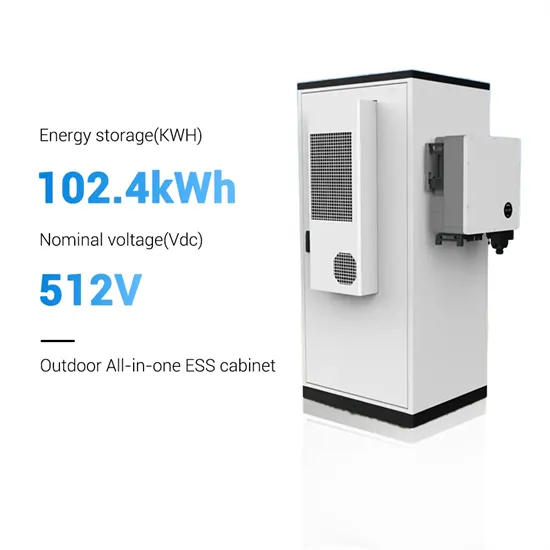
This 150 MW/300 MWh lithium-ion battery system isn"t just another infrastructure project—it"s like a giant "energy bank account" for Tajikistan"s capital, storing surplus power during low-demand periods and releasing it when needed most. . The International Energy Agency (IEA) predicts global energy storage capacity will grow by 56% annually through 2030. Projects like the Dushanbe facility address three urgent needs: Let's break down how this technology serves different sectors: 1. Grid Stabilization & Peak Shaving Utilities in. . The project contracted generation capacity size range from a minimum of 123MW to a maximum 124MW for 4 hours;. Who's Reading This? Let's Break It Down Think of this 200MW/800MWh system as. . plans regardingdistrict heating facilities located in Dushanbe,Ta ncies seeking to procure li es current business models and methods to participate in the energy market. It includes recommendations to authorities to facilitate a viable participation of storage syste s a substantial benefit tal and. . How energy storage power stations are being built? In terms of installed capacity,new energy storage power stations are now being built in a more centralized wayand large scale with longer storage duration period,said the administration. Will China build a new energy storage system? Technicians. .
[PDF Version]
-
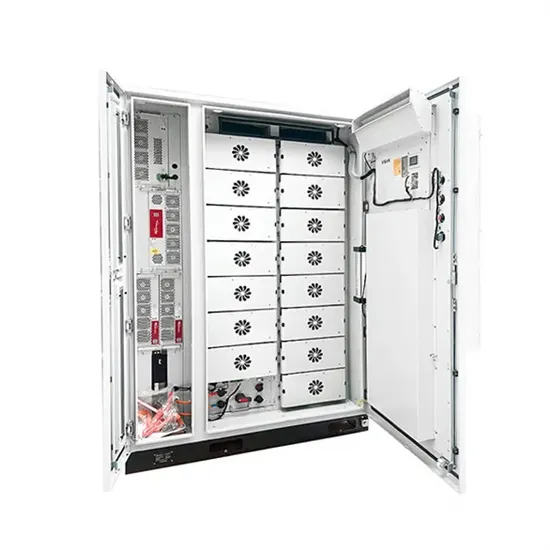
Poverty alleviation solar power generation project was stolen
To address this gap, this paper aims to reveal the status, collaborative networks, research hotspots, trends and challenges by conducting a scientometric analysis based on 468 academic publications. The results indicate that research on PV–PO has received widespread attention. . Wenbo Li, Jiaxin Huang, LingJing Kong, Dongzhen Liang; Impact of photovoltaic power generation on poverty alleviation in Jiangsu, China. Renewable Sustainable Energy 1 July 2024; 16 (4): 045902. 0208522 The photovoltaic poverty alleviation project, part of the “Ten. . However, limited research has systematically reviewed the progress in the field of solar photovoltaics and poverty (PV–PO). Here the authors show that solar photovoltaic poverty alleviation pilot policy increases per-capita disposable. . As a participant of a recent seminar on the Policy and Practice of Poverty Alleviation through Photovoltaic Projects for Developing Countries held in Lanzhou, China, I was eager to learn how renewable energy has been harnessed to reduce poverty, and how its experience could inform Africa's poverty. . Li Qin, Party secretary of Jieya, a village in Zigui county, pays a villager for cleaning photovoltaic panels in September 2017. LEI YONG/FOR CHINA DAILY A 'gold mine' "The villagers are growing morels and other plants such as Disylium racemosum (an evergreen shrub or tree)," said Cai, the State. .
[PDF Version]
-
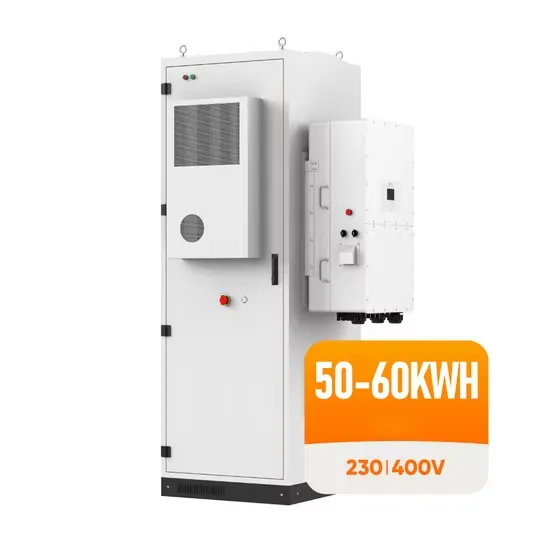
The latest solar power generation project specifications
The Federal Energy Management Program (FEMP) provides this tool to federal agencies seeking to procure solar photovoltaic (PV) systems with a customizable set of technical specifications. . Developers added 12 gigawatts (GW) of new utility-scale solar electric generating capacity in the United States during the first half of 2025, and they plan to add another 21 GW in the second half of the year, according to our latest survey of electric generating capacity changes. If those plans. . Visit the FEMA website for the latest information on Winter Storm Fern. The focus is on ground-mounted systems larger than 5M AC, including photovoltaic (PV) standalone and PV+battery hybrid projects (smaller projects are covered in Berkeley Lab's. . Globally, renewable power capacity is projected to increase almost 4 600 GW between 2025 and 2030 – double the deployment of the previous five years (2019-2024). Growth in utility-scale and distributed solar PV more than doubles, representing nearly 80% of worldwide renewable electricity capacity. . Solar photovoltaic (PV), which converts sunlight into electricity, is an important source of renewable energy in the 21st century. PV plant installations have increased rapidly, with around 1 terawatt (TW) of generating capacity installed as of 2022.
[PDF Version]
 MENU