
-
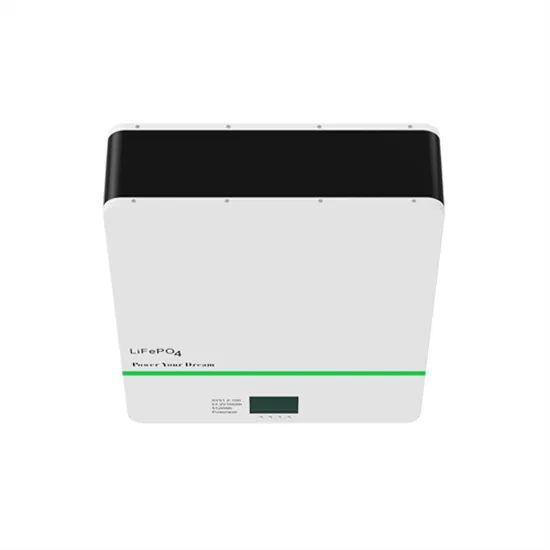
Solar panels connected to a 220V inverter
PV panels generate DC power and an inverter changes that into usable AC electricity. We will also explain the connection procedure for the charge controller and the battery. But most of our household appliances and electrical devices run on alternating current (AC). A 220v inverter is designed to output. . Solar panels, also known as photovoltaic (PV) panels, play a crucial role in capturing sunlight and converting it into usable electricity. First, you need to figure out how. .
[PDF Version]
-
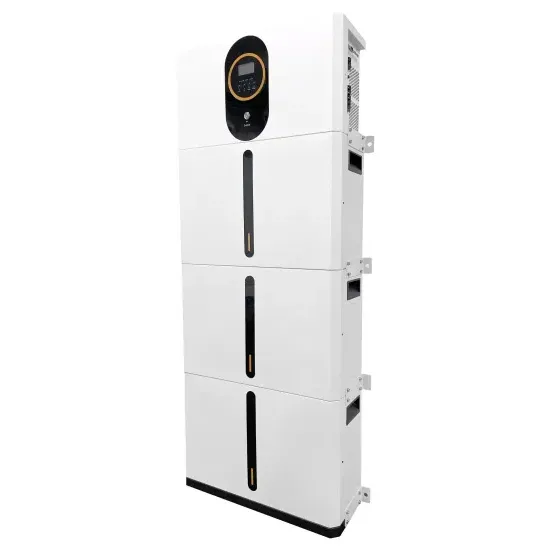
String inverter and solar panels
If you're new to solar energy systems, you might wonder what a string inverter is, why it's called so, or even how it works. So we'll start with the solar string inverter definition. After that, we will see how it'.
[PDF Version]
-
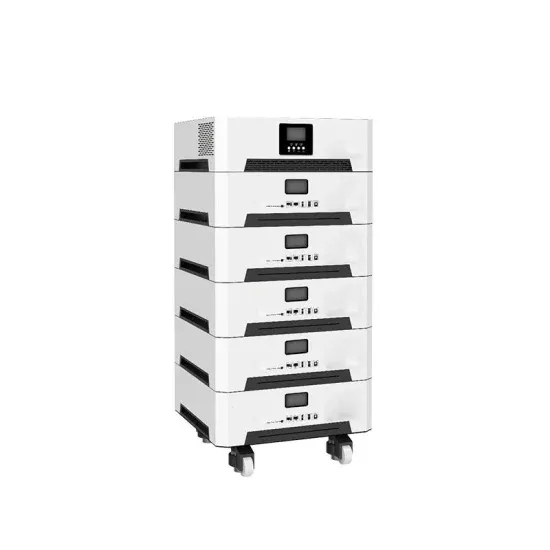
How to connect off-grid photovoltaic inverter solar panels
Learn to wire solar panels, connect them to batteries, and hook up inverters with this comprehensive guide. Video tutorials and detailed instructions provided. Charge controller to battery: Connect the charge controller to the battery using appropriately sized wires, matching positive and negative terminals, and ensuring proper. . Building an off-grid solar system gives you true energy independence. This guide provides a clear, step-by-step checklist for wiring your off-grid solar. .
[PDF Version]
-
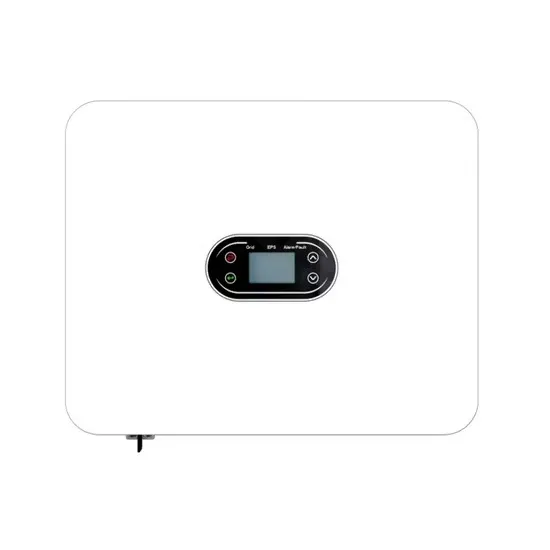
Inverter connected to photovoltaic panels diagram
A solar panel and inverter wiring diagram illustrates the connections and components needed to create a functional solar power system. The wiring process begins with the connection of the solar panels. . Solar panels are photovoltaic devices that generate electricity when exposed to sunlight, while inverters convert the direct current (DC) produced by the solar panels into alternating current (AC) that can be fed into the electrical grid or used to power appliances and devices directly. This component converts DC energy generated by solar panels into AC ener y at. . If you're installing your own solar power system in the comfort of your home, you've probably been faced with a decision about what necessary components to purchase and how to connect them. Proper wiring is crucial, both for proper function and for safe, reliable operation over the long term.
[PDF Version]
-
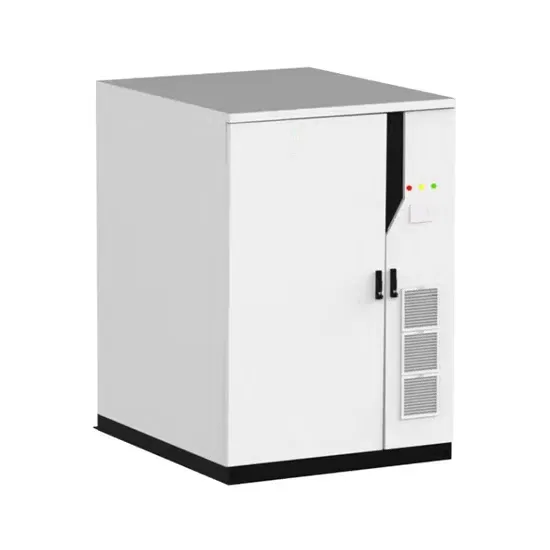
Wiring between photovoltaic panels and inverter
Wiring your solar array to an inverter is where precision and safety converge to define system performance. This guide provides a clear, actionable blueprint—from component selection and wire sizing to final commissioning—to ensure a robust, efficient, and safe solar. . Proper wiring is crucial, both for proper function and for safe, reliable operation over the long term. One wrong wire could mean energy loss, inverter failure or even damage to your solar system. Charge controller to battery: Connect the charge controller to the battery using appropriately sized wires, matching positive and negative terminals, and ensuring proper. . The type of inverter used for solar panels depends on how it is connected to them. Let's look at all of them one by one. Though many electrical and mechanical components are used while. .
[PDF Version]
-
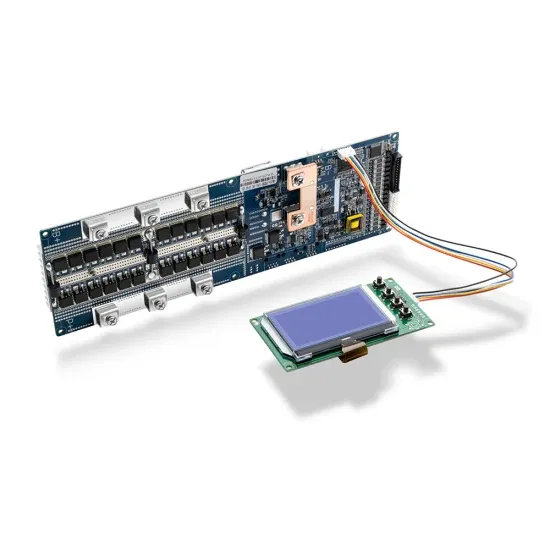
Solar panels built into the house
Whereas solar panels are attached to the home (most often rooftops), BIPVs are built into the house's vital exterior elements. . Complete Energy Independence is Achievable: Modern solar technology with 21-24% efficiency panels and advanced lithium-ion battery systems can provide 100% energy independence for most homes, even in challenging climates like Seattle where homeowners achieve 98% solar coverage. Dramatic Cost. . Solar projects are making it easier for Americans to choose solar energy to power their homes. The sun essentially provides an endless supply of energy.
[PDF Version]
 MENU