
-
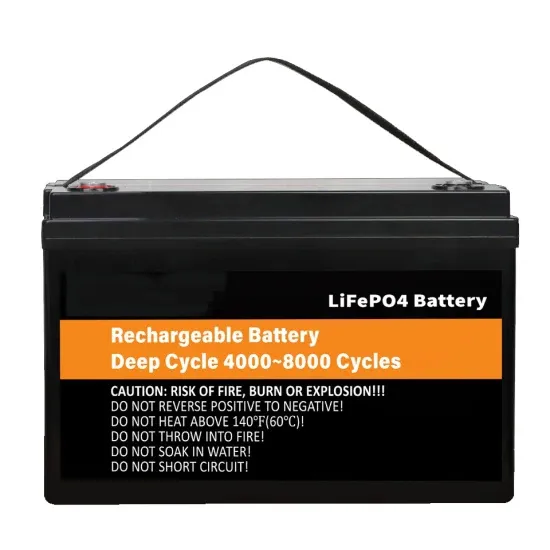
How many kilowatt-hours of power is enough for a portable mobile power bank
The right size depends on three simple things: what devices you want to power, how long you need them to run, and where you'll use the station. Most people need a 500-1000 watt-hour unit for camping and small emergencies, while home backup typically requires 1500-3000 watt-hours or. . With capacities ranging from 200Wh to over 5000Wh and power outputs from 300W to 4000W, the choices can be overwhelming. This guide will help you cut through the confusion and find the perfect size for your needs. i Solar charging efficiency is typically 70-80% due to heat, angle, and conversion losses. But with portable power stations ranging from under 100 watt-hours to over 2000 watt-hours, how do you know what size you need? In this blog post, we'll break down how to determine the right portable power station capacity. . Understanding watt-hours helps determine the right size for a portable power station. It measures how much power the device can supply over time. Understanding watt-hours can feel like cracking the code to the perfect. . From keeping your phone charged and lights on to powering coolers, laptops, drones, and even a blender, portable power stations are now the go-to choice for reliable, silent power at the campsite. .
[PDF Version]
-
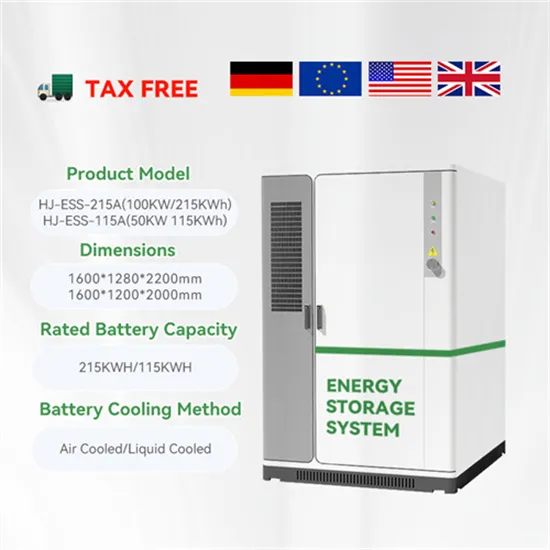
How much does a mobile energy storage power supply cost in mexico
According to Jorge Islas, Deputy Minister of Energy Planning and Transition, all new intermittent renewable energy plants will require 30% of their capacity in batteries, with the batteries capable of storing at least three hours of output. . With frequent power outages and rising electricity costs (up 18% since 2020), Mexican households are increasingly adopting energy storage systems. Think of it like having a giant power bank for your home - but smarter and more sustainable. Rising consumer awareness of power reliability and resilience is boosting sales. . Thanks to the country's geographical conditions, Mexico has great potential for solar and wind energy, which makes it an ideal candidate for the implementation of energy storage systems to help manage the intermittency of these sources. These systems range from 5kWh trailer-mounted units to 100kWh containerized power banks, serving: "Mobile storage acts like an "energy Swiss Army. .
[PDF Version]
-
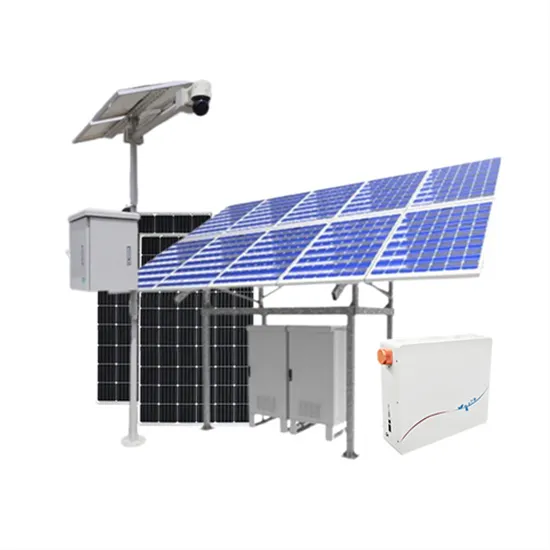
How does a solar power station work
Solar technologies convert sunlight into electrical energy either through photovoltaic (PV) panels or through mirrors that concentrate solar radiation. Below, you can find resources and information on the. . Solar power works by converting energy from the sun into power. These plants range from small rooftop installations to massive utility-scale solar energy power plants spread across acres of land. It's simple in principle, yet fascinating in application. Let's start with the basics: what is electricity, and where does it come from? Electricity is energy used to perform work, like running your. . How much energy does a solar panel produce? A typical solar panel produces about 400 watts in direct sunlight. Over one day, a solar panel produces about 2 kilowatt-hours (kWh) of energy.
[PDF Version]
-
How much loss does photovoltaic panel power generation cost
Overall, solar system losses, including power loss in solar panels account for approximately 26% of the power generated, so whatever we can do to improve output could have a substantial impact on running and payback costs. . Caution: Photovoltaic system performance predictions calculated by PVWatts ® include many inherent assumptions and uncertainties and do not reflect variations between PV technologies nor site-specific characteristics except as represented by PVWatts ® inputs. For example, PV modules with better. . The annual solar panel power loss depends on the specific inverter and the power level the solar panels are putting out, and can range from 2-10. Shading the. . Each year, the U. solar photovoltaic (PV) systems to develop cost benchmarks. This comprehensive guide explores the science behind solar panel degradation, providing practical formulas and expert tips to help you accurately. . Learn about different types of losses in photovoltaic systems and how to calculate them to improve the efficiency and longevity of your solar energy investment.
[PDF Version]
-
How much power does a single photovoltaic cell have
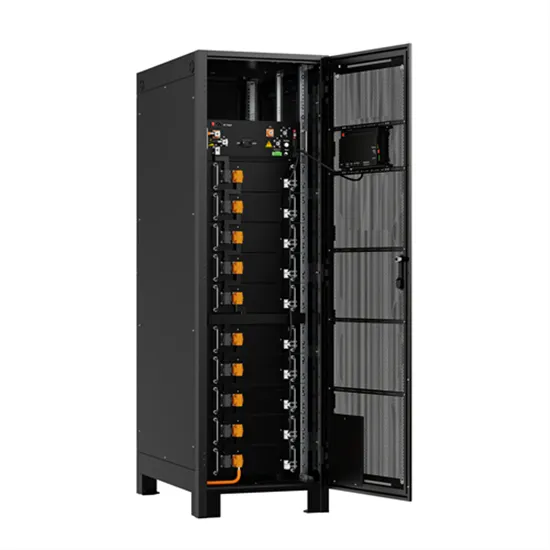
A single solar cell can produce up to 0. 7 watts of electric power when exposed to sunlight, making it crucial for designing an efficient solar energy system. Solar cells are the fundamental devices that convert solar energy into electrical energy, and their power output depends on factors such as. . A single PV device is known as a cell. Power Capacity of Solar Cells Commonly used solar cells today have: 2. the amount of sunlight exposure, and 4. This blog explores the factors that influence solar panel performance, provides calculations for estimating energy production, and explains how multiple panels can be combined to. .
[PDF Version]
-
How much is the power of a kilowatt outdoor power supply
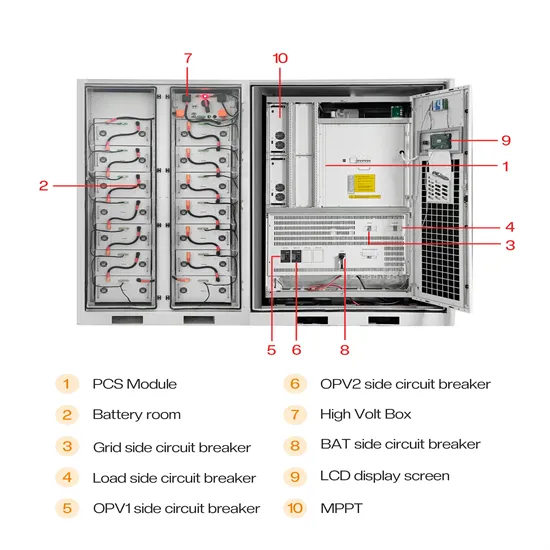
One kilowatt (kW) is equal to 1,000 watts. Both watts and kilowatts are SI units of power and are the most common units of power used. . Portable outdoor power stations have become essential for modern adventurers – but how much power is enough? Let's cut through the technical jargon. Factors Affecting Power Capacity, 3. Real-World Applications Outdoor energy storage power supplies demonstrate significant. . It's one kilowatt of power (1000 watts) used for one hour. To put this into perspective:. .
[PDF Version]
 MENU