
-
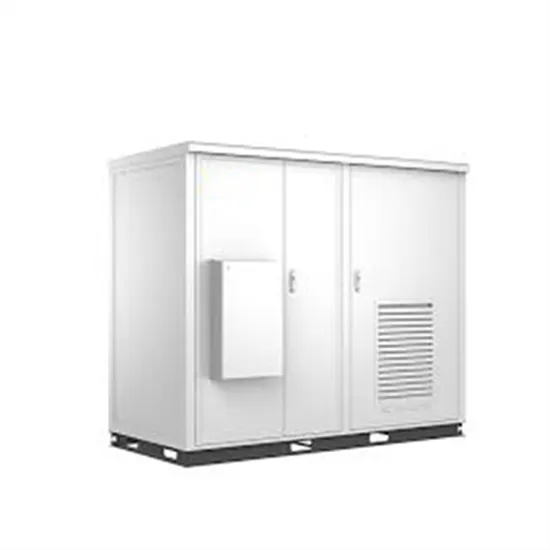
What equipment is used to charge solar battery cabinet lithium battery packs
To set up a reliable solar battery charger system for lithium battery packs, you need several essential components. To ensure optimal performance when charging with solar, it's important to maintain the. . Unlike conventional storage options, a lithium-ion battery charging cabinet is specifically engineered to protect against risks such as overheating, fire hazards, and chemical leaks. This guide explores core machinery, quality control tools, and emerging trends to optimize production. Whether you're setting up a new facility or upgrading existing lines, understanding these. . Protect your facility and your team with Securall's purpose-built Battery Charging Cabinets —engineered for the safe storage and charging of lithium-ion, lead-acid, and other rechargeable batteries. Securall understands the critical risks associated with modern energy storage.
[PDF Version]
-
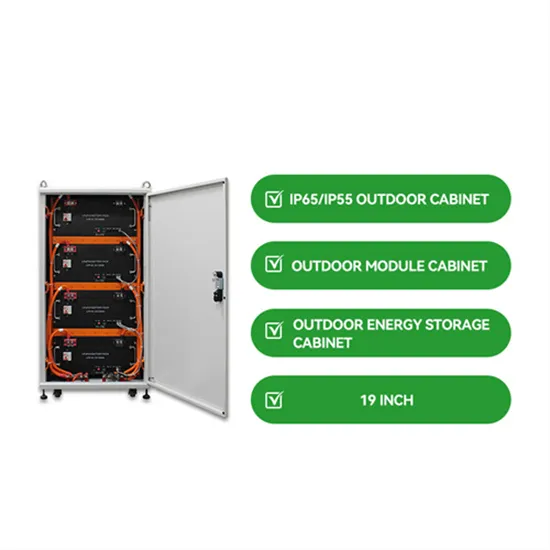
What does Huawei solar container lithium battery pack mean
Huawei's home power storage solution operates by utilizing advanced lithium-ion battery technology to store excess energy generated from renewable sources like solar panels. During periods of high energy production, such as sunny days, the system stores the surplus energy for later. . With Huawei Smart String Energy Storage System, you can power your life by green power storage and be astonished by its admirable performance. The built-in optimizer. . Inside Huawei s energy storage battery conta ing from backup power to energy storage syst, offering 6. Through open collaboration with e osystem organizations of all. . When sunlight becomes electricity through photovoltaic panels, the real challenge begins: storing that energy efficiently. The maximum humidity level for wall battery storage typically. .
[PDF Version]
-
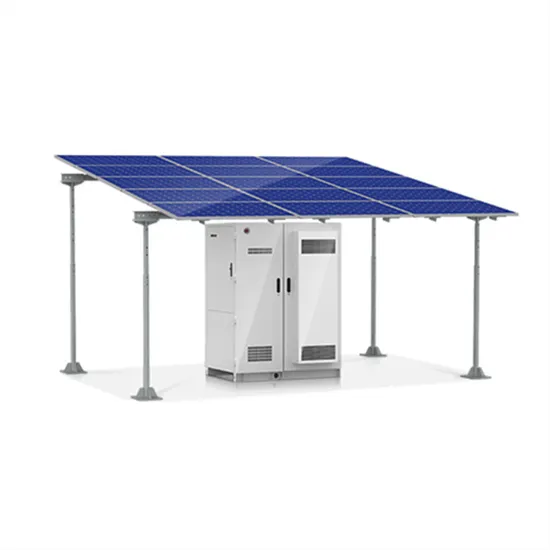
How many watts does the solar battery cabinet lithium battery pack output
The powerful lithium batteries installed in the pre-wired cabinet provide power for critical loads, load sharing during night hours, or when grid power is at peak rates. STORAGE: Combined, these two batteries create a 230VDC 192 AH battery bank that stores an impressive 44,228. . The AIMS Power Pure Sine Hybrid Inverter's simple but comprehensive design eliminates the need for extra equipment, providing an efficient solution for users interested in off grid battery backup, net metering, and load sharing all in one product. KIT: This kit includes 1 AIMS Power PIHY9600 9. 6 kW. . and smart product. Integrated power co trol systems (PCS). Works with select Generac standby generators and ecobe ro a ze kup �F ( 20. . Recycled cardboard content is minimum 70% (50% in US). Some products are eligible in some geographies, please verify if it's available in your country. Oversized and budget sit in idle capacity.
[PDF Version]
-
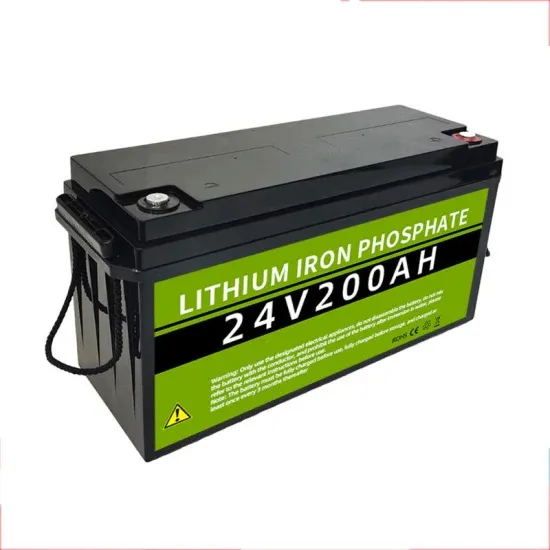
Can a 10V solar panel charge a 4V battery
Yes, you can charge a battery directly from a solar panel, but the process requires specific equipment and conditions to ensure safety and efficiency. Solar panels produce DC (direct current) electricity, which is compatible with most battery types. . Understanding Solar Components: Key components in solar charging include solar panels, charge controllers, batteries, and inverters, each playing a crucial role in efficiently harvesting and managing solar energy. Batteries are the heart of any solar system, storing sunshine during the day, so you can use that power whenever you need it. However, this method might not be the most efficient or safe way to achieve optimal battery performance. Without a regulator, on sunny days, the solar panel might generate more energy than your battery could. . Guy Gabay is a Solar Energy Contractor and the CEO of AmeriGreen Builders, a full-service solar energy, roofing, HVAC and window installation company based in the greater Los Angeles, California region.
[PDF Version]
-
What is the lithium battery of the solar lithium battery station cabinet
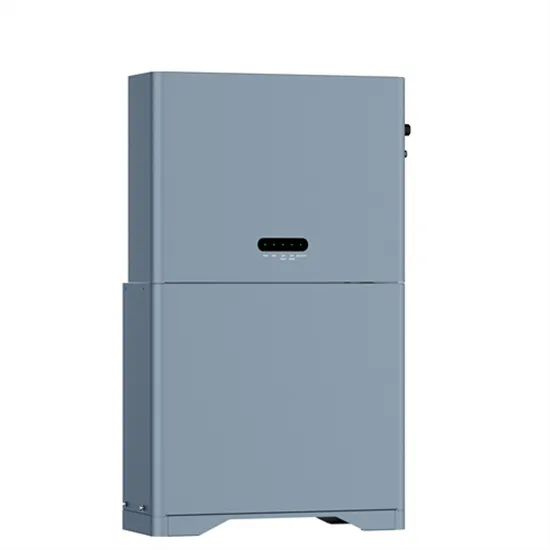
It combines different power inputs (small wind turbines, solar PV panels, and AC/DC rectifier) with an internal lithium-ion battery for backup, network connectivity, and continuous power for communication equipment. . A lithium ion solar battery is a specialized type of rechargeable battery designed to store energy harnessed from solar panels. These batteries utilize lithium-ion technology, which involves the movement of lithium ions between the anode and cathode to store and release energy. This article delves into the science behind lithium-ion batteries, their advantages over traditional storage solutions, and key considerations for optimizing. . Internal lithium battery bank provides stable backup power for uninterrupted operation of the connected equipment. ) for power management flexibility.
[PDF Version]
-
Charge and discharge times of energy storage solar energy storage cabinet lithium battery
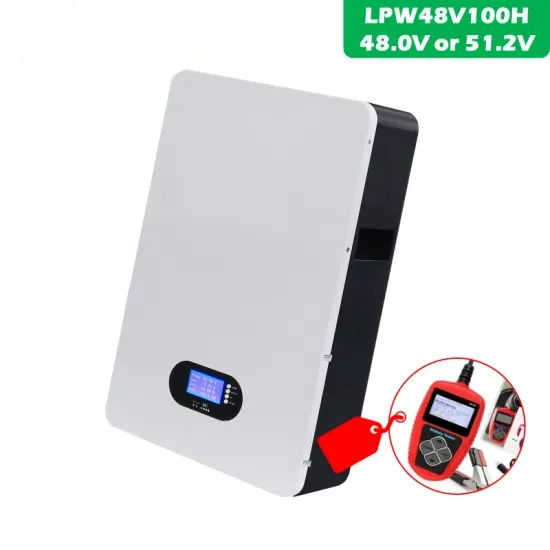
Imagine your solar farm's storage system taking twice as long to recharge on cloudy days. Frustrating, right? Faster lithium battery charging times enable: "The sweet spot for commercial storage systems? Most operators aim for 2-4 hour charge cycles to balance speed and battery. . Summary: Understanding battery capacity and discharge time is critical for industries like renewable energy, transportation, and industrial power management. This article explores technical insights, real-world applications, and future trends to help businesses make informed decisions about energy. . The proposed method is based on actual battery charge and discharge metered data to be collected from BESS systems provided by federal agencies participating in the FEMP's performance assessment initiatives., at least one year) time series (e. Discharging begins when those batteries release stored energy to. . Battery energy storage systems (BESSs) play an important part in creating a compelling next-generation electrical infrastructure that encompasses microgrids, distributed energy resources (DERs), DC fast charging, Buildings as a Grid and backup power free of fossil fuels for buildings and data. . Lithium battery energy storage cabinets are revolutionizing how industries manage power. From renewable energy systems to industrial backup solutions, optimizing charging times directly impacts operational efficiency and cost savings.
[PDF Version]
 MENU