
-
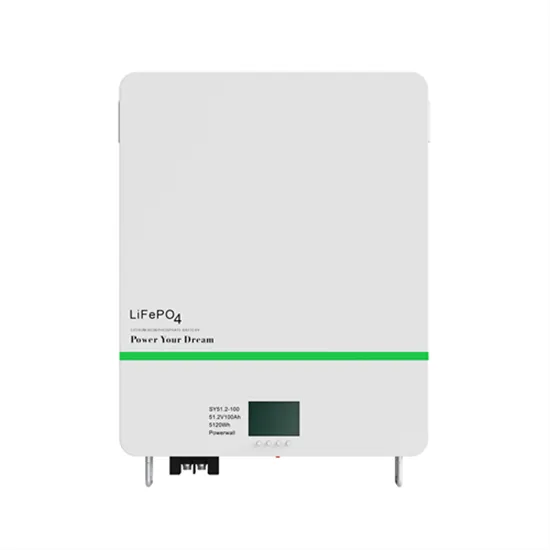
The internal structure of the Botswana solar container lithium battery pack
The battery rack consists of the required number of modules, the Battery Management Unit (BMU), a breaker and other components. What are the characteristics of a lithium. . The content covers cell format selection, series and parallel configuration design, battery management system implementation, and safety compliance requirements. This integrated system powers everything from electric vehicles to renewable energy storage. . Madagascar's newest solar farm near Antananarivo uses 12 interconnected containers to store 8 MWh daily – enough to power 1,200 homes during blackouts. "Our hybrid system reduced diesel consumption by 67% at Jwaneng. . What is a containerized energy storage system?The Containerized energy storage system refers to large lithium energy storage systems installed in sturdy, portable shipping containers, which usually range from 5ft, 10ft, 20ft, and 40ft, and mainly focus on 50Kwh to 10Mwh.
[PDF Version]
-
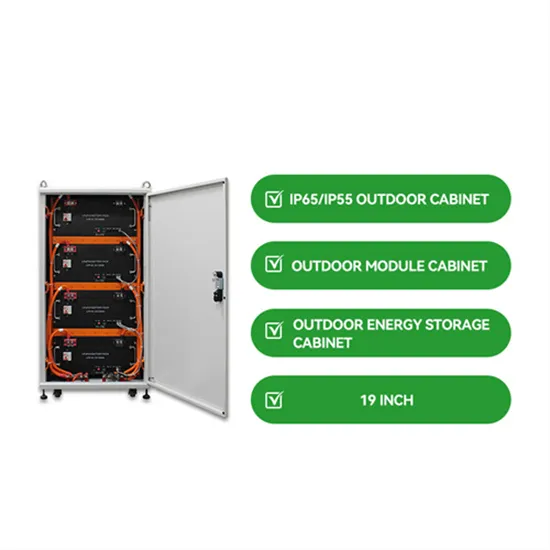
What does Huawei solar container lithium battery pack mean
Huawei's home power storage solution operates by utilizing advanced lithium-ion battery technology to store excess energy generated from renewable sources like solar panels. During periods of high energy production, such as sunny days, the system stores the surplus energy for later. . With Huawei Smart String Energy Storage System, you can power your life by green power storage and be astonished by its admirable performance. The built-in optimizer. . Inside Huawei s energy storage battery conta ing from backup power to energy storage syst, offering 6. Through open collaboration with e osystem organizations of all. . When sunlight becomes electricity through photovoltaic panels, the real challenge begins: storing that energy efficiently. The maximum humidity level for wall battery storage typically. .
[PDF Version]
-
Internal structure diagram of energy storage lithium battery
A lithium-ion battery diagram visually breaks down the core components and electrochemical processes of these ubiquitous energy storage devices. It typically highlights the anode (graphite), cathode (lithium metal oxide), separator, electrolyte, and current collectors. Cathode active materials are the source of lithium-ions and anode active materials host lithium-ions during the charged state.
[PDF Version]
-
What is the discharge current of a 24v lithium battery pack
A 24V 50Ah lithium battery means that the battery can theoretically supply a current of 50 amperes for one hour at a voltage of 24 volts. However, this is an idealized value, and in reality, the actual capacity that can be delivered depends on several factors, including the discharge. . A full charge for a LiFePO4 24V battery means reaching its maximum safe voltage level, typically around 28. 65 volts per cell for 8 cells in series). DEESPAEK recommends using compatible charging systems and Battery Management Systems (BMS) to ensure optimal charging, safety, and. . Charging Voltage: The recommended charging voltage for a 24V LiFePO4 battery is typically around 29. Overcharging beyond this voltage can lead to decreased battery life and potential safety hazards.
[PDF Version]
-
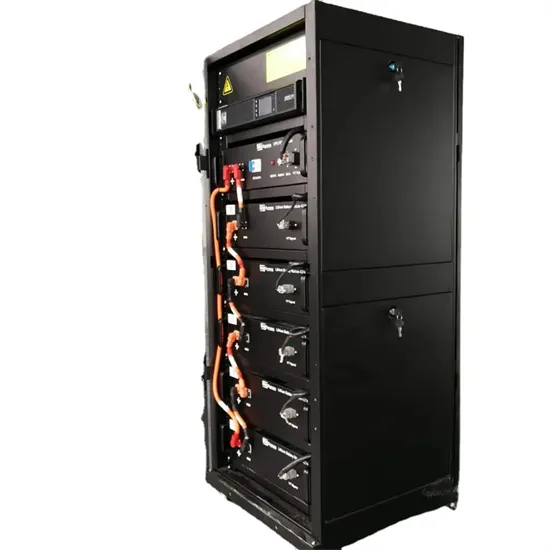
Polish Energy Lithium Iron Phosphate Battery Pack
Building a LiFePO4 battery pack involves several key steps. It is to ensure safety, efficiency, and reliability. Arrange the cells in a series or. . Because of their low cost, high safety, low toxicity, long cycle life and other factors, LFP batteries are finding a number of roles in vehicle use, utility-scale stationary applications, and backup power. [8] As of September 2022, LFP type battery market share. . LiFePO4 batteries offer exceptional value despite higher upfront costs: With 3,000-8,000+ cycle life compared to 300-500 cycles for lead-acid batteries, LiFePO4 systems provide significantly lower total cost of ownership over their lifespan, often saving $19,000+ over 20 years compared to. . In the dynamic landscape of energy storage technologies, lithium - iron - phosphate (LiFePO₄) battery packs have emerged as a game - changing solution. These battery packs are widely recognized for their unique combination of safety, performance, and longevity, making them suitable for an extensive. . Lithium iron phosphate (LiFePO4) battery packs are a type of rechargeable battery known for their safety, longevity, and environmental friendliness. They operate by transferring lithium ions between electrodes during charging and discharging. This comprehensive guide aims to. .
[PDF Version]
-
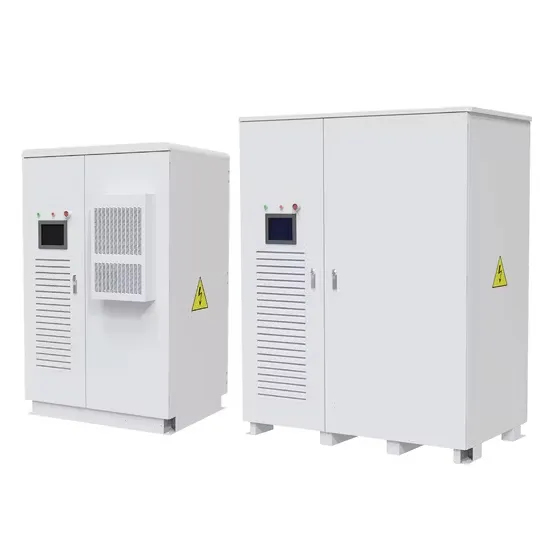
What does 1c discharge of a solar container lithium battery mean
When you see a battery c rating such as 1C, it means the battery can deliver its full capacity in one hour. . The C rate is a very important figure in lithium battery specifications, it is a unit used to measure the rate at which a battery is charged or discharged, also known as the charge/discharge multiplier. In other words, it reflects the relationship between the discharging and charging speed of. . What exactly does the 1C rate mean for your solar or UPS lithium or flooded battery? 💡 In this quick guide, we break down the crucial concept of 1C charge and 1C discharge. For LiFePO4 batteries, this rate is typically expressed in terms of C-rate, where 1C represents a discharge rate that depletes the battery in one hour, and 3C represents a discharge rate that depletes it in one-third. . The charge and discharge rate of a battery—commonly referred to as the C-rate (C rate) —is one of the most critical parameters in battery selection, system design, and long-term reliability planning. High c-rate values enable faster charging but can increase heat and reduce lifespan.
[PDF Version]
 MENU