
-
What is the name of the dismantled photovoltaic panels
When photovoltaic (PV) modules reach their 25-30 year lifespan, they become what industry insiders call end-of-life (EOL) solar panels or more technically, decommissioned PV systems. But here's the kicker – over 90 million metric tons of these dismantled panels could flood landfills by 2050 if we. . What is Solar Decommissioning and Panel Dismantling? Solar panel decommissioning involves removing PV panels and all associated components from a site and restoring the area to its original state. Skid steers are used to collect large quantities of panels that are stacked in uniform for removal. After this time, their efficiency drops significantly. Damage: Panels may be damaged by extreme weather conditions, such as hail, strong wind, or. . With over 78 million metric tons of solar panel waste projected by 2050 (International Renewable Energy Agency), figuring out how to use dismantled photovoltaic panels isn't just smart - it's becoming essential.
[PDF Version]
-
What is the name of the photovoltaic bracket project
Let's cut through the solar industry jargon - when we talk about the Chint Photovoltaic Bracket Project, we're essentially discussing the backbone of modern solar installations. Imagine trying to build a skyscraper without steel beams. Photovoltaic brackets are divided into fixed brackets and tracking brackets. Tracking the bracket requires the bracket to be like a sunflower, with the. . What are the photovoltaic bracket foundations? What are the photovoltaic bracket foundations? The role of photovoltaic brackets in photovoltaic systems is to support and fix photovoltaic modules to ensure that they can stably receive sunlight and convert it into electrical energy. At the same time. . How MEG Technology is Shaping the Future of Photovoltaics and Solar Racking S. A PV bracket is a support structure that arranges and fixes the spacing of PV modules in a certain orientation and angle according to the specific geographic location, climate, and solar resource conditions of the PV. . Access detailed insights on the Photovoltaic Bracket Market, forecasted to rise from USD 4. 2 billion by 2033, at a CAGR of 8.
[PDF Version]
-
What is the device at the bottom of the photovoltaic panel
A PV optimizer is a small device that attaches to the back of each panel. The optimizer isolates the output of each panel, allowing it to produce power (and report back to your monitoring system) independently from the rest of the panels in your array. . At the heart are photovoltaic (PV) cells that convert sunlight into electricity, supported by protective and structural layers that ensure it's delivered safely and reliably. Most panels include solar cells, tempered glass, encapsulant, a backsheet, a metal frame, an inverter, and a junction box. They are an increasingly popular and affordable source of renewable energy that continues to grow in relevance throughout the United States. The electricity that a solar system generates needs to be converted into a usable. . Solar panels are not a single functional element, but modules composed of multiple structural units.
[PDF Version]
-
What is a mobile solar container energy storage system
The Mobile Solar PV Container is a portable, containerized solar power system designed for easy transportation and deployment. These turnkey solutions integrate solar panels, inverters, batteries, charge controllers, and monitoring systems into a single transportable unit that. . A mobile solar container can provide clean, off-grid power to remote locations, construction camps, island resorts, and field operations. The systems are expanding in application where diesel delivery is not feasible, and grid access does not exist. Especially in remote areas it can guarantee a stable energy supply or support or almost replace a public grid with strong power fluctuations, as well as diesel. . As global demand rises for clean, mobile, and resilient energy, one innovation is standing out: the mobile solar container.
[PDF Version]
-
What are the small mobile solar telecom integrated cabinets
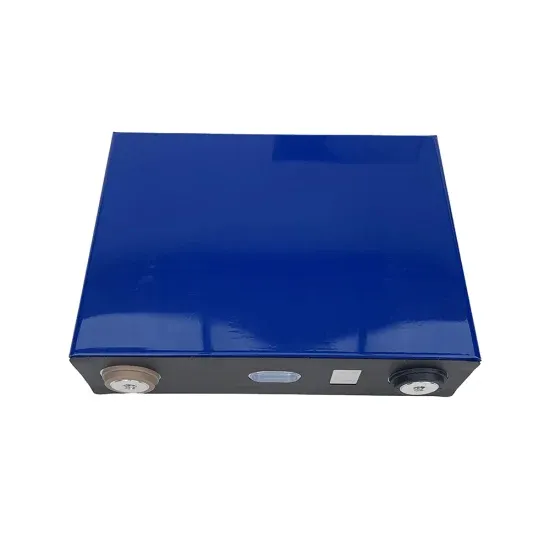
Designed for remote locations, it integrates solar controllers, inverters, and lithium battery packs to ensure stable and continuous power for telecom equipment, surveillance systems, and off-grid applications. Its modular design supports easy expansion and remote monitoring for. . Solar telecom battery cabinets are changing how we power communication systems. They provide steady and eco-friendly energy options. Designed for telecom, security, industrial, and grid backup, these rugged systems provide continuous, unattended power where trailers or. . The Photovoltaic Micro-Station Energy Cabinet is a hybrid power compact solution for remote energy and outdoor telecom sites. Engineered for efficiency and flexibility, these cabinets are ideal for telecom. . A single factory-built cabinet provides simple, clean, trouble-free installations.
[PDF Version]
-
What are the wind power of mobile cellular communication base stations
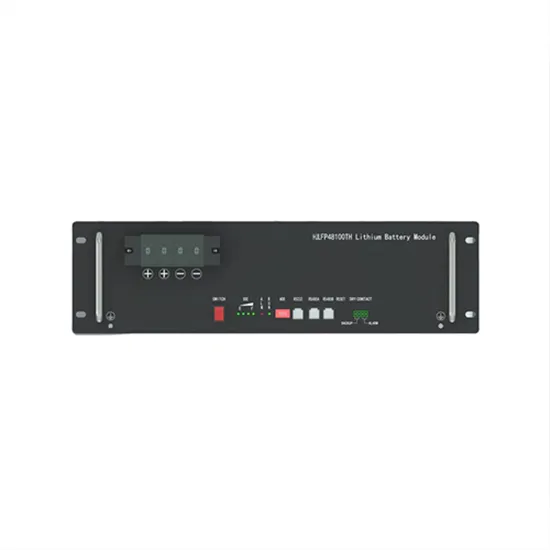
Hybrid energy solutions enable telecom base stations to run primarily on renewable energy sources, like solar and wind, with the diesel generator as a last resort. This reduces emissions, aligns with sustainability goals, and even opens up opportunities for carbon credits. . 5G base stations (BSs), which are the essential parts of the 5G network, are important user-side flexible resources in demand response (DR) for electric power system. Improved Model of Base Station Power System for the.
[PDF Version]
 MENU