
-
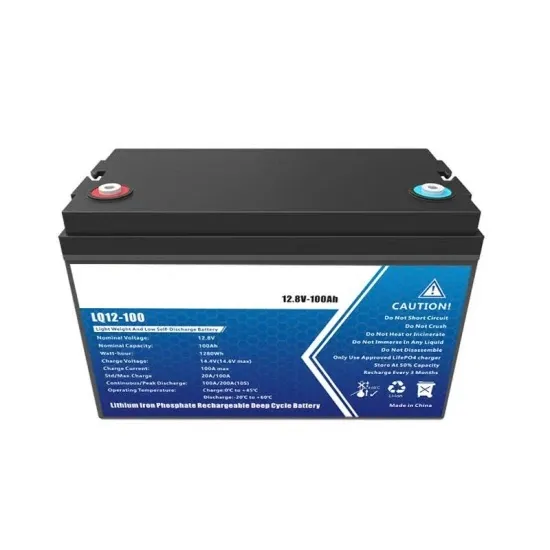
What is photovoltaic wind power and hydrogen energy storage
These projects integrate multiple renewable energy sources such as solar, wind, battery energy storage, and hydrogen production to create a resilient and efficient energy system. Generation capacity has grown rapidly in recent years, driven by policy support and sharp cost reductions for solar photovoltaics and. . The AES Lawai Solar Project in Kauai, Hawaii has a 100 megawatt-hour battery energy storage system paired with a solar photovoltaic system. Sometimes two is better than one. Energy storage systems (ESSs) have become an emerging area of renewed interest as a critical factor in renewable energy systems.
[PDF Version]
-
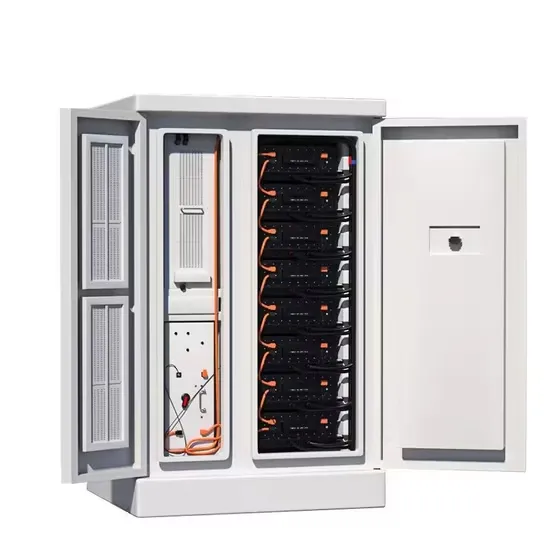
What batteries are used in energy storage cabinet
What batteries are used in energy storage cabinets? Energy storage cabinets utilize various types of batteries, including 1. Nickel-cadmium batteries, 4. ” In modern commercial and industrial (C&I) projects, it is a full energy asset —designed to reduce electricity costs, protect critical loads, increase PV self-consumption, support microgrids, and even earn. . Summary: Energy storage battery cabinets are revolutionizing industries like renewable energy, grid management, and transportation. This article explores their core functions, real-world applications, and how they address modern energy challenges. Discover why businesses worldwide are adopting this. . The GSL Wheeled LiFePO4 Battery Series is designed for projects that require true mobility, flexible deployment, and scalable energy capacity without complex installation. In the event of a power disruption or outage,the UPS system ensures that your devices continue to operate from the ene gy stored in the batteries in the battery cabinet. 6 kWh-parallel up to 5 uct. .
[PDF Version]
-
What are the components of the communication base station battery energy storage system
The core hardware of a communication base station energy storage lithium battery system includes lithium-ion cells, battery management systems (BMS), inverters, and thermal management components. . ers lay out low-voltage power distribution and conversion for a b de ion – and energy and assets monitoring – for a utility-scale battery energy storage system entation to perform the necessary actions to adapt this reference design for the project requirements. ABB can provide support during all. . Lithium batteries have emerged as a key component in ensuring uninterrupted connectivity, especially in remote or off-grid locations. These batteries store energy, support load balancing, and enhance the resilience of communication infrastructure. Although there are several battery technologies in use and development today (such as lead-acid and flow batteries), the majority of large-scale electricity. . The battery is a crucial component within the BESS; it stores the energy ready to be dispatched when needed.
[PDF Version]
-
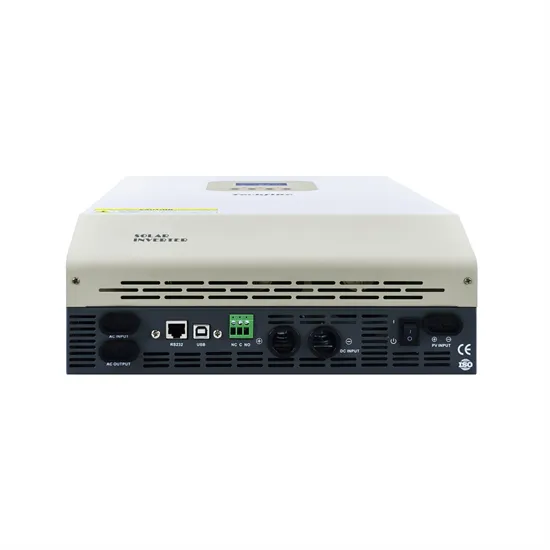
What brands of solar cabinet energy storage system power stations are there
Compare the top 5 solar energy storage system manufacturers for 2026, including VLAND, Tesla, LG, Sungrow, and BYD. Discover key differences in technology, integration, and solutions for home and industrial energy storage systems. This ESS Buyer's Guide is a comprehensive list of what each brand is offering in the residential and C&I space heading into 2025. We sent a questionnaire to every manufacturer to ascertain their top product. . Note: The market for energy storage systems was estimated to be worth US$ 210. 92 billion in 2021 and is projected to reach US$ 435. From 2022 to 2030, the market will likely develop at a compound annual growth rate of 8. CATL has secured a dominant position in the PVBL 2025 Global Photovoltaic Brand Ranking of the Energy Storage Top 20, leveraging its expertise in the research and development (R&D) and. . Including Tesla, GE and Enphase, this week's Top 10 runs through the leading energy storage companies around the world that are revolutionising the space Whether it be energy that powers smartphones or even fuelling entire cities, energy storage solutions support infrastructure that acts as a. . From cutting-edge technologies to seamless integration with existing systems, These ten home energy storage manufacturers are driving the transition towards cleaner, more efficient energy solutions.
[PDF Version]
-
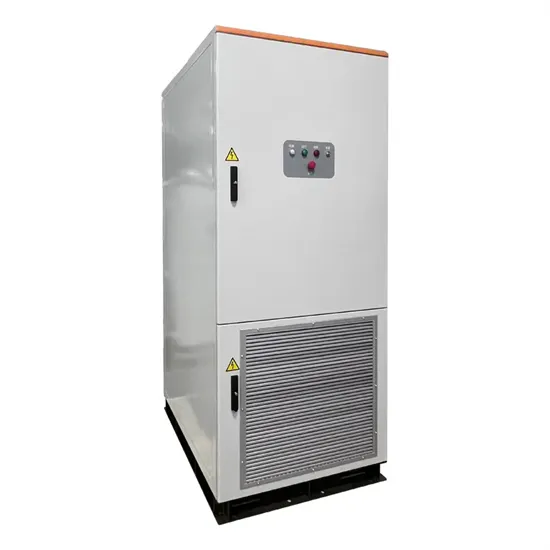
What are the types of factory energy storage batteries
The main types of energy storage systems are lithium-ion batteries, flywheels, and thermal energy storage. Each provides unique advantages for optimizing energy efficiency. Choosing the right battery depends on factors such as capacity, durability, and maintenance needs. As the world shifts towards cleaner, renewable energy solutions, Battery Energy Storage Systems (BESS) are becoming an integral part of the. . Industrial battery storage systems allow facilities to store energy during off-peak hours and discharge it during high-demand periods, effectively flattening the load curve and reducing monthly electricity bills. A short outage or. . This guide explains Energy Storage Batteries from technology types to real-world applications, compares Lithium-ion Batteries for Energy Storage with other options, and breaks down Battery Storage Cost, lifespan, and ROI to help you make informed decisions for homes, businesses, and grid-scale. . Energy storage batteries (lithium iron phosphate batteries) are at the core of modern battery energy storage systems, enabling the storage and use of electricity anytime, day or night.
[PDF Version]
-
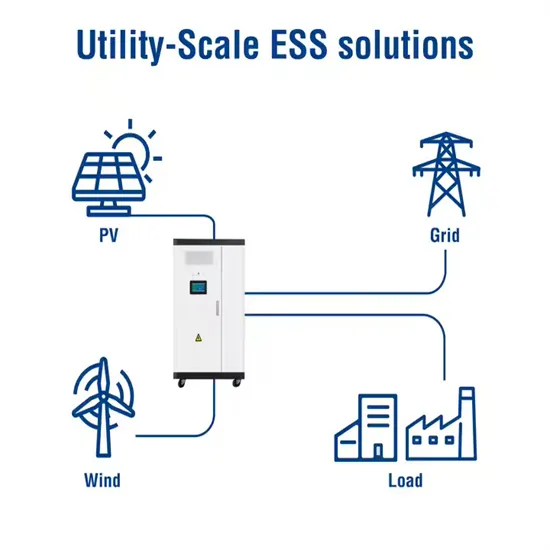
What is the appropriate service life of the energy storage cabinet
Let's cut to the chase: most power storage cabinets last between 8 to 15 years. Maybe you're even that person who really wants to power their backyard DIY project without tripping the circuit. . Energy storage cabinets are essential devices designed for storing and managing electrical energy across various applications. As we advance towards integrating more renewable energy sources, the. . HJ-G0-6250L 6. 25MWh Energy Storage Container System, with the advantages of large capacity, high security and long service life, is suitable for a variety of application scenarios, providing a reliable guarantee for energy storage and management. Note: Specifications are subject to change without. . This article is a comprehensive, engineering-grade explanation of BESS cabinets: what they are, how they work, what's inside (including HV BOX), how to size them for different applications (not only arbitrage), and how to choose between All-in-One vs battery-only, as well as DC-coupled vs. . ess to the battery energy storage system f are the safety requirements for electrical energy s ment, relocation and loading reused batt ent (PCE), battery system(s) and isolation and protection devices.
[PDF Version]
 MENU