
-
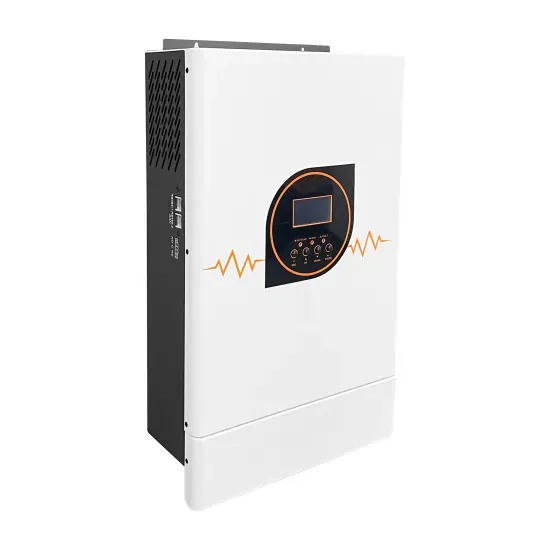
What are the appearance characteristics of energy storage products
A well-designed system isn't just about storing energy – it's about blending reliability with user-friendly interfaces, compact footprints, and compliance with international standards. Modular Architecture: Like building blocks, modular designs allow easy scalability. how it looks? Surprisingly, appearance and structure play pivotal roles in today's competitive market. Significant performance parameters are described, such as energy density, power density, cycle efficiency, cycle life, charge/discharge. . As the global energy demand grows and the push for renewable sources intensifies, energy storage systems (ESS) have become crucial in balancing supply and demand, enhancing energy security, and increasing the efficiency of power systems. But hold on! The audience for this topic isn't just engineers in hard hats. The global energy storage market is projected to reach $ 435 billion by 2030, yet 68% of consumers still associate these systems with clunky metal boxes.
[PDF Version]
-
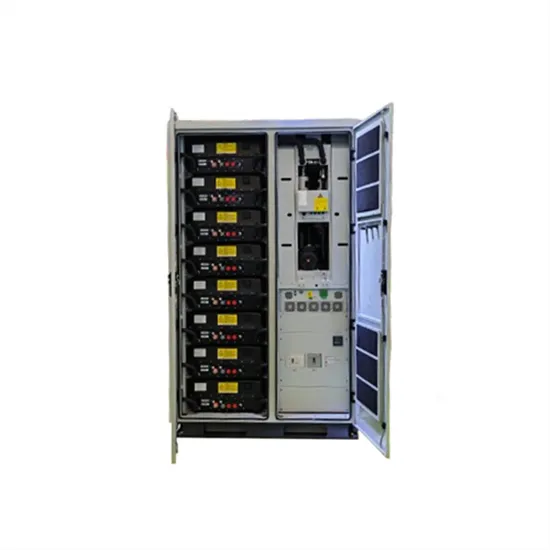
What are the benefits of Liechtenstein s energy storage solars
Liechtenstein, a small but ambitious European nation, has set aggressive climate goals, including reducing CO2 emissions by 40% by 2030. With limited land for large-scale solar farms, photovoltaic energy storage systems are critical to maximizing renewable energy. . Summary: Liechtenstein is embracing solar energy storage solutions to achieve energy independence. Energy storage is the only grid technology t at can both store and disc the UK's largest, with 1 GWh capacity. The UK needs 5 TWh of stor ge to support renewable-energy targets. (Courtesy: InterGen) On 16 September 1910 the Canadian inventor Reginald A. . What are the benefits of smart grids? For grid operators and utilities, smart grids come with legions of benefits.
[PDF Version]
-
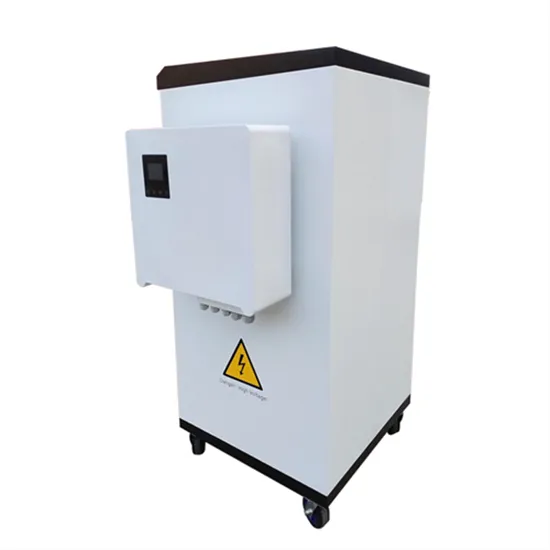
What is astana energy storage equipment
Discover how lithium battery technology is transforming energy storage in Astana, Kazakhstan – and why it matters for renewable energy integration. Think of. . power plants showing 70-90% wear and tear. This includes critical facilities such as combined heat power (CHP) and state district power plants (GTPP), which h n a major modernization initiative by 2029. According to an analytical piece by Kazinform, the initiative will address aging. . The global solar storage container market is experiencing explosive growth, with demand increasing by over 200% in the past two years. Pre-fabricated containerized solutions now account for approximately 35% of all new utility-scale storage deployments worldwide. North America leads with 40% market. .
[PDF Version]
-
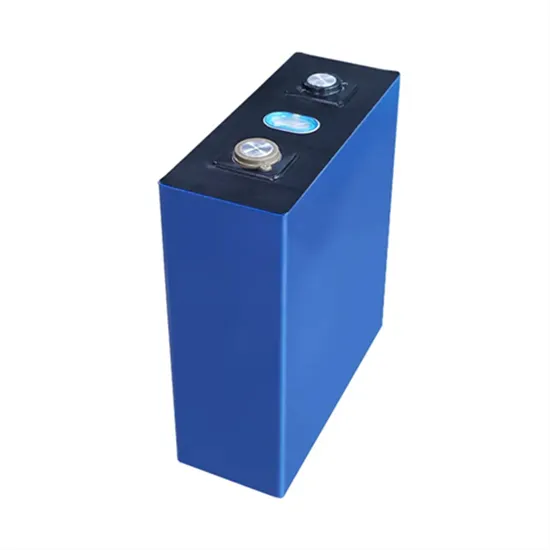
What are the functions of the solar container energy storage system of solar power stations
It serves as a rechargeable battery system capable of storing large amounts of energy generated from renewable sources like wind or solar power, as well as from the grid during low-demand periods. When needed, this stored energy can be discharged to provide a dependable electricity. . A solar power container is a self-contained, portable energy generation system housed within a standardized shipping container or custom enclosure. These turnkey solutions integrate solar panels, inverters, batteries, charge controllers, and monitoring systems into a single transportable unit that. . As the need for decentralized, mobile, and clean energy increases, solar containers are emerging as a promising and scalable solution. But what use are solar containers in real-world energy conversions? Deployed for disaster relief or rural electrification, these containers are revolutionizing the. . Energy storage system: Discover the importance of batteries in storing excess solar energy for uninterrupted power supply.
[PDF Version]
-
What is the use of the comprehensive efficiency of energy storage equipment
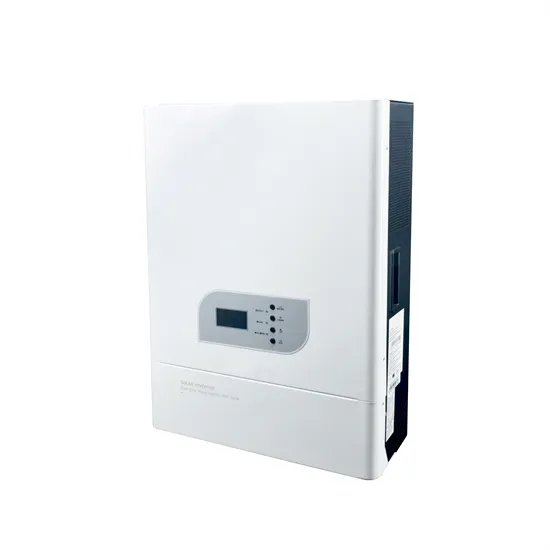
Chemical Energy Storage systems, including hydrogen storage and power-to-fuel strategies, enable long-term energy retention and efficient use, while thermal energy storage technologies facilitate waste heat recovery and grid stability. Energy storage systems are crucial for enhancing energy efficiency in various applications, including renewable integration, grid stability, and peak shaving. The efficiency of energy storage systems typically ranges between 70% and 90%. . Home Energy Storage Systems (HESS) are batteries and associated electronics installed in residential buildings for the purpose of storing energy. This report explores the current status of HESS energy efficiency, identifies current standards available to test HESS energy efficiency performance. . As the global energy demand grows and the push for renewable sources intensifies, energy storage systems (ESS) have become crucial in balancing supply and demand, enhancing energy security, and increasing the efficiency of power systems. The central challenge of electricity is that it must be generated and consumed almost instantaneously, meaning any mismatch between supply and demand. .
[PDF Version]
-
What is the appropriate service life of the energy storage cabinet
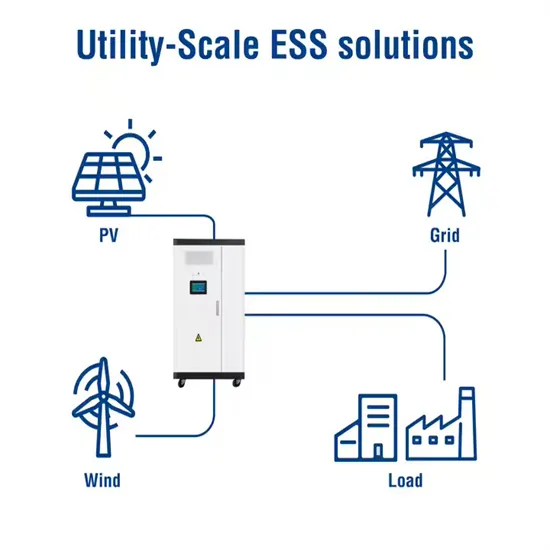
Let's cut to the chase: most power storage cabinets last between 8 to 15 years. Maybe you're even that person who really wants to power their backyard DIY project without tripping the circuit. . Energy storage cabinets are essential devices designed for storing and managing electrical energy across various applications. As we advance towards integrating more renewable energy sources, the. . HJ-G0-6250L 6. 25MWh Energy Storage Container System, with the advantages of large capacity, high security and long service life, is suitable for a variety of application scenarios, providing a reliable guarantee for energy storage and management. Note: Specifications are subject to change without. . This article is a comprehensive, engineering-grade explanation of BESS cabinets: what they are, how they work, what's inside (including HV BOX), how to size them for different applications (not only arbitrage), and how to choose between All-in-One vs battery-only, as well as DC-coupled vs. . ess to the battery energy storage system f are the safety requirements for electrical energy s ment, relocation and loading reused batt ent (PCE), battery system(s) and isolation and protection devices.
[PDF Version]
 MENU