
-
What are the new solar energy storage systems
Discover the future of solar energy with our in-depth look at the latest storage technologies, from lithium-ion batteries to smart grids and thermal systems. . From iron-air batteries to molten salt storage, a new wave of energy storage innovation is unlocking long-duration, low-cost resilience for tomorrow's grid. In response to rising demand and the challenges renewables have added to grid balancing efforts, the power industry has seen an uptick in. . Utility-scale systems now cost $400-600/kWh, making them viable alternatives to traditional peaking power plants, while residential systems at $800-1,200/kWh enable homeowners to achieve meaningful electricity bill savings through demand charge reduction and time-of-use optimization. Technology. . Solar storage technology stores energy generated by solar panels, allowing power use when sunlight is unavailable. I focus on systems that improve efficiency and reliability for homeowners and businesses. power grid in 2025 in our latest Preliminary Monthly Electric Generator Inventory report. 6 GW of capacity was installed, the largest. . As the global focus increasingly shifts toward renewable energy, understanding the significance of solar energy storage becomes essential. This not only ensures a continuous. .
[PDF Version]
-
What are the photovoltaic energy storage security systems
In summary, the integration of energy storage with photovoltaic systems not only leads to enhanced energy security and grid stability but also contributes to sustainability efforts by reducing reliance on fossil fuels and improving overall energy efficiency. . NFPA is keeping pace with the surge in energy storage and solar technology by undertaking initiatives including training, standards development, and research so that various stakeholders can safely embrace renewable energy sources and respond if potential new hazards arise. These systems enable the efficient storage of energy generated from solar panels, 2. facilitating the use of. . The AES Lawai Solar Project in Kauai, Hawaii has a 100 megawatt-hour battery energy storage system paired with a solar photovoltaic system. Sometimes two is better than one. The guide is organized aro nd 12 topic area questions.
[PDF Version]
-
What are the rail transit energy storage systems
Today, various forms of ESSes—such as flywheels, electric double-layer capacitors (EDLCs), batteries, fuel cells and superconducting magnetic energy storage (SMES) devices—have been proposed and utilized in railway systems for different purposes. . A new study determines what types of energy storage systems (ESS) are most promising for onboard and wayside storage. A recent article published in Renewable and Sustainable Energy Reviews unpacks how energy storage can be strategically integrated into electric rail infrastructure to decrease. . With the widespread utilization of energy-saving technologies such as regenerative braking techniques, and in support of the full electrification of railway systems in a wide range of application conditions, energy storage systems (ESSes) have come to play an essential role. Let's unpack how it works and why your city's next train might just be a rolling. . Rail transportation systems are characterized by high energy consumption and poor power quality due to the more flexible regulation capability of energy storage technology in these aspects.
[PDF Version]
-
What are the smart energy storage systems in Hungary
This article will analyze Hungary's unique energy storage demand and introduce high-capacity, robust solutions like the 215kWh Energy Storage System and the 125kW/261kWh LFP Energy Storage Cabinet designed for grid stability and industrial self-consumption. . Teplore is proud to announce the successful commissioning of its first Battery Energy Storage System (BESS) project in Budapest, Hungary. This milestone marks a significant step in our European expansion, reinforcing our commitment to innovation, sustainability, and energy efficiency. Project. . The Hungarian government says its new HUF 100 billion ($305. 4 million) program will support 10 kW home battery systems to boost solar self-consumption and cut evening-peak demand. From ESS News The Hungarian government has launched a residential energy storage program with a budget of HUF 100. . The government is announcing a residential energy storage program with a budget of HUF 100 billion (EUR 261 million), the Minister heading the Prime Minister's Office said on Wednesday in Budapest. Author: Centre for Alternative Technology.
[PDF Version]
-
What are the solar container energy storage systems in Cape Town s power grid
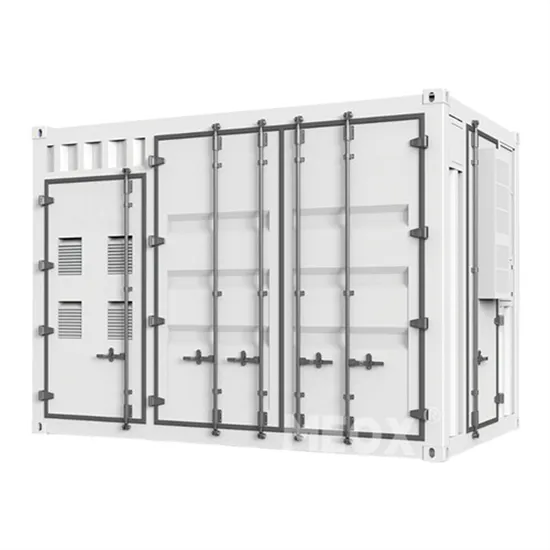
Major projects now deploy clusters of 20+ containers creating storage farms with 100+MWh capacity at costs below $280/kWh. . While grid-connected solar power is the least-cost renewable energy option for South Tarawa and there is significant resource potential of 554 MW, deployment has been limited. How much power does South Tarawa need?The photovoltaic systems account for 22% of installed capacity but supply only. . Enter the unsung hero of energy security – energy storage container barracks. Supercapacitor Energy Storage Systems | A revolutionary energy storage hardware and software company offering battery solutions. . The containers are fully integrated plug-and-play off-grid systemswith many advantages. These mobile systems are ideally suited for remote locations,rural electrification and temporary installations. . The City of Cape Town is inviting bids for its inaugural utility-scale battery energy storage system (BESS) facility, marking a significant step in the city's renewable energy strategy.
[PDF Version]
-
Types of energy storage systems and technologies
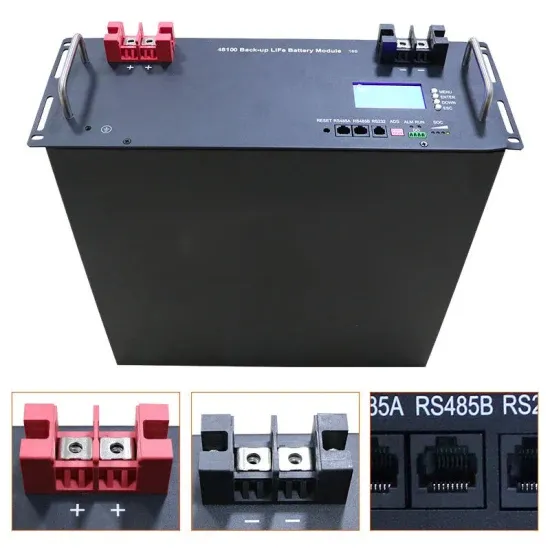
This comprehensive guide examines five main categories of energy storage technologies: battery energy storage systems, mechanical energy storage, thermal energy storage, chemical energy storage, and electrical energy storage. This dramatic cost reduction, combined with 85-95% round-trip efficiency and millisecond response times, has made. . Battery storage in the power sector was the fastest growing energy technology commercially available in 2023 according to the IEA. It is not always possible for the sun to shine. Pumped hydro uses water and gravity, while thermal storage captures heat or cold in materials like molten salt or ice. These technologies play a crucial role in integrating renewable sources, improving grid stability, and. .
[PDF Version]
 MENU