
-
What are the solar container energy storage systems in Malawi s power grid
Major projects now deploy clusters of 20+ containers creating storage farms with 100+MWh capacity at costs below $280/kWh. . Malawi is one of the most energy-poor countries on the planet, with less than 20 percent of the population having access to a reliable source of electricity, and access remaining below 10 percent in rural areas. Because much of the country's existing capacity comes from hydropower, persistent. . The Government of Malawi has sought technical assistance in order to accelerate its energy transition and in particular to facilitate the government's procurement of renewable electricity projects. Given the small size of Malawi's grid, relatively high system losses, and its relatively modest. . This article explores how cutting-edge battery technology and smart grid integration are reshaping energy reliability across residential, industrial, and commercial As Malawi accelerates its renewable energy adoption, the Lilongwe Energy Storage System Construction project emerges as a. . The state of the art power plant is the first utility-scale grid-connected hybrid solar and battery energy storage project in Malawi and the largest in Sub-Saharan Africa. It comprises 52,000 bi-facial solar panels and. Malawi was bringing more solar power onto the grid but. . awi's national grid.
[PDF Version]
-
How many kilowatts does it take to charge the solar energy storage cabinet system
Typical storage need: 20-40 kWh depending on solar system size Complete energy independence requires the largest storage capacity: Typical storage need: 50-100+ kWh with multiple days of autonomy Understanding your energy consumption patterns is crucial for proper battery sizing. Here's how to. . PWRcell 2 lets you use solar and battery at the same time and allows a generator to recharge the battery, maximizing home backup power. PWRcell 2 includes an ecobee Smart Thermostat Enhanced, providing a convenient in-home display for viewing real-time energy flow, solar performance, battery status. . If you're shopping around for solar panels or battery storage for your home, you're undoubtedly come across the terms 'kilowatt' (abbreviated as kW) and kilowatt-hour (kWh). These terms might be a bit confusing at first, so we've written this article to explain these terms and make them easy to. . An off-grid solar system's size depends on factors such as your daily energy consumption, local sunlight availability, chosen equipment, the appliances that you're trying to run, and system configuration. For example, 24 kWh = 500 amp hours at 48 volts → 500 Ah x 48V = 24 kWh It's usually a good idea to round up, to help cover inverter inefficiencies, voltage drop and other losses. Power rating, expressed in kilowatts (kW), denotes the maximum energy transfer rate achievable over time.
[PDF Version]
-
What is a home hybrid solar energy storage cabinet system
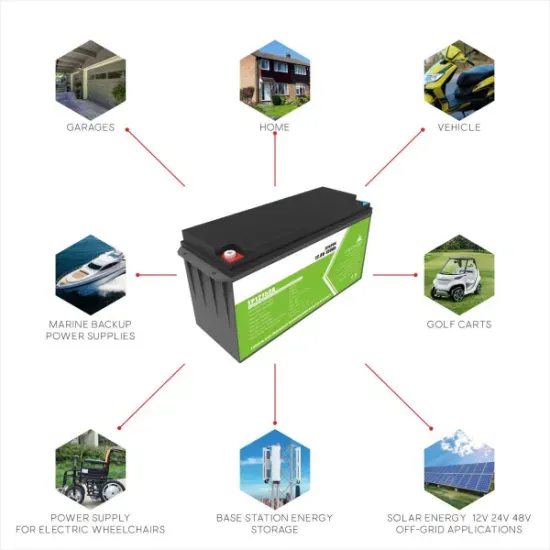
A Hybrid Solar Energy System Storage Cabinet is an integrated power solution that combines solar generation, battery energy storage, inverter technology, and smart management into a single modular cabinet. Instead of using separate components for power conversion and energy storage, this design. . Hybrid systems provide the best of both worlds: Unlike traditional grid-tied systems that shut down during outages, hybrid solar systems offer continuous power access through battery backup while maintaining grid connectivity for maximum savings and reliability. Our article highlights the pros and cons of hybrid solar systems to help you decide if it's right for you. Clicking “Get Your Estimate” submits your data to. . While on-grid solar connects you partially with the grid and an off-grid system is grid-independent, hybrid solar is a “solar-plus-storage” system. The solar panels store sunlight and convert it into electricity, while the battery storage stores excess energy for later use.
[PDF Version]
-
What are the solar container energy storage systems of the Sao Paulo Power Station in Brazil
Major projects now deploy clusters of 20+ containers creating storage farms with 100+MWh capacity at costs below $280/kWh. . The Sao Paulo Photovoltaic Energy Storage Project stands as South America's most ambitious attempt to harness solar power at utility scale while solving renewable energy's Achilles' heel - intermittent supply. Let's explore how this initiative could redefine urban energy infrastructure. With 12. . Over the past two years, South America's new energy storage market has seen a price reduction of 43% for lithium-ion battery systems. We energized the country's first project in 2022 at the Registro Substation (SP), one of the facilities responsible for supplying electricity to the southern. . With solar capacity growing at 23% annually (Brazilian Energy Regulatory Agency, 2023), São Paulo faces a critical challenge: storing sunlight for when it"s needed most.
[PDF Version]
-
How big is the solar power station of a 1MW base station container energy storage station
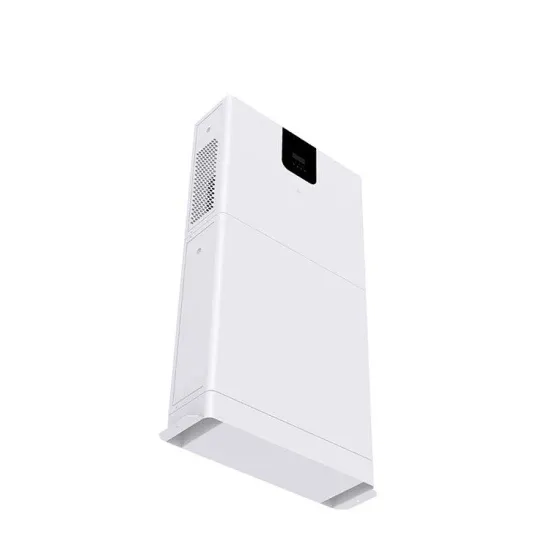
A 100-square-foot installation area is required for a 1 kW solar system. . What is pknergy 1MWh battery energy solar system? PKNERGY 1MWh Battery Energy Solar System is a highly integrated,large-scale all-in-one container energy storage system. Housed within a 20ft container, it includes key components such as energy storage batteries, BMS, PCS, cooling systems, and fire protection systems. It is an ideal solution for. . 1 MWh and construction scale of 1 MW/1 MWh. 04 MWh lithium iron phosphate battery pack carried by a 20-foot prefabricated container with dimensions of 6058 mm x 2438 mm x 2896 mm. Each energy storage unit has a capacity of 1044.
[PDF Version]
-
Get cost estimate for how much does a 20kW solar energy storage cabinet cost
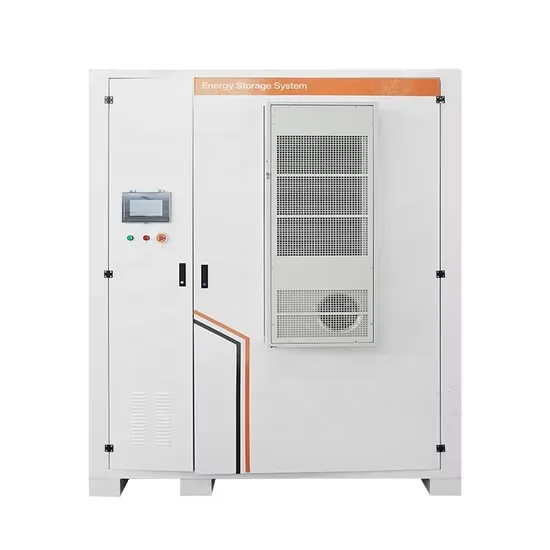
As of 2026, the average cost of a 20kW solar system in the United States ranges from $41,000 to $64,000 before incentives or rebates. This price includes equipment, installation, and associated costs. But your actual price will depend on factors like your roof's complexity, local labor costs, the equipment you choose, and what incentives are available in your area. . This 20kWh battery storage package supplies backup energy solutions for a substantial portion of the home. On average, the gross cost for a fully installed 20kW system is approximately $40,000 to $55,000 nationally, though some quotes may reach. . Investing in a 20kW solar system can lead to significant savings on your electricity bills. Over the course of its 25-year panel lifetime, you could save a whopping $155,125.
[PDF Version]
 MENU