
-
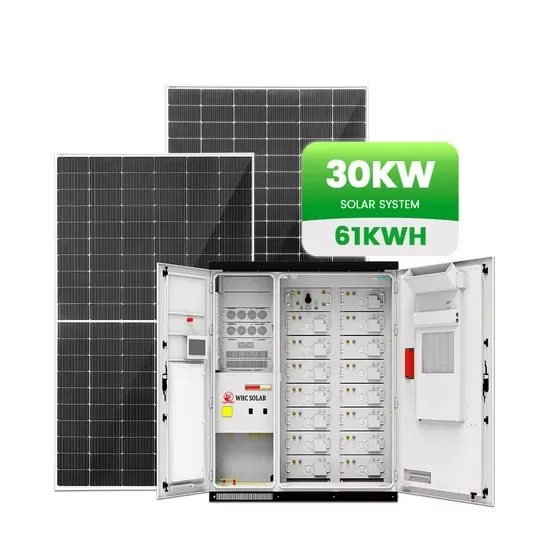
Wind power storage and photovoltaic energy storage
A Wind-Solar-Energy Storage system integrates electricity generation from wind turbines and solar panels with energy storage technologies, such as batteries. . The global renewable energy landscape is undergoing a seismic shift, with wind power and photovoltaic (PV) systems now accounting for over 12% of global electricity generation. But here's the kicker: the energy storage market is projected to grow from $33 billion in 2025 to $86 billion by 2030 [1].
[PDF Version]
-
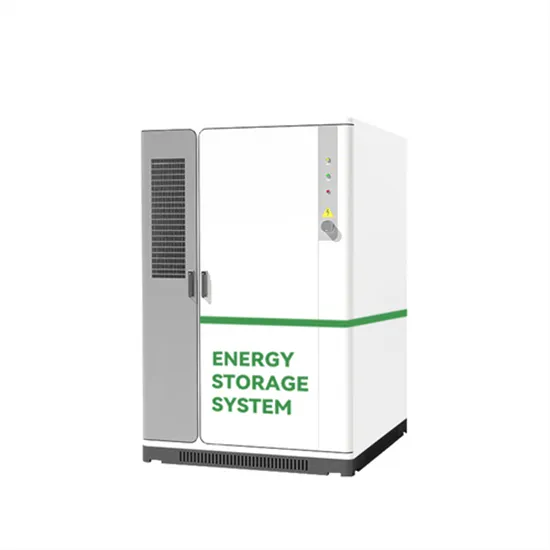
Comparison of 80kWh Off-Grid Solar Energy Storage Unit and Wind Power Generation
The main objective of this paper is to enable researchers of renewable energy and researchers of modern power systems to quickly understand the different storage systems used in wind and solar plants. . · Grid Independence: Reduce reliance on traditional power grids and potentially go off-grid entirely. · Time-of-Use Optimization: Take advantage of variable electricity rates by using stored energy during high-cost. . Solar Energy Dominates Residential Applications: With installation costs of $20,000-$30,000 compared to wind's $50,000-$75,000, solar energy offers a significantly lower barrier to entry for homeowners. For less technical information, see the basic guide to selecting a home grid-tie or off-grid solar battery system. Reilly, Jim, Ram Poudel, Venkat Krishnan, Ben Anderson, Jayaraj Rane, Ian Baring-Gould, and Caitlyn Clark. Hybrid Distributed Wind and Batter Energy Storage Systems. Golden. . Part of the book series: Lecture Notes in Networks and Systems ( (LNNS,volume 1249)) Hybrid energy systems, integrating diverse energy sources such as solar, wind, and storage battery, are essential for granting reliable and sustainable power to remote and isolated areas.
[PDF Version]
-
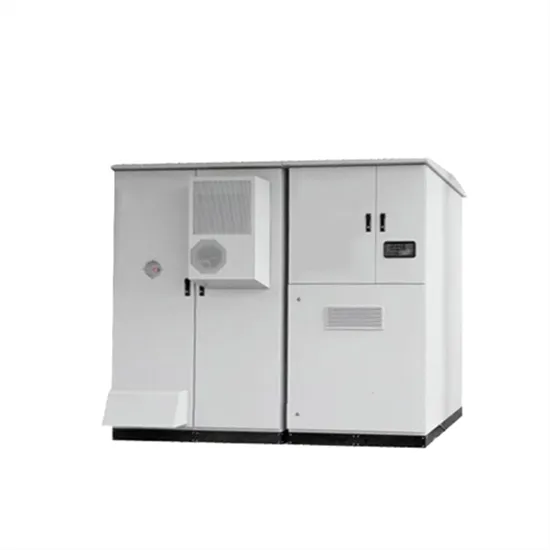
Three-phase outdoor energy storage cabinet for wind power generation in NorthPhilippines
Polinovel CBS240 Outdoor Cabinet Battery Energy Storage System is tailored for high capacity power storage, ideal for large-scale renewable energy generation, PV self-consumption, off-grid applications, peak shaving, and emergency backup power. ≤4000m (1800m~4000m, every time the altitude rises by 200m, the temperature will decrease by 1oC. Mission The DOE aims to enhance the quality of life for Filipinos by ensuring sustainable, stable, secure, and affordable energy through. . One cabinet per site is sufficient thanks to ultra-high energy density and efficiency. The eMIMO architecture supports multiple input (grid, PV, genset) and output (12/24/48/57 V DC, 24/36/220 V AC) modes, integrating multiple energy sources into one. This article explores current projects, market trends, and how innovations like battery storage are reshaping the country's energy landscape. Compared with traditional electricity, wind power communication energy cabinet has a wider application space, is not restricted by. . EPC Energy serves the utility and developer market with multi-MWh solutions featuring 40′ container or skid-based designs.
[PDF Version]
-
Technology wind and solar complementary solar energy storage cabinet power supply system
The wind-solar complementary power supply system uses batteries as energy storage components and employs the complementary combination of wind power and solar photovoltaic power to extend the lifespan of the batteries and enhance the reliability of the power supply system. It is mainly divided into off-grid and grid-connected types. Off-grid systems utilize solar PV arrays and wind turbines to store generated electricity in battery. . HOMER (Hybrid Optimization Model for Electric Renewables) is an effective simulation and optimization platform for hybrid renewable energy. By inputting specific users' energy resource data (such as wind speed, solar radiation, etc.
[PDF Version]
-
Photovoltaic wind power lithium battery energy storage
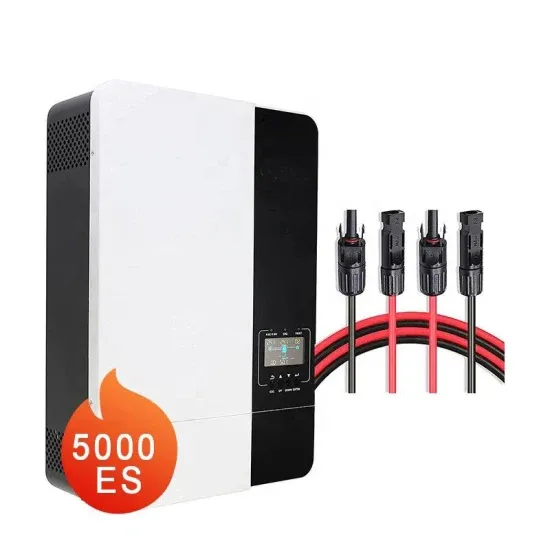
This is where lithium batteries shine, offering a solution by storing excess energy during periods of high wind and seamlessly releasing it when the wind's contribution wanes, ensuring a stable energy supply. . Electricity storage can shift wind energy from periods of low demand to peak times, to smooth fluctuations in output, and to provide resilience services during periods of low resource adequacy. Although interconnecting and coordinating wind energy and energy storage is not a new concept, the. . Battery Storage Costs Have Reached Economic Viability Across All Market Segments: With lithium-ion battery pack prices falling to a record low of $115 per kWh in 2024—an 82% decline over the past decade—energy storage has crossed the threshold of economic competitiveness. However, the intermittent nature of. . We expect 63 gigawatts (GW) of new utility-scale electric-generating capacity to be added to the U. This amount represents an almost 30% increase from 2024 when 48. In this paper, pumped storage and lithium-ion battery storage are fully considered, as they are supposed to have excellent performance and are highly complementary.
[PDF Version]
-
Uganda s first wind and solar energy storage power station
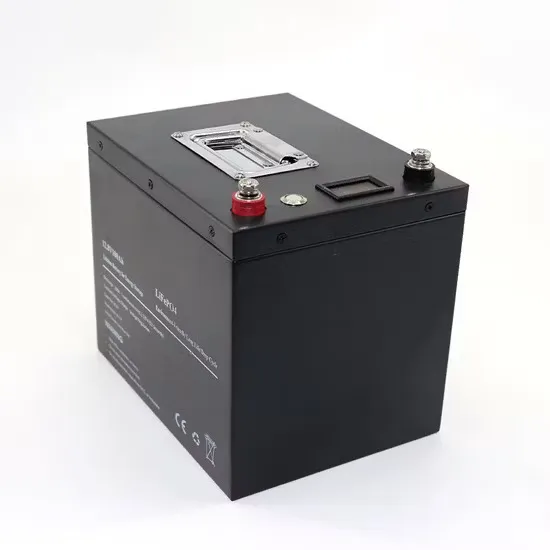
Uganda has approved a major 100 MW solar project paired with a 250 MWh battery storage system—a landmark initiative for solar energy in Uganda. A major solar-plus-storage has been approved by the Government of Uganda, with the project set for Kapeeka Sub‑County, Nakaseke District, approximately 62 kilometers northwest of. . As Uganda accelerates its renewable energy transition, hybrid wind-solar-storage power stations are emerging as game-changers. This article explores how these innovative projects address energy access challenges while aligning with global climate goals. The project will be developed by U. -based Energy America, with. .
[PDF Version]
 MENU