
-
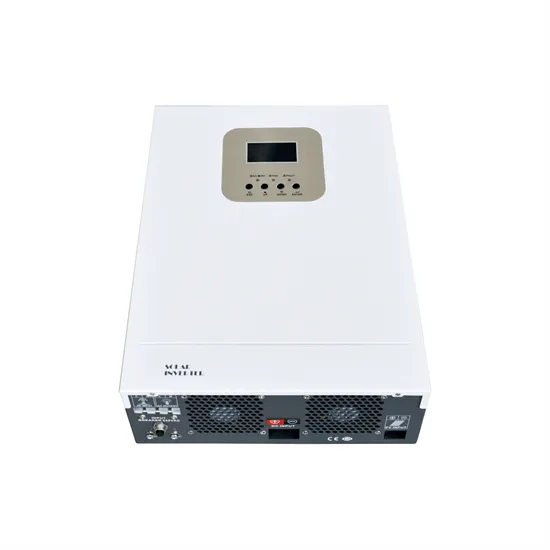
4 2v solar container lithium battery pack production
The production process for Chisage ESS Battery Packs consists of eight main steps: cell sorting, module stacking, code pasting and scanning, laser cleaning, laser welding, pack assembly, pack testing, and packaging for storage. . This paper explores this implementation potential by detailing the engineering aspects of lithium-ion battery-packs for solar home systems,and elaborating on the key cost factors,present and future. Are lithium-ion. . ● The development and production of battery storage systems is thus a promising and future-oriented branch of industry with considerable economic potential. Based on the brochure "Production process of lithium-ion battery cells", this brochure presents the process chain for the production of. . Chisage ESS has been in the field of solar battery for many years and is committed to producing high-quality energy storage battery packs. Lithium batteries are CATL brand, whose LFP chemistry packs 1 MWh of energyinto a battery volume of 2. Our design incorporates safety protection. . At the heart of the battery industry lies an essential lithium-ion battery assembly process called battery pack production.
[PDF Version]
-
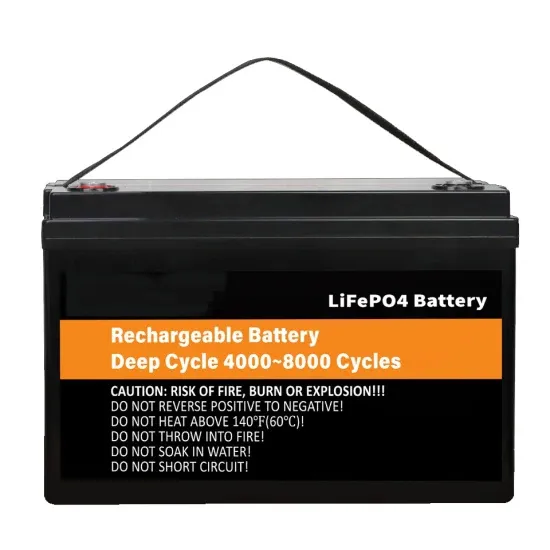
Field division of solar energy storage cabinet lithium battery energy storage
Designed to exceed IFC24 fire-containment standards, it enables secure storage of bulk, damaged, or prototype batteries without the need for a separate fire-rated room. Lightweight, mobile, and field-repairable, the cabinet combines long-term durability with sustainable. . Lithium-ion Battery Storage Technical Specifications 1 Lithium-Ion BatteryEnergyStorage SystemTechnicalSpecifications DISCLAIMER These technical specifications are intended as a resource only. They assure perfect energy management to continue power supply without interruption. Constructed with long-lasting materials and sophisticated technologies inside. . Delta's Li-battery storage system features high-voltage output for enhancing the efficiency of energy management. With its scalable and anti-corrosion capabilities, Delta's battery system can meet project requirements of varying scale and is suitable for various environmental conditions, making it. . Featuring lithium-ion batteries, integrated thermal management, and smart BMS technology, these cabinets are perfect for grid-tied, off-grid, and microgrid applications. This makes them an ideal solution for grid ancillary services and. .
[PDF Version]
-
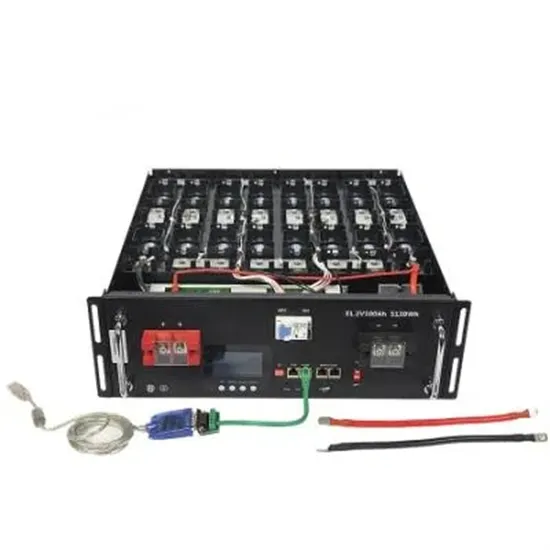
How many amperes does a solar container lithium battery pack usually discharge
The ideal amperage range for solar batteries typically fluctuates between 50 to 200 amps, but exact numbers can vary based on project requirements. Even if there is various technologies of batteries the principle of calculation of power, capacity, current and charge and. . The maximum discharging current of a lithium solar battery refers to the highest rate at which the battery can safely release its stored energy. Energy (Wh) = Power (W) × Time (hours) Example: Energy needed = 300 × 5 = 1,500 Wh Required Capacity (Ah) = Energy (Wh) ÷ Voltage (V) Example: Capacity = 1,500 ÷ 24 = 62. 5 Ah Not all stored. . The operating voltage range is the safe voltage window for a LiFePO4 battery pack, from 2. Staying within this range (10V–14. For instance, charging above 3. 7V can reduce a pack's capacity over time.
[PDF Version]
-
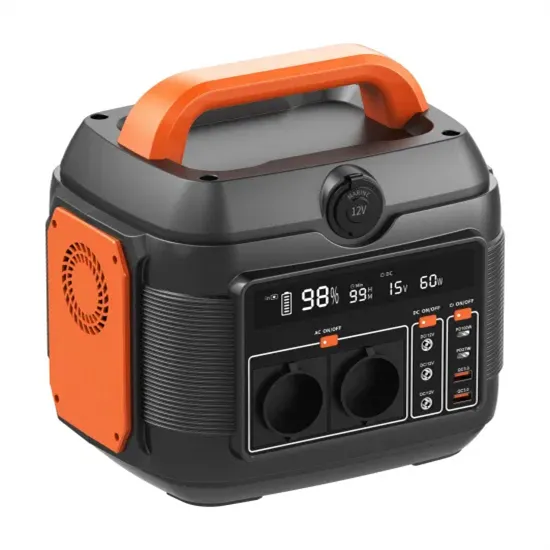
Which is the best solar container lithium battery pack from Apia Power
Bottom line up front: for most off-grid homes and RVs in 2025, the best choice is a LiFePO4 solar lithium battery with ≥4,000 cycles @ ~80% DoD, robust BMS protection, closed-loop inverter pairing, and a 10-year warranty. . Choosing the right lithium battery for a solar system can significantly impact reliability, lifespan, and ongoing energy costs. This guide highlights five high-performing options suited for off-grid, RV, marine, or home solar setups. Each option features built-in BMS protection, good cycle life. . A good lithium solar battery does more than just store power—it lets you run your devices longer, rely less on the grid or generators, and enjoy a system with lower maintenance and higher reliability. While other. . Franklin is a relatively new entrant to the home battery storage space but has quickly cemented its position as offering a sleek all-in-one package that's simple to install and provides “whole home” backup.
[PDF Version]
-
Power tool solar container lithium battery multi-purpose
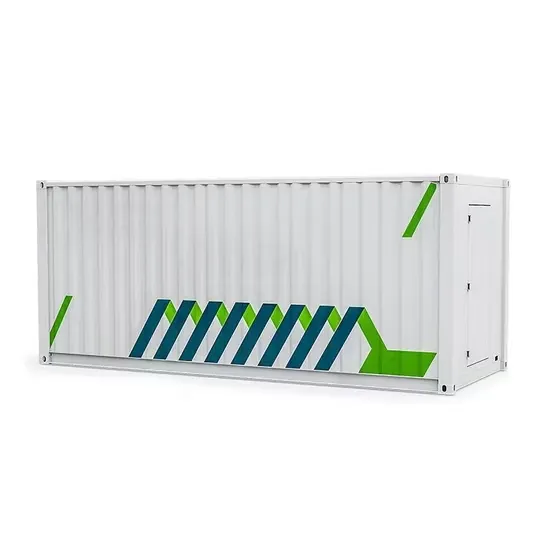
What is a mobile solar PV container? High-efficiency Mobile Solar PV Container with foldable solar panels,advanced lithium battery storage (100-500kWh) and smart energy management. Ideal for remote areas,emergency rescue and commercial applications. Fast deployment in all climates. . This deep cycle lithiumbattery provides efficient, long-lasting power for your RV. Settle in and enjoy the moment, knowing your battery can handle extra days and cold mornings. Battery Box Power Center with USB, USB-C, Voltage Display, External Ports for Group 27 and 31 Batteries.
[PDF Version]
-
What are the types of cylindrical solar container lithium battery cells in Sierra Leone
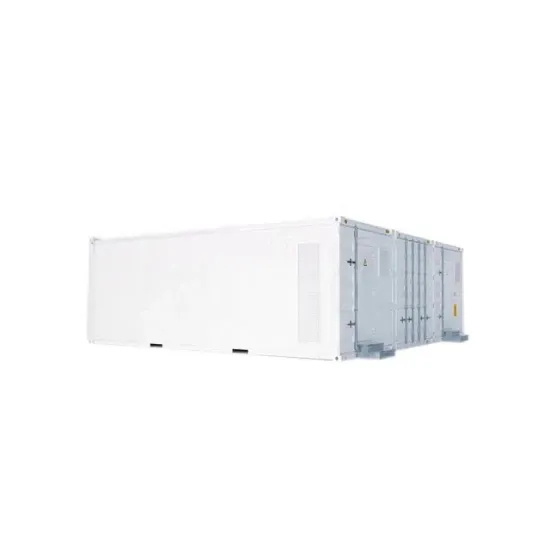
Cylindrical cells are durable, heat-efficient, and easy to manufacture but offer limited shape flexibility. . The Complete Guide to Lithium Battery Enclosures: Cylindrical, Prismatic, and Pouch Cell Technologies-Blog-DLCPO® | Premium LiFePO4 & LTO Battery Manufacturer | Custom Lithium Solutions-Global Supplier of Grade A CATL, EVE, CALB,SVOLT,Rept Cells & One-Stop Battery Pack Assembly. Decoding. . Understanding lithium-ion cell form factors—cylindrical, pouch, and prismatic—unveils key differences that influence safety, performance, and design choices. Whether you're powering an RV, marine vessel, off-grid home, or critical industrial system, knowing the strengths and limitations of each cell format can save you. . What are the different types of lithium battery cells? Understanding the differences between cylindrical,pouch,and prismaticlithium battery cells helps you make better decisions. Evaluate your. . For this article we will concentrate on the 18650 and 21700 formats, but this is migrating towards the 46mm diameter 46xx class of cylindrical cells. Perhaps the most famous of the cylindrical formats is the 18650 and 21700. 18650 => ~18mm in diameter and ~65.
[PDF Version]
 MENU