
-
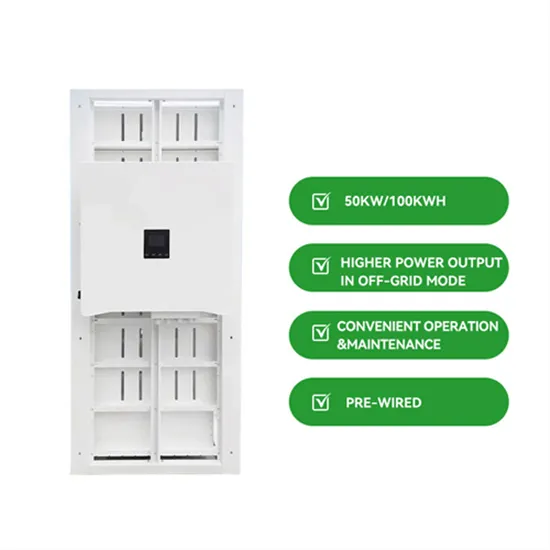
Base station supporting solar energy storage cabinet power supply system
It integrates the photovoltaic, wind energy, rectifier modules, and lithium batteries for a stable power supply, backup power, and optical network access in one enclosure. The power generated by solar energy is used by the DC load of the base station computer room, and the insufficient power is supplemented by energy storage. . Highjoule's Outdoor Photovoltaic Energy Cabinet and Base Station Energy Storage systems deliver reliable, weather-resistant solar power for telecom, remote sites, and microgrids. Sustainable, high-efficiency energy storage solutions. Consider this: A single base station serving 5,000 users consumes 3-5 kW daily.
[PDF Version]
-
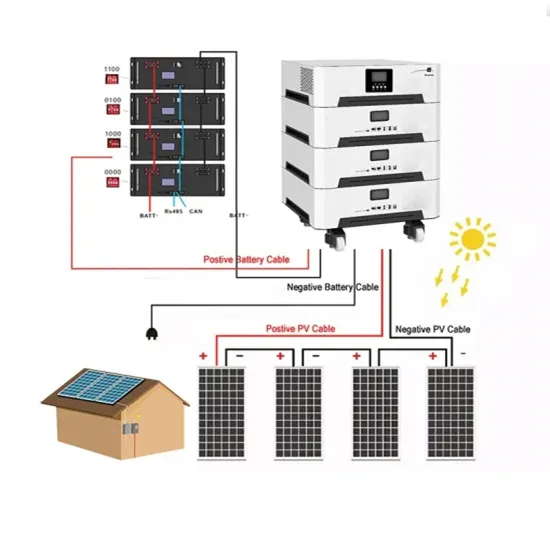
Base station ac introduction and solar energy storage cabinet power supply system
This article will introduce in detail how to design an energy storage cabinet device, and focus on how to integrate key components such as PCS (power conversion system), EMS (energy management system), lithium battery, BMS (battery management system), STS (static transfer. . This article will introduce in detail how to design an energy storage cabinet device, and focus on how to integrate key components such as PCS (power conversion system), EMS (energy management system), lithium battery, BMS (battery management system), STS (static transfer. . An energy cabinet is the hub of the modern distributed power systems—a control, storage, and protection nexus for power distribution. Powering a 5G outdoor base station cabinet, a solar microgrid, or an industrial power node, the energy cabinet integrates power conversion, energy storage, and. . The communication base station installs solar panels outdoors, and adds MPPT solar controllers and other equipment in the computer room. Integrating EverExceed's superior communication power supply system, solar control system, and outdoor protective cabinet, we provide a. . As global demand for seamless connectivity surges, telecom operators face unprecedented pressure to ensure uninterrupted power supply for base stations.
[PDF Version]
-
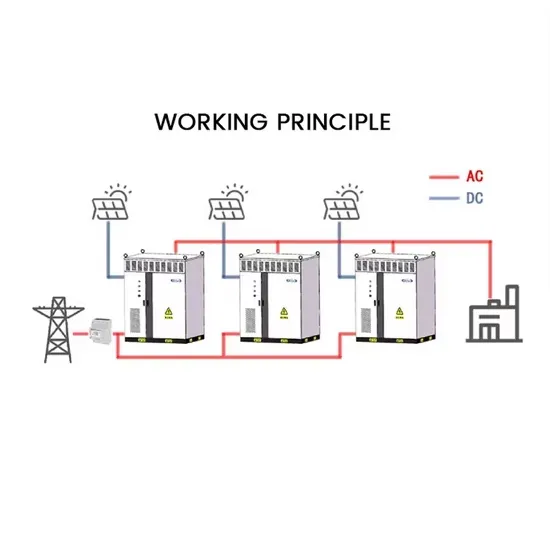
DC power supply for IoT base station user outdoor energy storage cabinet
This outdoor battery cabinet is highly customizable and designed for telecom, power, and solar energy storage applications. It offers flexible configuration in structure, materials, cooling, electrical integration, and installation to meet diverse project needs and harsh. . This 30U thermostatic outdoor cabinet with NEMA-rated electrical enclosure is specifically designed for telecom, solar, and power distribution systems. To ensure durability in tough conditions, it is constructed from high-strength galvanized steel and rated IP55—effectively offering reliable. . One cabinet per site is sufficient thanks to ultra-high energy density and efficiency. The eMIMO architecture supports multiple input (grid, PV, genset) and output (12/24/48/57 V DC, 24/36/220 V AC) modes, integrating multiple energy sources into one. Explore reliable, and IEC ※ The Management solution is a complementary service for charging stations and is not sold separately.
[PDF Version]
-
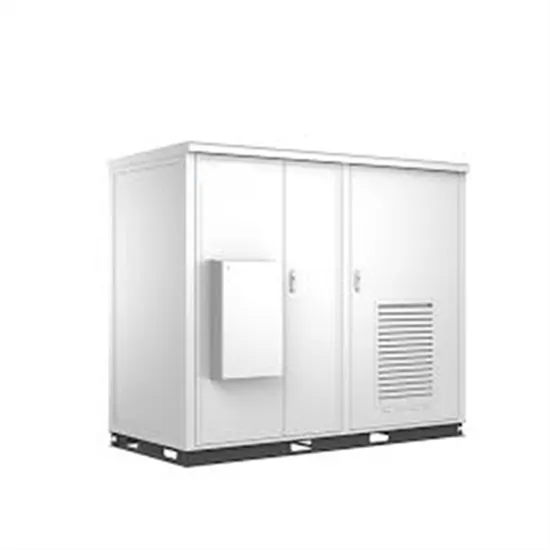
Cooling method of energy storage power station cabinet
Liquid cooling systems circulate coolant through tubes embedded within the cabinet to absorb and transport heat from the batteries. These systems maximize heat transfer efficiency by utilizing liquids which have superior thermal conductivity than air. . Discover how advanced cooling solutions optimize performance in modern energy storage systems. Without proper thermal management, batteries overheat, efficiency. . This sophisticated enclosure is designed not just to house battery modules, but to actively manage their thermal environment, which is crucial for safety, reliability, and extending the operational life of the entire system. . SUNWODA's Outdoor Liquid Cooling Cabinet is built using innovative liquid cooling technology and is fully-integrated modular and compact energy storage system designed for ease of deployment and configuration to meet your specific operational requirement and application including flexible peak. . ment is the integration of liquid cooling systems. Water-coo e life, abinet. .
[PDF Version]
-
How many batteries are there in the base station power cabinet
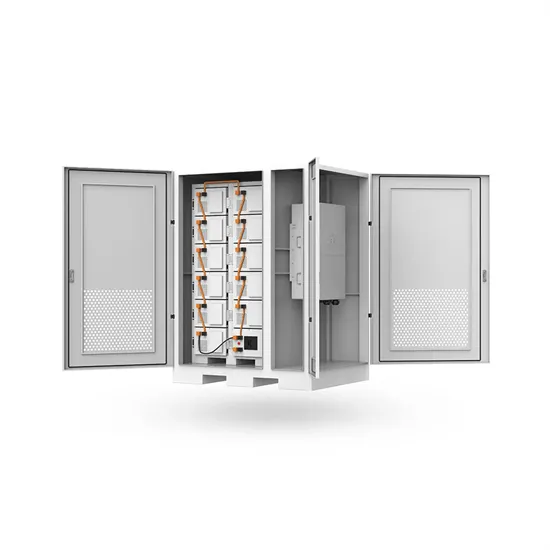
The precise number of batteries in an energy storage station can vary significantly based on several factors, including 1. the station's capacity requirements, 2. . What is 5G power & IEnergy?Fully meet the requirements of rapid 5G deployment, smooth evolution, efficient energy saving, and intelligent O&M. For more details about each specification, visit the dedicated spec page for each system. Compare Base Power's home battery systems - from our streamlined 20kWh wall-mount to our advanced 50kWh ground-mount solution. . Several energy storage technologies are currently utilized in communication base stations. Moreover, smart technology integration enables remote monitoring and management of these. . Highjoule's Site Battery Storage Cabinet ensures uninterrupted power for base stations with high-efficiency, compact, and scalable energy storage. DC-couple to Generac PWRzone solar or PWRgenerator. The PWRcell Battery Cabinet allows system. .
[PDF Version]
-
What is the maximum power of the battery energy storage system of the communication base station
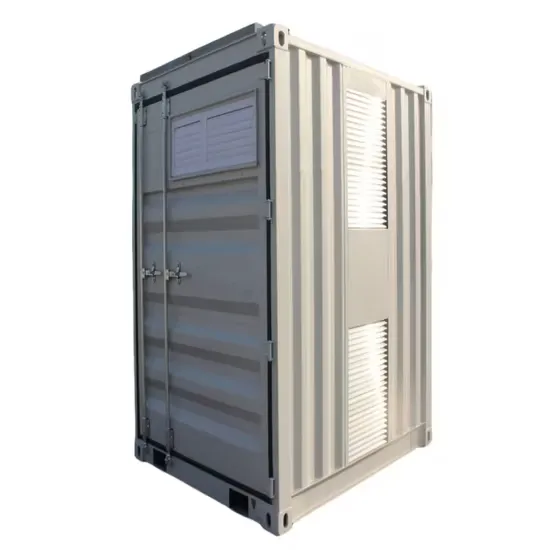
Rated power capacity is the total possible instantaneous discharge capability (in kilowatts [kW] or megawatts [MW]) of the BESS, or the maximum rate of discharge that the BESS can achieve, starting from a fully charged state. . Battery storage is a technology that enables power system operators and utilities to store energy for later use. A battery energy storage system (BESS) is an electrochemical device that charges (or collects energy) from the grid or a power plant and then discharges that energy at a later time to. . Battery energy storage systems are generally designed to deliver their full rated power for durations ranging from 1 to 4 hours, with emerging technologies extending this to longer durations to meet evolving grid demands. Remote base stations often rely on independent power systems.
[PDF Version]
 MENU