
-
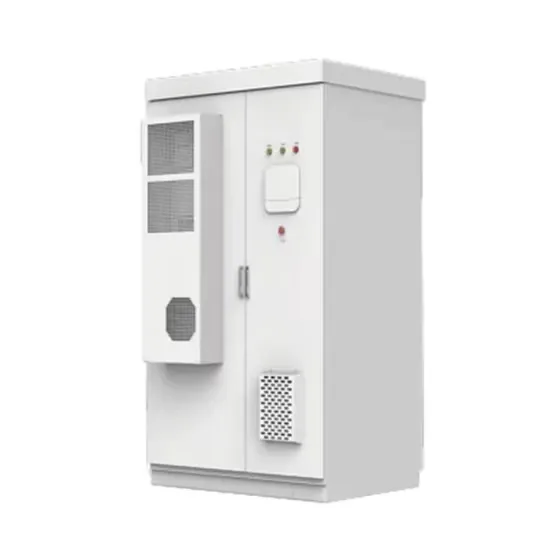
Solar solar container battery charging speed
The charging speed depends on several factors, including solar panel efficiency, battery capacity, and weather conditions. Higher efficiency panels generate more electricity in the same amount of sunlight. Mobile units sometimes compromise on orientation for portability, reducing output moderately. Smart. . A solar power container is a self-contained, portable energy generation system housed within a standardized shipping container or custom enclosure. These turnkey solutions integrate solar panels, inverters, batteries, charge controllers, and monitoring systems into a single transportable unit that. . In this article, we'll explore the factors that determine solar charging speed, provide real-world benchmarks, and explain why charging capability is one of the most critical features to look for in the best solar generator for home backup. Keep batteries cool and check charge levels often.
[PDF Version]
-
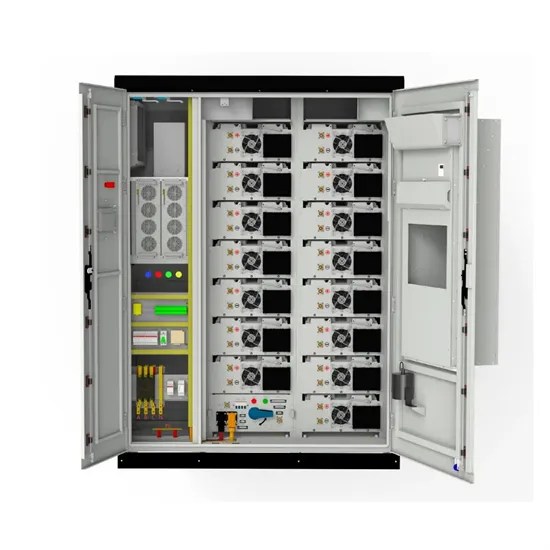
Solar container lithium battery pack charging and discharging integrated
Containerized energy storage system uses a lithium phosphate battery as the energy carrier to charge and discharge through PCS, realizing multiple energy exchanges with the power system and connecting to multiple power supply modes, such as photovoltaic array, wind energy, power. . Containerized energy storage system uses a lithium phosphate battery as the energy carrier to charge and discharge through PCS, realizing multiple energy exchanges with the power system and connecting to multiple power supply modes, such as photovoltaic array, wind energy, power. . Adding Containerized Battery Energy Storage System (BESS) to solar, wind, EV charger, and other renewable energy applications can reduce energy costs, minimize carbon footprint, and increase energy efficiency. Get ahead of the energy game with SCU! 50Kwh-2Mwh What is energy storage container? SCU. . We combine high energy density batteries, power conversion and control systems in an upgraded shipping container package. Lithium batteries are CATL brand, whose LFP chemistry packs 1 MWh of energyinto a battery volume of 2. Our design incorporates safety protection. . Container Energy Storage System (CESS) is an integrated energy storage system developed for the mobile energy storage market. The battery is a crucial component within the BESS; it stores the energy ready to be dispatched when needed.
[PDF Version]
-
Gambia charging pile solar container lithium battery energy storage cabinet installation
Major projects now deploy clusters of 20+ containers creating storage farms with 100+MWh capacity at costs below $280/kWh. Technological advancements are dramatically improving solar storage container performance while reducing costs. machine hall, penstocks, and tailrace) from rock, rather than the more common surface-based construction methods. Wind power is. . A 23 MW solar power facility with 8 MWh of battery storage was officially opened in the Gambia.
[PDF Version]
-
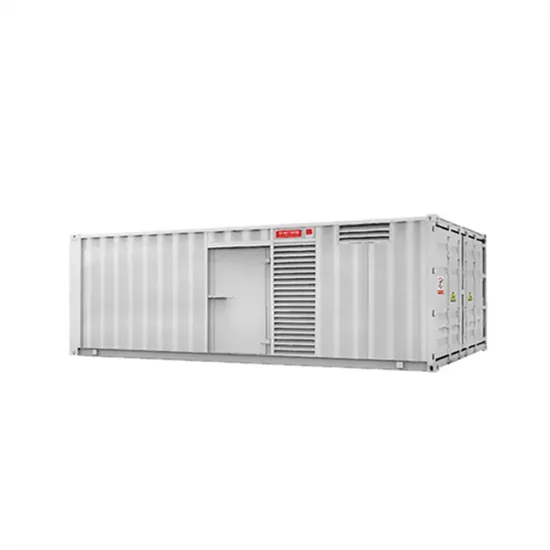
Vietnam charging pile installation solar container outdoor power
Expanding solar-powered stations using renewable energy to ease grid pressure. These trends align with global infrastructure development and present significant opportunities and challenges for EV manufacturers and equipment suppliers aiming to standardize, secure, and scale. . Meta Description: Discover how container-based outdoor fast charging solutions are transforming electric vehicle infrastructure. Explore technical advantages, market trends, and real-world applications of modular charging stations. Why Containerized Fast Charging Matters Now The global EV charging. . With fossil fuel resources dwindling and energy consumption projected to rise by approximately 10% annually through 2030, one of the fastest rates in Asia, solar power is essential for Vietnam's environmental sustainability and economic resilience. 1 GW of solar installed since 2020 and blackouts costing manufacturers $1. Contribute to grid load reduction and enhance system reliability in the area. Key Technical. . According to planning data, VinFast alone has installed 150,000 charging ports across 34 provinces and cities, covering 125 national highways with an average distance of 65 km between stations—soon to be shortened to 50 km. 500/QD-TTg, approving the National Power Development Plan for 2021-2030 with a vision to 2050 (“PDP VIII”).
[PDF Version]
-
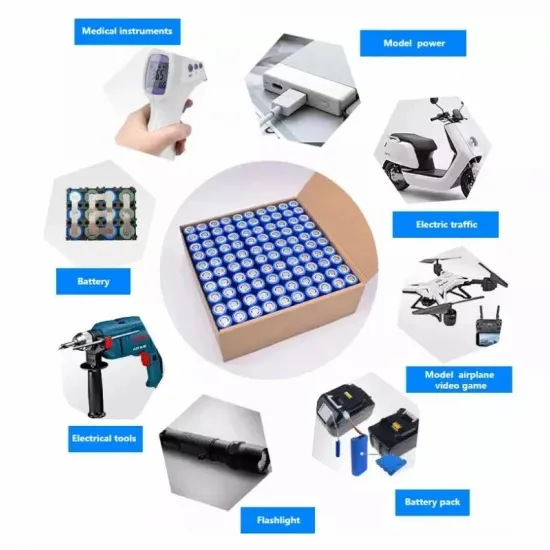
Fast charging solar container outdoor power 3 degrees
In this guide, we've reviewed the best fast solar charging portable power stations in 2025 — so you can stay powered up and on the move. 1 fast-charging USB-C ports can output 140W simultaneously Versatile Charging Options: This power station supports three convenient. . Finding a solar generator that balances fast charging speeds with dependable power capacity is essential for camping, RV trips, and emergency home backup. 2% CAGR through 2030 (BloombergNEF). Container outdoor power charging pile systems address three critical pain points: Modern systems like EK SOLAR's CQC-450 model achieve 10-80% charge in 15 minutes flat for commercial EVs. You'll want to consider factors like weight, charging speed, and output options to find. .
[PDF Version]
-
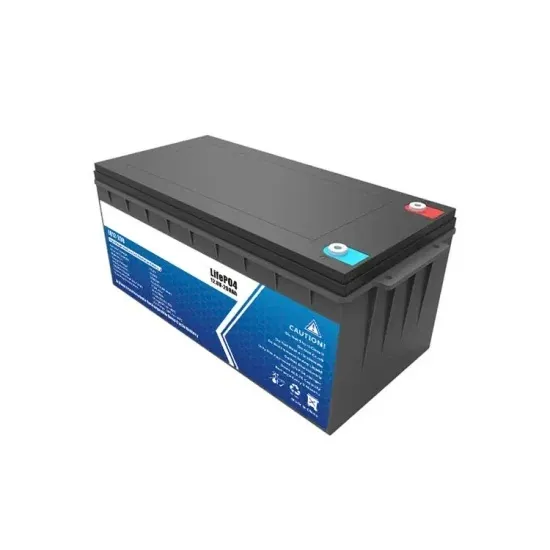
Charging and discharging efficiency of solar container lithium battery solar container energy storage system
Understanding the charging and discharging principles of solar lithium batteries is integral to maximizing the efficiency and lifespan of these energy storage solutions. . How efficient are battery energy storage systems? As the integration of renewable energy sources into the grid intensifies, the efficiency of Battery Energy Storage Systems (BESSs), particularly the energy efficiency of the ubiquitous lithium-ion batteries they employ, is becoming a pivotal factor. . This report describes development of an effort to assess Battery Energy Storage System (BESS) performance that the U. Department of Energy (DOE) Federal Energy Management Program (FEMP) and others can employ to evaluate performance of deployed BESS or solar photovoltaic (PV) +BESS systems. The. . on more than panels and batteries to operate efficiently. Charging occurs when your photovoltaic panels convert sunlight into electricity, then this surplus energy is stored in batteries. Discharging begins when those batteries release stored energy to. . The lithium-ion battery has the characteristics of low internal resistance, as well as little voltage decrease or temperature increase in a high-current charge/discharge state.
[PDF Version]
 MENU