
-
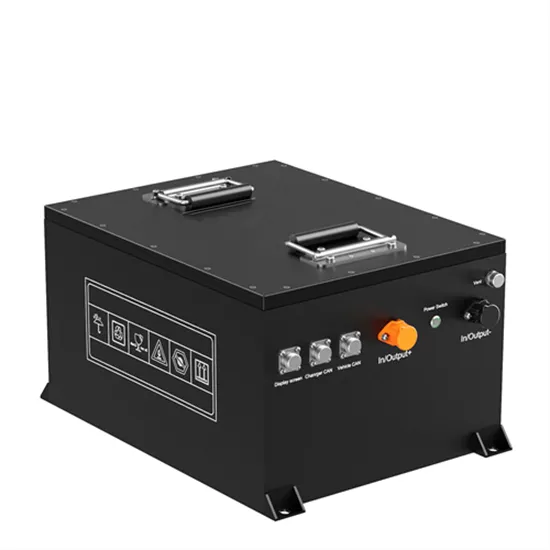
Vilnius Communications 5G Base Station Photovoltaic Power Generation System Branch
Base station operators deploy a large number of distributed photovoltaics to solve the problems of high energy consumption and high electricity costs of 5G base stations. In this study, the idle space of the.
[PDF Version]
-
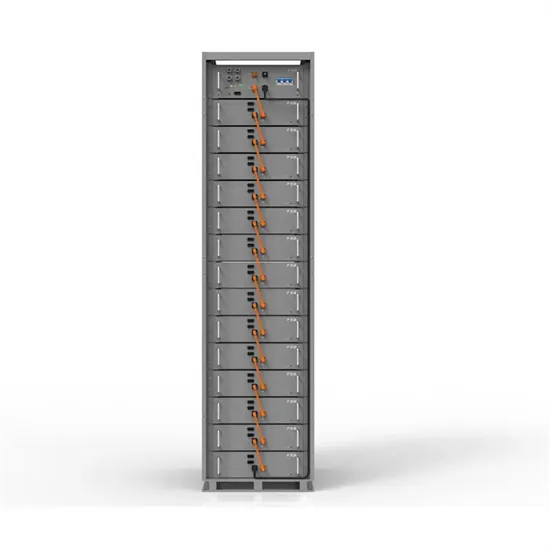
5g base station solar power generation system mainboard circuit
Base station operators deploy a large number of distributed photovoltaics to solve the problems of high energy consumption and high electricity costs of 5G base stations. In this study, the idle space of the.
[PDF Version]
-
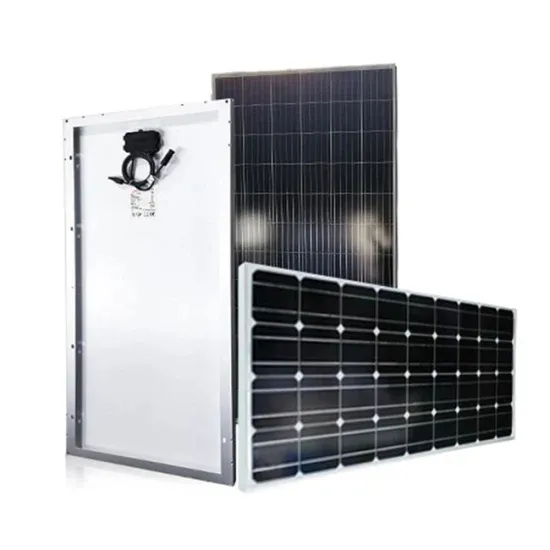
Communication 5g small base station photovoltaic power generation system work
Base station operators deploy a large number of distributed photovoltaics to solve the problems of high energy consumption and high electricity costs of 5G base stations. In this study, the idle space of the.
[PDF Version]
-
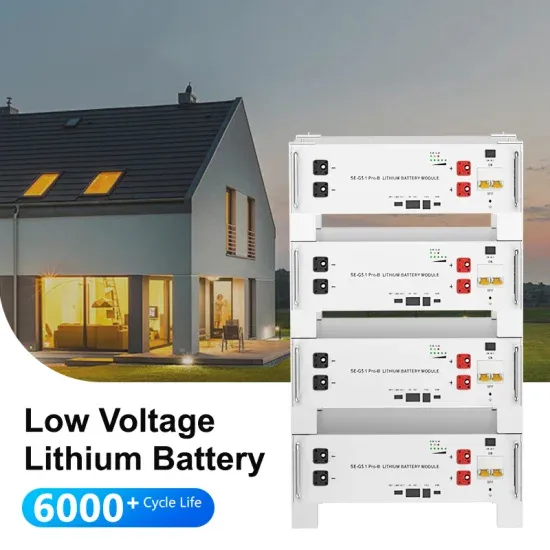
Uzbekistan Solar Photovoltaic Power Generation Base Station
TASHKENT, May 21, 2024 — The World Bank Group, Abu Dhabi Future Energy Company PJSC (Masdar), and the Government of Uzbekistan have signed a financial package to fund a 250-megawatt (MW) solar photovoltaic plant with a 63-MW battery energy storage system (BESS). . Uzbekistan has great renewable energy potential, especially for solar energy. The project aims to expand clean and. . In March 2019 the Slovenian Government adopted the renewed Regulation on Self-Reliance on Electricity from Renewable Sources (“Regulation”), which regulates the net-metering model. The net-metering model was first introduced in Slovenia in 2015 and has proved a great. The latest figures show a significant increase from previous years.
[PDF Version]
-
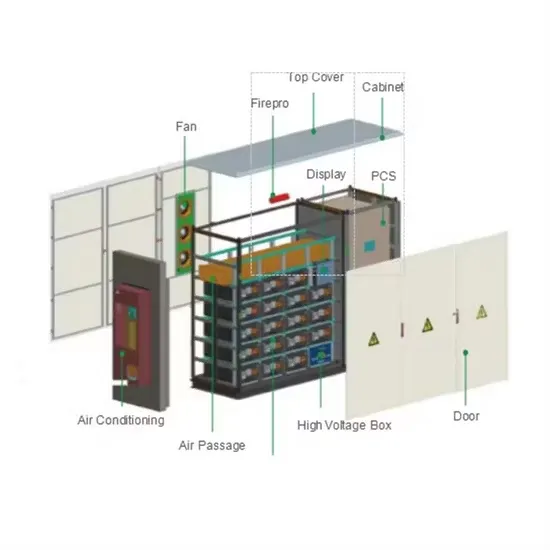
Communication base station wind and solar hybrid wind power generation system
Hybrid energy solutions enable telecom base stations to run primarily on renewable energy sources, like solar and wind, with the diesel generator as a last resort. This reduces emissions, aligns with sustainability goals, and even opens up opportunities for carbon credits or green. . To provide a scientific power supply solution for telecommunications base stations, it is recommended to choose solar and wind energy. The presentation will give attention to the requirements on using. Abstract: Due to dramatic increase in power. . Mar 17, 2010 · A DC bus and communication base station technology, which is applied in the field of wind and solar hybrid power generation system for communication base stations based on The wind-solar-diesel hybrid power supply system of the communication base station is composed of a wind. . Under normal circumstances, communication base stations usually adopt a hybrid system of solar and wind energy for energy storage.
[PDF Version]
-
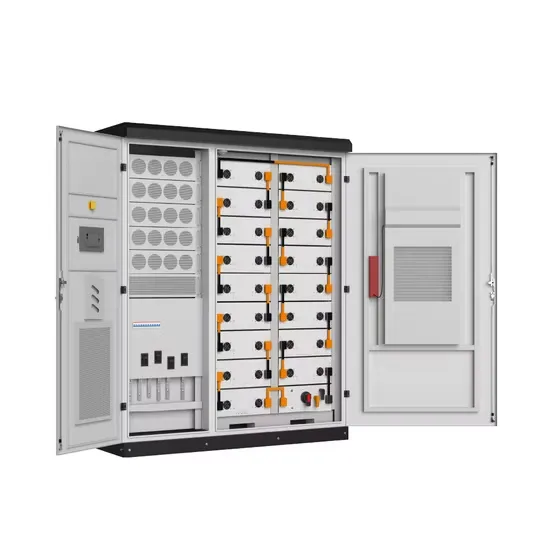
Bhutan communication base station solar power generation brand
The 100 MW project will supply 50% of the power generated to Bhutan under a cross-border power agreement during the winter months. . Electricity in Bhutan is mostly generated from hydropower, a renewable energy source, unlike fossil-fuel driven power plants that are major contributors to carbon dioxide emissions worldwi The Kingdom of Bhutan is a landlocked South Asian nation situated between India and China. A strategic. . Despite the country's total installed capacity of 2,453 MW, the generation output experiences reduction to approximately 415 MW during the dry season (December – March) due to low river inflows as all the existing plants in Bhutan are run-of-the-river schemes with little or no storage capacity. . The Chairperson of the National Council of Bhutan, Lyonpo Tashi Dorji, inaugurated the 180kW grid-tied ground mounted Solar Photo-Voltaic Power Plant at Rubesa, Wangdue Phodrang on October 4, 2021. Like hydropower, sun is a bountiful resource Bhutan can tap into for producing renewable energy in keeping. . The cabinet accepts direct PV input via MPPT controllers, storing excess solar energy for later use. With 464 solar panels, the 180 kW solar. .
[PDF Version]
 MENU