
-
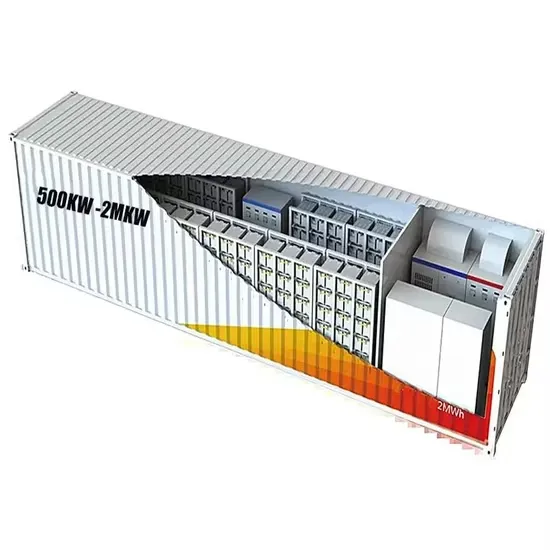
Solar energy storage cabinet system equipment project
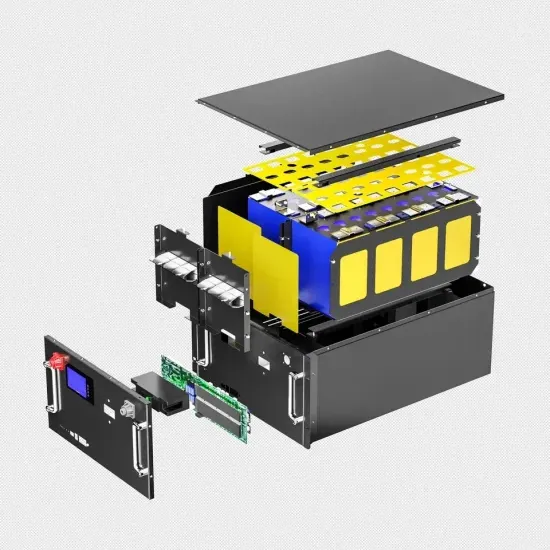
This guide explores proven methods, emerging trends, and critical considerations – perfect for project managers, engineers, and renewable energy developers. solar engineering company perfectly illustrates how E-abel helps partners expand their offerings through tailor-made solar battery storage cabinets, designed to house both inverters and battery systems. Whether for wind farms, solar plants, or industrial facilities, proper installation ensures safety and maximizes ROI. When deployed correctly, these cabinets not only ensure energy availability—they shape how projects. . How can energy storage cabinet systems be optimized for efficiency, scalability, and reliability in modern power applications? Energy storage cabinet system integration [^1] hinges on voltage/capacity configuration [^2], EMS/BMS collaboration [^3], and parallel expansion design [^4] to deliver. . Solar cabinets are specialized enclosures designed to house solar energy systems, such as photovoltaic panels and batteries. Emphasis on the materials used, the design's. . Lithium batteries, as one of the most mature energy storage technologies, combined with cabinets and solar systems, provide efficient energy solutions for various application scenarios.
[PDF Version]
-
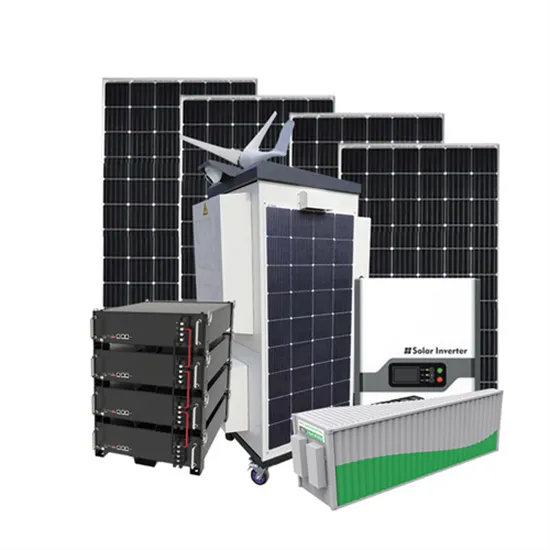
Market price of intelligent photovoltaic energy storage cabinet for power stations
As of 2025, prices range from $0. 86 per watt-hour (Wh) for utility-scale projects, while residential systems hover around $1,000–$1,500 per kWh [4] [6] [9]. But wait—why the wild variation? Let's dive deeper. . Wondering what drives energy storage cabinet equipment prices? This comprehensive guide breaks down cost standards, industry benchmarks, and purchasing strategies for commercial buyers. The Big-Ticket Items:. . The global push towards renewable energy integration is one of the most significant growth factors for the energy storage cabinet market. Download now to stay ahead in the industry! Need more tailored information? Ketan is here to help you find exactly what you need. The photovoltaic grid cabinet. . Each section contains quantitative market data including market by value (US$ Millions), volume (production, consumption) & (K Units) and average price (US$/Unit) by manufacturer, by Type, and by Application. Industrial and Commercial Energy Storage Cabinet Market size was valued at USD 4.
[PDF Version]
-
Three-phase intelligent photovoltaic energy storage battery cabinet for ports
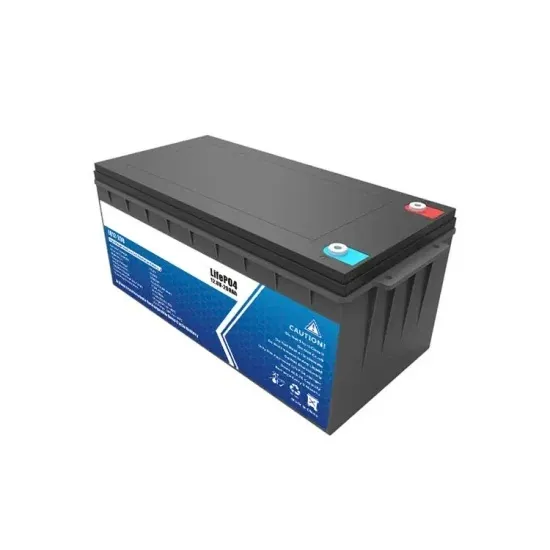
The Cabinet offers flexible installation, built-in safety systems, intelligent control, and efficient operation. It features robust lithium iron phosphate (LiFePO4) batteries with scalable capacities, supporting on-grid and off-grid configurations for reliable energy. . Hybrid inverter + lithium battery for energy storage + MPPT + diesel generator (optional). Maximum support three sets of integrated cabinets in parallel. Intelligent fire prevention device; hot and cold air conditioning, intelligent regulation of internal temperature. BMS battery management system. . The Solis S6-EH3P30K-H-LV series three-phase energy storage inverter is tailored for commercial PV energy storage systems. Equipped with a robust 15kW hybrid inverter and 35kWh rack-mounted lithium-ion batteries, the system is seamlessly housed in an IP55-rated cabinet for enhanced protection. .
[PDF Version]
-
Price of automatic assembly equipment for energy storage cabinet batteries
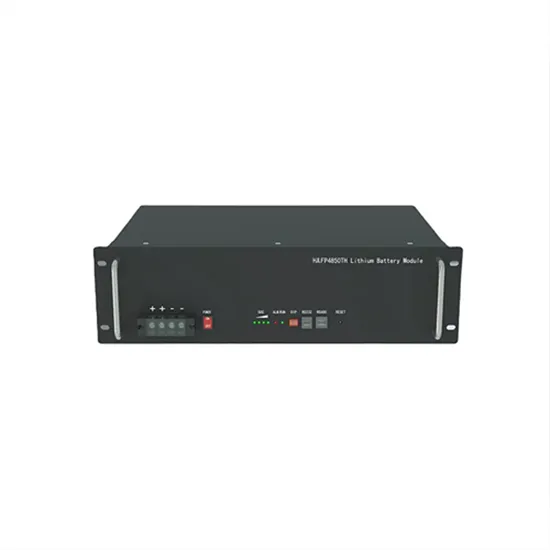
On average, assembling energy storage batteries may range from $300 to $600 per kilowatt-hour (kWh), depending on technological advancements and supply chain dynamics. . Understanding the pricing of energy storage battery cabinet assemblies is critical for businesses seeking reliable power solutions. This article explores cost drivers, industry benchmarks, and actionable strategies to optimize your investment – whether you're managing a solar farm or upgrading. . Laser output power stability (fluctuation) ≤±1%, the focal length of the galvanometer can be digitally displayed and adjusted, the range is -5. 0mm, and the adjustment accuracy is ≤0. 5mm; (5)The welding track is edited by welding software, the welding process is automated, the parameters can be. . The production line mainly realizes the automatic production process of battery packs. Whether you are looking to automate one step of your process or the whole thing, we've got you covered. Designed for optimal performance, safety, and scalability, they ensure seamless integration with BESS. .
[PDF Version]
-
Energy storage cabinet intelligent rechargeable battery price
Wondering how much a modern energy storage charging cabinet costs? This comprehensive guide breaks down pricing factors, industry benchmarks, and emerging trends for commercial and industrial buyers. Whether you're planning a solar integration project or. . Protect your facility and your team with Securall's purpose-built Battery Charging Cabinets —engineered for the safe storage and charging of lithium-ion, lead-acid, and other rechargeable batteries. Securall understands the critical risks associated with modern energy storage. Think of them like smartphones: basic models get the job done, but premium features cost extra. Here's what drives the price tag: Capacity, Baby! A 5kWh system might cost ¥10,000, while a 60kWh beast hits ¥69,000 [1]. Bigger capacity. . The Cabinet offers flexible installation, built-in safety systems, intelligent control, and efficient operation. But which choices stand out in this evolving landscape? Let's find out.
[PDF Version]
-
Ex-factory price of 20mwh intelligent photovoltaic energy storage cabinet for mining
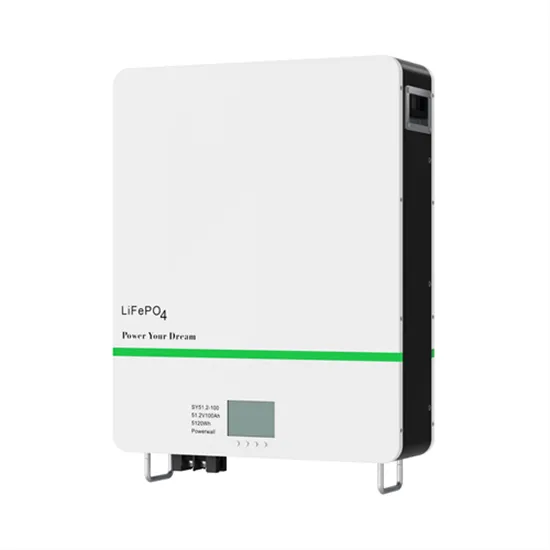
As of most recent estimates, the cost of a BESS by MW is between $200,000 and $420,000, varying by location, system size, and market conditions. This translates to around $150 - $420 per kWh, though in some markets, prices have dropped as low as $120 - $140 per kWh. Key Factors. . These benchmarks help measure progress toward goals for reducing solar electricity costs and guide SETO research and development programs. Market analysts routinely monitor and report. . Remark: Due to space limited, here only show 2 solutions, contact us for other larger or smaller solutions. Data source: IRENA (2025); Nemet (2009); Farmer and Lafond (2016) – Learn more about this data Note: Costs are expressed in constant 2024 US$ per watt.
[PDF Version]
 MENU