
-
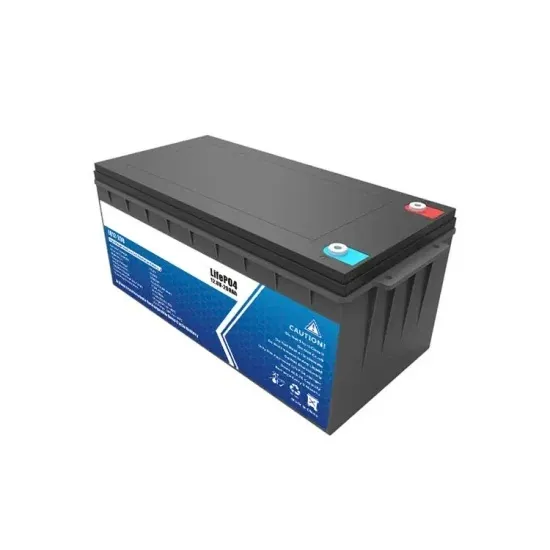
Charging and discharging efficiency of solar container lithium battery solar container energy storage system
Understanding the charging and discharging principles of solar lithium batteries is integral to maximizing the efficiency and lifespan of these energy storage solutions. . How efficient are battery energy storage systems? As the integration of renewable energy sources into the grid intensifies, the efficiency of Battery Energy Storage Systems (BESSs), particularly the energy efficiency of the ubiquitous lithium-ion batteries they employ, is becoming a pivotal factor. . This report describes development of an effort to assess Battery Energy Storage System (BESS) performance that the U. Department of Energy (DOE) Federal Energy Management Program (FEMP) and others can employ to evaluate performance of deployed BESS or solar photovoltaic (PV) +BESS systems. The. . on more than panels and batteries to operate efficiently. Charging occurs when your photovoltaic panels convert sunlight into electricity, then this surplus energy is stored in batteries. Discharging begins when those batteries release stored energy to. . The lithium-ion battery has the characteristics of low internal resistance, as well as little voltage decrease or temperature increase in a high-current charge/discharge state.
[PDF Version]
-
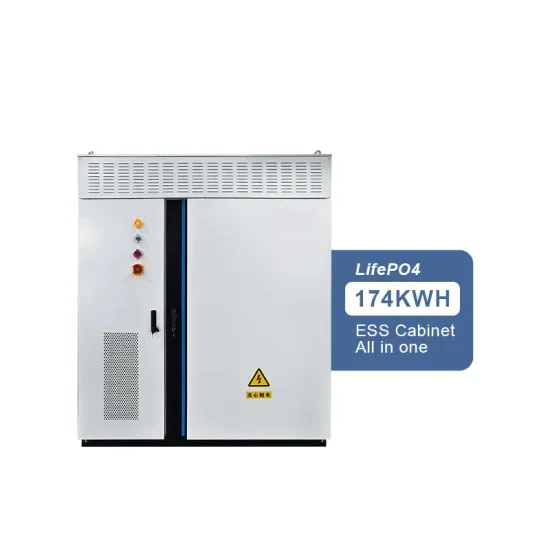
Energy storage equipment solar energy solar container lithium battery 40 degrees
The energy storage system is essentially a straightforward plug-and-play system which consists of a lithium LiFePO4 battery pack, a lithium solar charge controller, and an inverter for the voltage requested. Price for 1MWH Storage Bank is $774,800 each plus freight. . The Containerized Battery Energy Storage Solution (BESS) is an advanced Lithium Iron storage unit built into a customised 20ft or 40ft container. The unit is designed to be fully scalable to meet your storage requirements. Storage size for a containerised solution can range from 500 kWh up to 6. To discuss. . BESS containers are more than just energy storage solutions, they are integral components for efficient, reliable, and sustainable energy management. The system can be used to store electrical energy for commercial, industrial, or grid-scale applications.
[PDF Version]
-
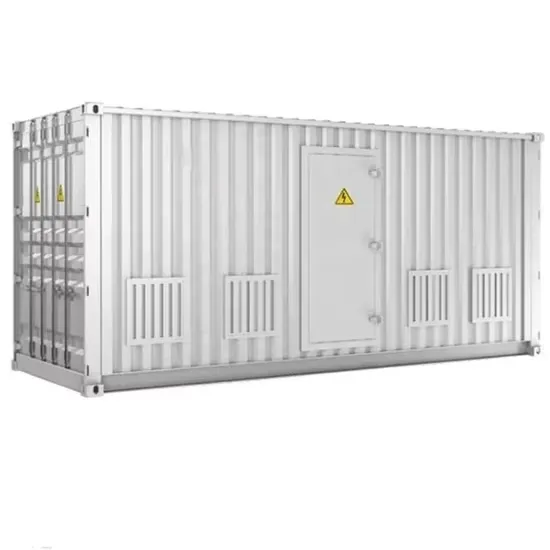
Home appliance energy storage solar container lithium battery
Home energy storage systems are designed to store excess energy generated from renewable sources like solar panels. Lithium-ion batteries, particularly the LFP type, are ideal for residential applications due to their: High safety standards. Technically, it performs three core functions within the home's power ecosystem: Most households generate solar power when they need it least—midday—while consumption peaks in the evening. Another benefit of solar batteries is maximizing your return on solar investments. These advanced systems capture excess solar power during peak production hours and deliver it when you need it most, slashing utility bills while. . As solar energy becomes increasingly popular among homeowners, the need for efficient and reliable battery storage systems has grown significantly.
[PDF Version]
-
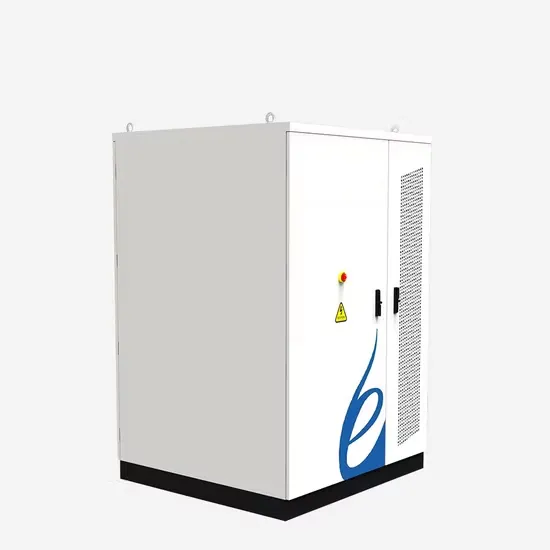
Portugal professional energy storage solar container lithium battery
Our certified specialists provide support for mobile photovoltaic container systems and energy storage container installations across Europe. Battery energy storage systems have become an indispensable core. . As renewable energy adoption accelerates globally, Lisbon emerges as a strategic hub for innovative containerized energy storage systems. This article explores how modular energy storage solutions address grid stability challenges while supporting Portugal's clean energy goals. . pioneered LFP along with SunFusion Energy Systems LiFePO4 Ultra-Safe ECHO 2. Though lower energy density compared to other lithium. . Expert insights on photovoltaic power generation, solar energy systems, lithium battery storage, photovoltaic containers, BESS systems, commercial storage, industrial storage, PV inverters, storage batteries, and energy storage cabinets for European markets Explore our comprehensive photovoltaic. . Investors are shifting from a race to install ever-larger solar fields toward a more nuanced goal: pairing panels and turbines with industrial-scale batteries so the lights stay on when the sun and wind take a break.
[PDF Version]
-
Solar container lithium battery energy storage equipment revenue
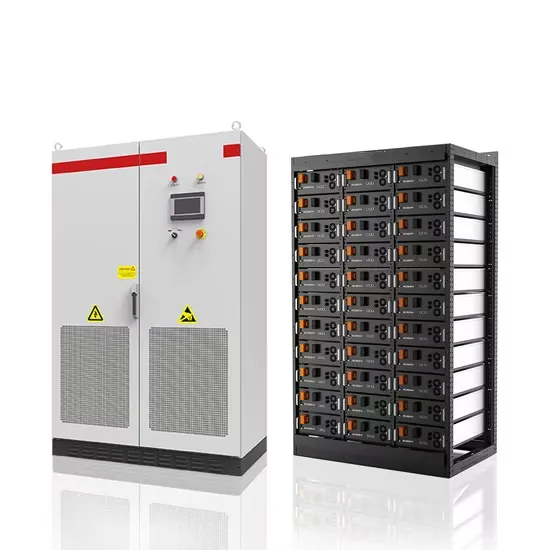
23, 2025 /PRNewswire/ -- The global containerized BESS market is projected to grow from USD 13. 82 billion by 2030, at a CAGR of 20. 9% according to a new report by MarketsandMarkets™. This robust growth is fueled by the increasing integration of renewable energy sources, the rising demand for grid flexibility, and the need for reliable backup. . DELRAY BEACH, Fla. The increasing adoption of solar and wind power creates a need for containerized BESS to balance intermittent generation, stabilize grid. . Container Battery Energy Storage System by Application (Utilities, Commercial, Industrial, Residential, Others), by Types (Lithium Battery, LiFePO4 Battery, Others), by North America (United States, Canada, Mexico), by South America (Brazil, Argentina, Rest of South America), by Europe (United. . Segments - by Product Type (20ft Container, 40ft Container, Customized Container), by Battery Type (Lithium Iron Phosphate, Lithium Nickel Manganese Cobalt Oxide, Others), by Application (Grid Energy Storage, Renewable Integration, Commercial and Industrial, Residential, Others), by End-User. .
[PDF Version]
-
Solar container lithium battery solar container energy storage system prices in Bolivia
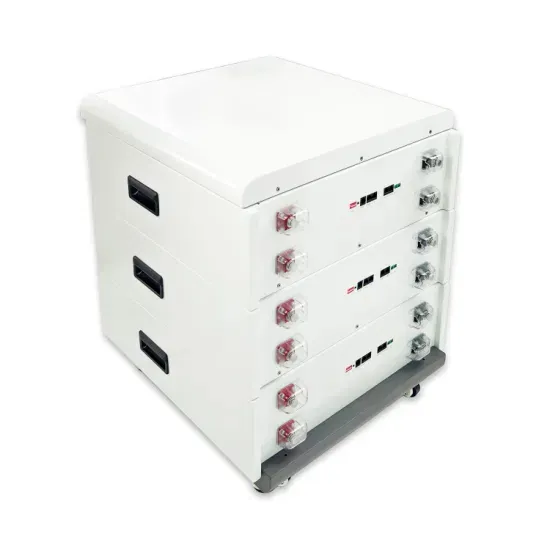
Let's analyze the numbers,the factors influencing them,and why now is the best time to invest in energy storage. $280 - $580 per kWh(installed cost),though of course this will vary from region to region depending on economic levels. . Short version: From 2024, it costs between $2,800 and $5,500 to ship a 20-foot container of solar panels around the world, depending on origin, destination, fuel prices, and demand. Solarcontainer. . Meta Description: Explore battery energy storage system prices in Bolivia, including market trends, key applications, and cost drivers. Current electricity storage system prices range between $280-$420/kWh for commercial applications, influenced by: "Bolivia"s energy storage capacity is projected to grow 300%. . Containerized Battery Energy Storage Systems, or BESS, are modular, scalable energy storage solutions that integrate batteries, PCS, BMS, EMS, and thermal management within a standard container. Here's a realistic look at the costs you can expect in 2025: The Heart: 10kWh LiFePO4 Battery: Expect to. . How much does lithium cost in Bolivia? Although the contracts estimate a lithium price of $30,000 per ton, Alarcon noted that a price of at least $10,000 — more or less where prices are now — is necessary to ensure the plants' commercial viability. But Bolivia's track record of lithium development. .
[PDF Version]
 MENU