
-
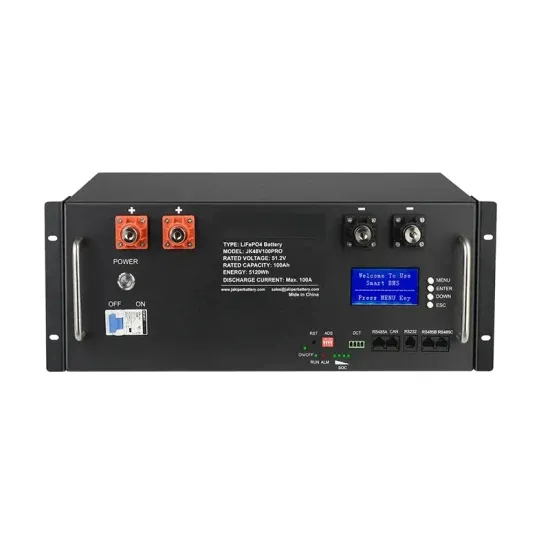
The power supply for solar container communication stations is changed to the State Grid
Remote power for off-grid locations: Highlight the ability of solar containers to provide electricity to remote communities, mining sites, and oil rigs without extensive infrastructure. . Uninterrupted power supply for photovoltaic 5g communication base stations Base station operators deploy a large number of distributed photovoltaics to solve the problems of high. A UPS differs from an auxiliary or or in that it will provide near-instantaneous protection from input power interruptions, by. . The solution adopts new energy (wind and diesel energy storage) technology to provide a reliable guarantee for the stable operation of communication base stations. What is LZY solar storage? LZY offers large,compact,transportable,and rapidly deployable solar storage containersfor reliable energy. . By Zhang Hongguan &Zhang Yufeng Uninterrupted power supply for remote base stations has been a challengesince the founding of the wireless industry,but alternative sources have a chance of succeeding where traditional solutions have failed. How does a solar power supply work? Solar or power grid. . The electricity supply chain consists of three primary segments: generation, where electricity is produced; transmission, which moves power over long distances via high-voltage power lines; and distribution, which moves power over shorter distances to end users (homes, businesses, industrial sites. .
[PDF Version]
-
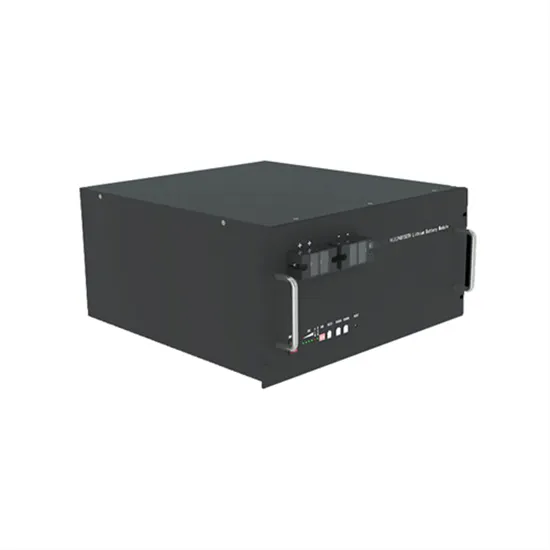
Photovoltaic Containerized Long-Term Solar Energy Storage vs Power Grid
From portable units to large-scale structures, these self-contained systems offer customizable solutions for generating and storing solar power. In this guide, we'll explore the components, working principle, advantages, applications, and future trends of solar energy . . The AES Lawai Solar Project in Kauai, Hawaii has a 100 megawatt-hour battery energy storage system paired with a solar photovoltaic system. Sometimes two is better than one. Coupling solar energy and storage technologies is one such case. The reason: Solar energy is not always produced at the time. . For solar-plus-storage—the pairing of solar photovoltaic (PV) and energy storage technologies—NLR researchers study and quantify the economic and grid impacts of distributed and utility-scale systems. Energy storage systems (ESS) store excess energy for later use, functioning like rechargeable batteries.
[PDF Version]
-
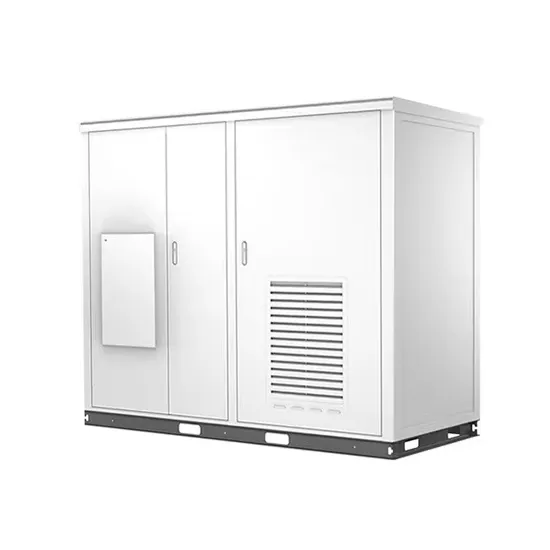
Ecuadorian solar telecom integrated cabinet inverter grid connection
Integrates solar input, battery storage, and AC output in a compact single cabinet. Offers continuous power supply to communication base stations—even during outages. Remote diagnosis, performance tracking, and fault alerts through intelligent BMS. . A Grid-connected Photovoltaic Inverter and Battery System for Telecom Cabinets effectively addresses this need. As Architects of ContinuityTM, Vertiv solves the most important challenges facing today's data centers, communication networks and commercial and industrial facilities with a portfolio of power, cooling and IT infrastructure solutions and services that extends from the. . By the end of 2023, Ecuador's power grid installed capacity is 8. 9 million kilowatts, of which hydropower accounts for 62. Versatile capacity models from 10kWh to 40kWh to. . Large hybrid off-grid or microgrid systems offer a more sustainable and affordable AC power solution when compared to the power supplied only from a diesel generator.
[PDF Version]
-
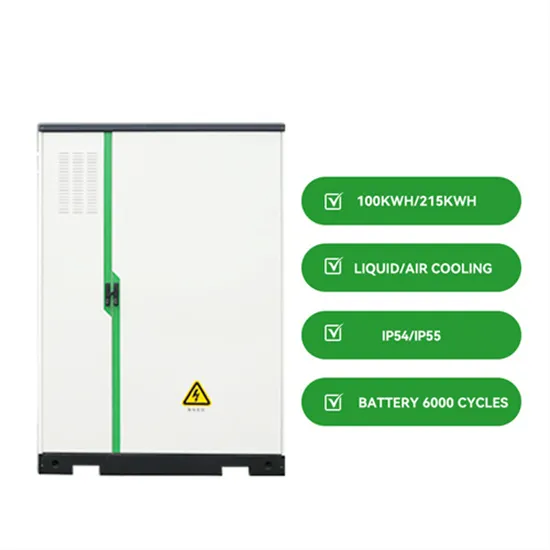
Does solar grid connection require a combiner box
In general, most household solar panel setups do not need a solar combiner box. Solar combiner boxes are required for those that have more than three solar panels in a system. This device plays a significant role in both residential and commercial solar installations, particularly when. . A combiner box merges multiple PV strings into one safe DC output, adds over-current fuses or breakers, includes surge (SPD) protection, and can add monitoring. It makes wiring tidy, serviceable, and safer. By using a combiner. . This often leads to a common question in DIY solar wiring: is a combiner box really necessary? For small systems, the answer isn't always a simple yes or no.
[PDF Version]
-
Distributed network solar telecom integrated cabinet inverter grid connection
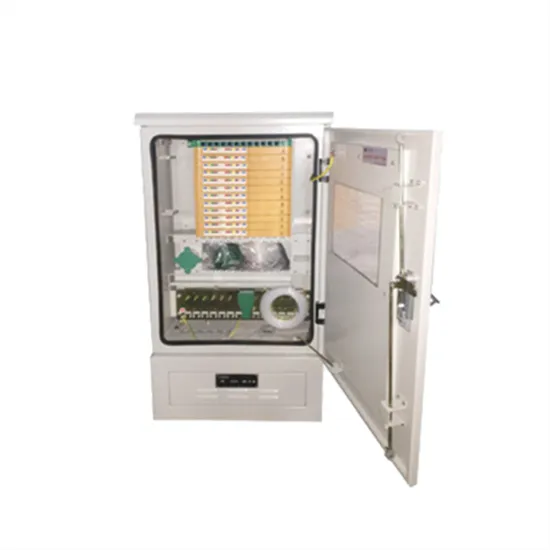
Integrates solar input, battery storage, and AC output in a compact single cabinet. . A Grid-connected Photovoltaic Inverter and Battery System for Telecom Cabinets effectively addresses this need. These systems convert sunlight into electricity, promoting energy savings and operational efficiency. For instance, poly panels can generate 240 W for $168, making them a cost-effective. . Delivers a total integrated energy management solution with remote monitoring In this hyper-connected, technology dependent world, you can't aford for your critical network infrastructure to go down. The success of your business depends on it. Vertiv's team of experts brings together a global. . This article examines the modeling and control techniques of grid-connected inverters and distributed energy power conversion challenges. Offers continuous power supply to communication base stations—even during outages. Remote diagnosis, performance tracking, and fault alerts through intelligent BMS.
[PDF Version]
-
Solar power grid connection maintenance
Annual maintenance should include comprehensive inspections of mechanical and electrical connections, source circuit voltages and currents, battery electrolytes (if applicable), and the programming of charge controllers and inverters. . Connecting solar panels to the electrical grid is one of the most effective ways to maximize your solar investment while maintaining reliable power. Grid-tied solar systems allow you to use solar energy during the day, sell excess power back to the utility through net metering, and draw from the. . It is designed for technicians, small and medium-sized enterprises (SMEs) proprietors, and ordinary consumers. This includes checking inverters, charge controllers, PV arrays, and battery banks on a scheduled basis. By conducting routine maintenance tasks like inspecting for faults, cleaning components, and. . This paper reviews recent progress in fault detection, reliability analysis, and predictive maintenance methods for grid-connected solar photovoltaic (PV) systems. Through this discussion, we aim to. . utside the building, use wire with weather-resistant insulation. This should only be done with a dry an PV modules with plain water or mild dishwashing detergent.
[PDF Version]
 MENU