
-
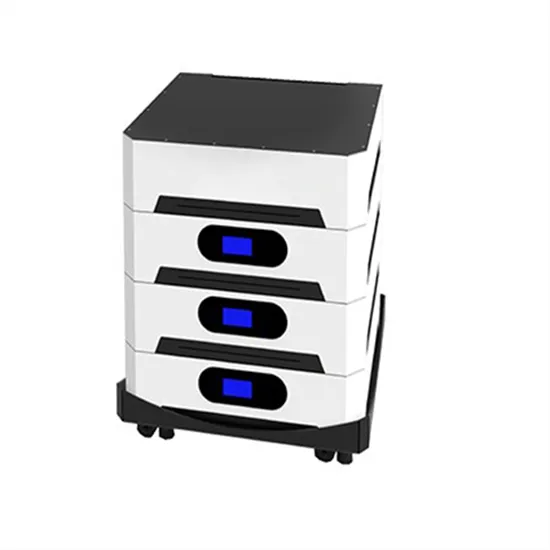
Efficiency of industrial and commercial solar energy storage cabinet systems
Discover how energy storage cabinets reduce peak demand charges, boost grid resilience, and deliver 28%+ savings on commercial energy bills. Learn about ROI, incentives, and scalability. Get your free feasibility assessment today. . In today's rapidly evolving energy landscape, industrial and commercial sectors are increasingly relying on energy storage solutions to enhance operational efficiency, reduce energy costs, and contribute to sustainability efforts. Part 1 will cover the fundamentals of these clean energy technologies — their use cases and benefits — and will dive into financi g options and tax incentives that ensure positive returns on projects. Global industrial energy storage is projected to grow 2. The EPA reported back in 2023 that commercial buildings typically throw away around 30% of their total energy usage. With LFP battery technology, advanced EMS and PCS, it enables real-time monitoring, smart schedule, and seamless integration with solar PV. . As renewable energy adoption accelerates globally, energy storage cabinet industrial design has become critical for industries ranging from solar power systems to smart grid infrastructure.
[PDF Version]
-
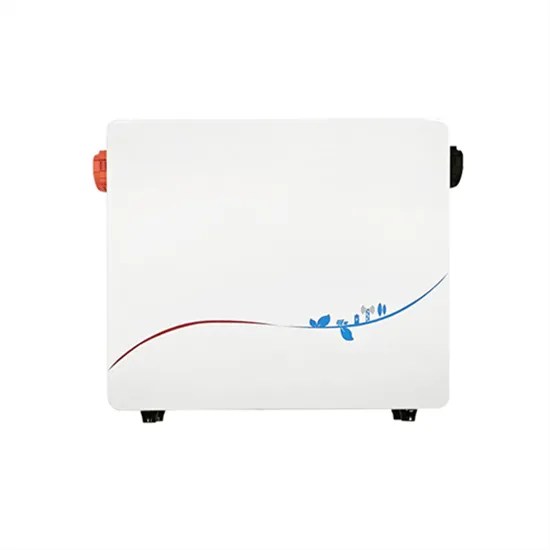
Application of solar plus energy storage
Energy storage can provide multiple grid services. It can support grid stability, shift energy from times of peak production to peak consumption, and reduce peak demand. Solar-plus-storage shifts some of the solar system's output to evening and night hours and provides other. . This blog post will explain the terminology around solar-plus-storage, how many solar-plus-storage systems are in the country, and what they cost. Solar panels have one job: They collect sunlight and transform it into electricity. That's. . For solar-plus-storage—the pairing of solar photovoltaic (PV) and energy storage technologies—NLR researchers study and quantify the economic and grid impacts of distributed and utility-scale systems. This integration allows solar energy to be stored for use during times when the sun is not shining, such as at night or during. . These systems are not just tools for households and businesses to reduce electricity costs—they are essential for grid stability, energy independence, and achieving net-zero carbon goals.
[PDF Version]
-
Companies providing user-side solar energy storage cabinet systems
Which manufacturers are there for energy storage cabinets? 1. . One of our recent projects with a leading U. solar engineering company perfectly illustrates how E-abel helps partners expand their offerings through tailor-made solar battery storage cabinets, designed to house both inverters and battery systems. Our client, a reputable solar engineering service. . AZE's all-in-one IP55 outdoor battery cabinet system with DC48V/1500W air conditioner is a compact and flexible ESS based on the characteristics of small C&I loads. Maximize solar energy usage, reduce energy bills, and ensure reliable backup power. Discover advanced inverters, customizable battery capacities, and. . Whether you're a small business or a larger enterprise, our Solar Battery Storage Cabinet is tailored to optimize your energy storage.
[PDF Version]
-
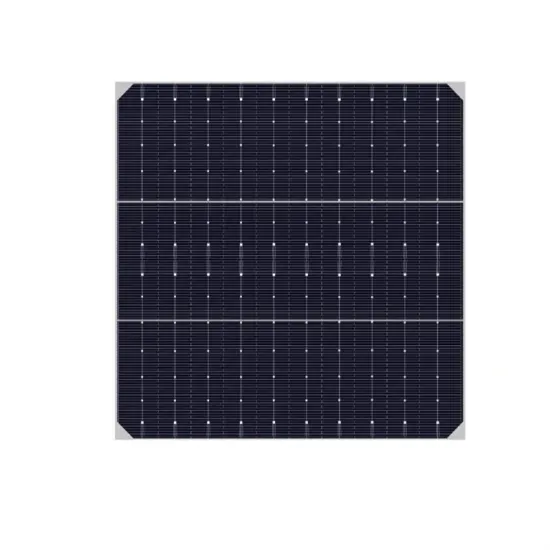
Do solar energy storage systems require batteries
No, solar panels do not require battery storage for optimal performance. Battery storage allows homeowners to store excess energy generated during the day for use at night or during cloudy weather. . This leads to a common question: Can I install solar without in-home battery storage? The short answer is yes: You can absolutely use solar panels without battery storage. In fact, the majority of residential solar installations in the U. are “grid-tied” systems without batteries (although solar. . Residential solar energy systems paired with battery storage—generally called solar-plus-storage systems—provide power regardless of the weather or the time of day without having to rely on backup power from the grid. Check out some of the benefits. But before buying one, you should know both the good and the bad sides. Here's what they cost, how they work and when they're worth it The Independent Home Channel is powered by Octopus Energy.
[PDF Version]
-
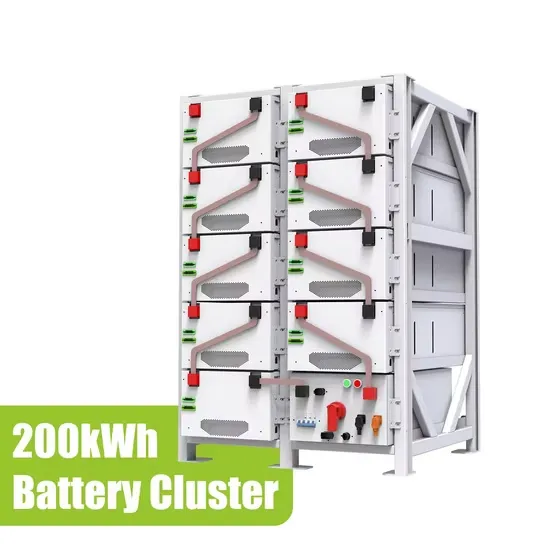
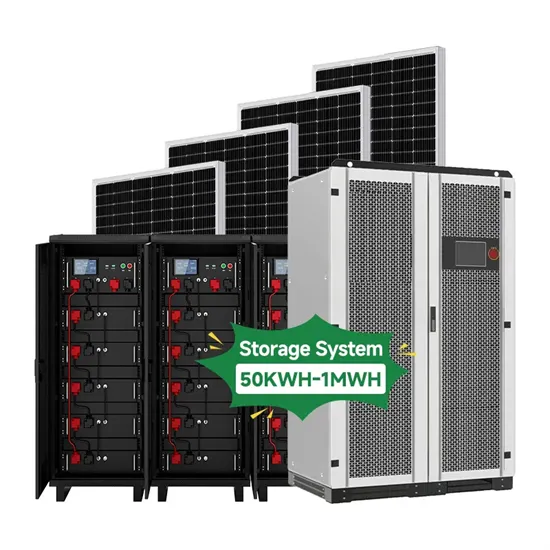
Solar plus energy storage package
A solar plus storage system combines solar panels for electricity generation with battery energy storage, allowing excess energy to be stored for later use. Without storage, most solar power systems shut down during. . This blog post will explain the terminology around solar-plus-storage, how many solar-plus-storage systems are in the country, and what they cost. Solar panels have one job: They collect sunlight and transform it into electricity. But they can make that energy only when the sun is shining. This is called a solar-plus-storage system. This. . For solar-plus-storage—the pairing of solar photovoltaic (PV) and energy storage technologies—NLR researchers study and quantify the economic and grid impacts of distributed and utility-scale systems.
[PDF Version]
-
Classification of power station solar container energy storage systems
These fundamental energy-based storage systems can be categorized into three primary types: mechanical, electrochemical, and thermal energy storage. They help balance the ups and downs of renewable. . Ever wondered how your solar-powered nightlight stays bright when the sun clocks out? Enter energy storage power stations - the unsung heroes quietly revolutionizing how we store and use electricity. With global renewable energy capacity projected to grow 75% by 2027 (that's like adding another. . A Containerized Energy Storage System (ESS) is a modular, transportable energy solution that integrates lithium battery packs, BMS, PCS, EMS, HVAC, fire protection, and remote monitoring systems within a standard 10ft, 20ft, or 40ft ISO container. Engineered for rapid deployment, high safety, and. . are several approaches to classifying energy storage systems. Pre-fabricated containerized solutions now account for approximately 35% of all new utility-scale storage deployments worldwide. North America leads with 40% market. . The solution adopts Elecod 125kW ESS power module and supports 15 sets in parallel in on-grid mode and 4 sets in parallel in off-grid mode. IP65 protection level, undaunted by high altitude or high salt fog. Compatible with battery cabinets of mainstream battery manufacturers in the market, battery. .
[PDF Version]
 MENU