
-
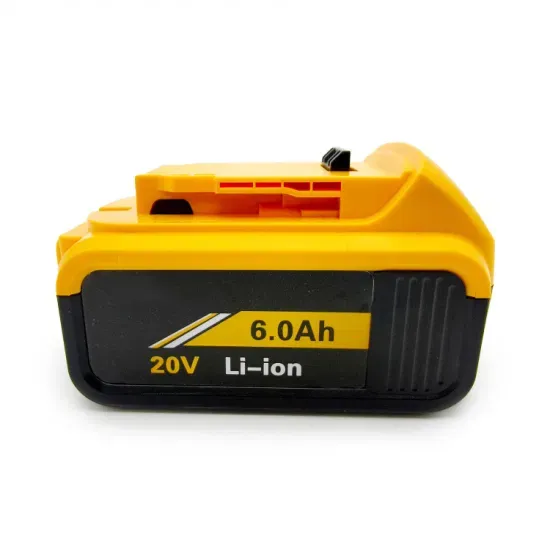
Solar container lithium battery Energy Storage 2025
In this work we describe the development of cost and performance projections for utility-scale lithium-ion battery systems, with a focus on 4-hour duration systems. The projections are developed from an analysis of recent publications that include utility-scale storage costs. The suite of. . Battery Storage Costs Have Reached Economic Viability Across All Market Segments: With lithium-ion battery pack prices falling to a record low of $115 per kWh in 2024—an 82% decline over the past decade—energy storage has crossed the threshold of economic competitiveness. Utility-scale systems now. . According to China Report Hall's *2025-2030 China Energy Storage Industry Market Analysis and Prospect Forecast Report*, the past two years have seen structural cost declines in battery production. Phosphate iron lithium battery prices per watt-hour have decreased by approximately 45% since early. . According to data made available by Wood Mackenzie's Q1 2025 Energy Storage Report, the following is the range of price for PV energy storage containers in the market: Battery Type: LFP (Lithium Iron Phosphate) batteries are expected to cost 30% less than NMC (Nickel Manganese Cobalt) batteries by. . Developers and power plant owners plan to significantly increase utility-scale battery storage capacity in the United States over the next three years, reaching 30. 0 gigawatts (GW) by the end of 2025, based on our.
[PDF Version]
-
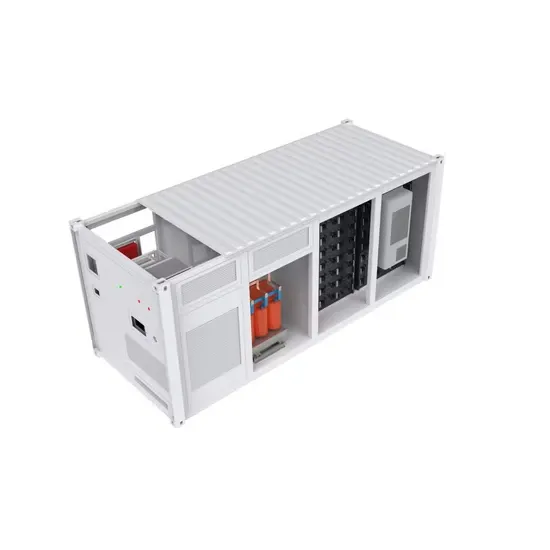
Battery solar energy storage cabinet system for solar telecom integrated cabinets in 2025
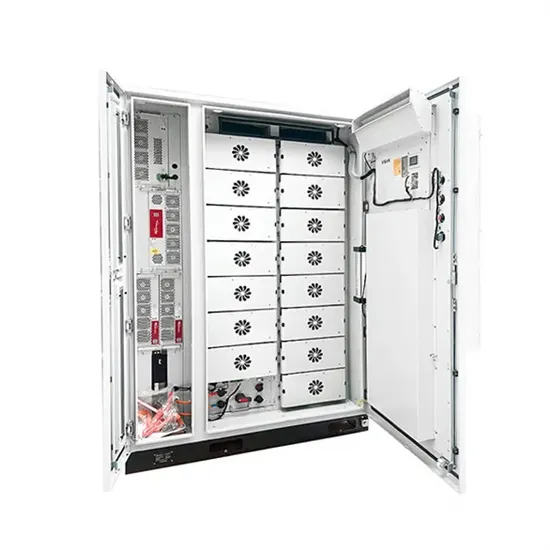
Featuring lithium-ion batteries, integrated thermal management, and smart BMS technology, these cabinets are perfect for grid-tied, off-grid, and microgrid applications. Explore reliable, and IEC-compliant energy storage systems designed for renewable integration, peak shaving, and backup power. Continuous power availability ensures network uptime and service quality in remote locations, even during grid failures or low sunlight. By integrating solar modules. . The Solar Power and Battery Cabinet is an all-in-one outdoor energy solution that combines solar charging, energy storage, and power distribution in a weatherproof enclosure. Designed for remote locations, it integrates solar controllers, inverters, and lithium battery packs to ensure stable and. . Enter the PV storage cabinet: a fully integrated enclosure that brings together lithium battery packs, hybrid inverters, energy management protocols, and safety systems into one scalable solution. As a professional manufacturer in China, produces both. .
[PDF Version]
-
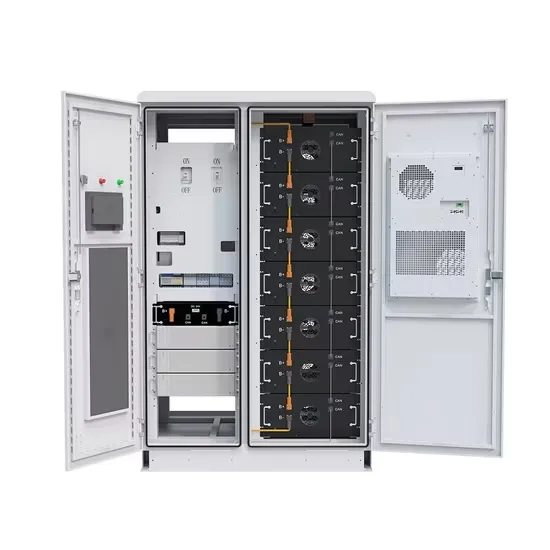
Xiaomi develops solar panel energy storage
The Chinese multinational Xiaomi has launched a new product on the market capable of generating solar energy anywhere. . As global renewable energy demand surges by 18% year-over-year (2025 GreenTech Market Report), Xiaomi Photovoltaic Panel Company has emerged as an unlikely disruptor. With its 100W consumer solar panels selling over 500,000 units since 2022 and massive 16. 2MW factory installations reducing CO2. . The Xiaomi energy storage power system represents a transformative approach to managing energy consumption, aiming to enhance efficiency and sustainability. Renewable energy integration, 3. Discover its key features, market trends, and why it's a game-changer for sustainable living.
[PDF Version]
-
The difference between solar curtain wall and solar panel curtain wall
Summary: Photovoltaic (PV) systems and curtain wall construction are two distinct building technologies with unique roles in modern architecture. This article explores their differences. . Curtain walling refers to a non-structural cladding system made from fabricated aluminum, commonly used on the outer walls of tall multi-storey buildings. This lightweight material offers ease of installation and can be customized to be glazed, opaque, or equipped with infill panels. The aluminum. . The role of a solar curtain wall is multifaceted, encompassing various benefits such as energy efficiency, thermal regulation, and aesthetic enhancement. These panels are installed onto the façade of a building and serve both as a renewable energy source and as a means of reducing solar heat gain and glare within. . The photovoltaic curtain wall (roof) system is a comprehensive integrated system combining multiple disciplines such as photoelectric conversion technology, photovoltaic curtain wall construction technology, electrical energy storage and grid-connected technology.
[PDF Version]
-
Travel High Power solar Panel
Harnessing the sun's energy efficiently requires top-tier solar panels that combine power, durability, and portability. . Why We Recommend It: This model combines high-efficiency US solar cells with up to 23. 5% conversion, ensuring quick charging in minimal sunlight. It features two USB ports and one DC output, supporting multiple devices simultaneously. Included is a comparison table highlighting key model specs to help you choose the. . Whether you're planning a remote camping trip or setting up a sustainable home system, today's solar technology delivers more power in smaller, lighter packages. From compact 40W units to robust 450W powerhouses, these seven top performers showcase the latest innovations in solar charging – and. . I've looked at the DOKIO 100W foldable kit delivering 90–150W in direct sun, the 30W foldable with DC/Type-C/USB/QC3. 0 outputs and built-in sun-tracking, and the ECO-WORTHY 10 kW kit with a 20. In tests, I'd simulate RVs, tents, and cabins, push-to-limit. . The sun powers our world, and with the right portable solar panel, it can also power your outdoor adventures or home emergency set up. I've tested dozens of models from top brands like Bluetti, Jackery, Anker, Goal Zero, EcoFlow, and BioLite, and have come away impressed with their power generation. .
[PDF Version]
-
The thinner the solar glass panel the better
Ultra-thin glass offers superior durability and lightweight properties for solar panels, enhancing installation flexibility and reducing overall system weight. If you're buying solar panels from overseas, knowing about thickness can save you headaches and money. While thinner glass can offer benefits like reduced weight and potentially lower costs, there are significant trade-offs that need to be carefully considered: Reduced. . Solar panel glass thickness directly impacts durability, efficiency, and ROI for commercial and residential installations. You might assume thicker glass is always better—after all, it should offer. .
[PDF Version]
 MENU