
-
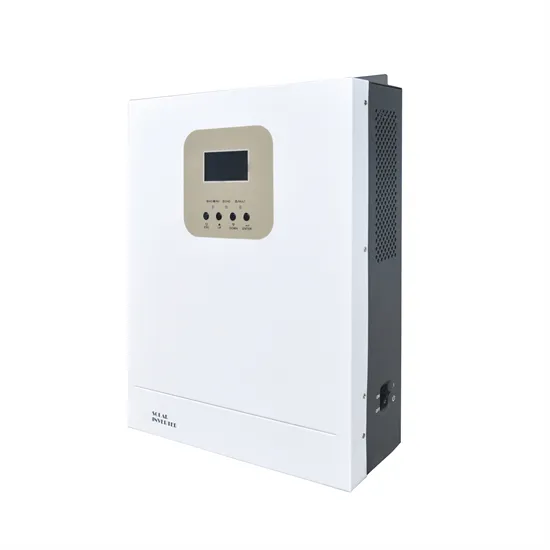
Ems energy storage management system solar access
• AI algorithms trained on GW-scale renewable portfolios. • Local/cloud O&M for maximum uptime. • Real-time. . An Energy Management System (EMS) is an intelligent control platform that monitors, optimizes, and manages the flow of energy within a solar power system or hybrid renewable setup. EMS ensures that the energy system operates efficiently, reduces energy wastage, and maximizes cost-effectiveness. In 2025, as organizations face increasing pressure to reduce costs and meet. .
[PDF Version]
-
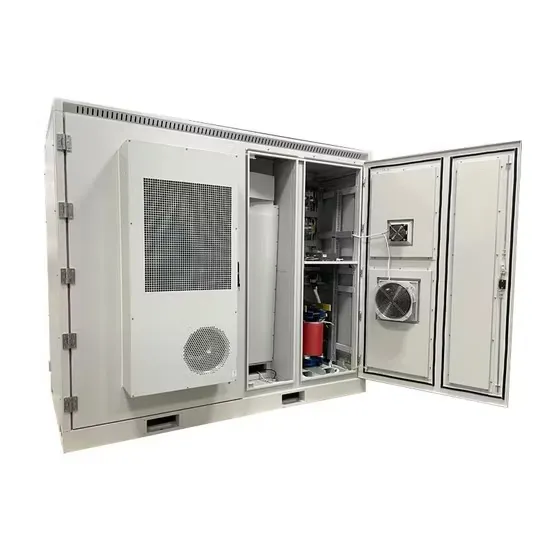
Price of IP54 Communication Power Supply Cabinet for Distributed Energy Use
Find your ip54 electric cabinet easily amongst the 9 products from the leading brands (Edit Elektronik, Raycap, ZPAS,. ) on DirectIndustry, the industry specialist for your professional purchases. This cabinet is the ideal solution. Universal industrial cabinets designed for both outdoor and indoor. . The Base Station Energy Cabinet is a fully enclosed, weather-resistant telecom energy cabinet designed to provide reliable power distribution and battery backup for outdoor communication networks. This enclosure offers protection against dust and water ingress. . A steel IP54 distribution electric cabinet serves the purpose of protecting electrical equipment and is based on a very specific international protection code defined by the IP code. Built-in HMI display screen for hands-on or remote monitoring and control. The main circuit adopts a 400A rated Chint NXM5-400S molded case circuit breaker (breaking capacity up to. .
[PDF Version]
-
Energy storage bms system software
HybridOS Control BMS is a U. -engineered software solution delivering unmatched security and performance for utility-scale, commercial and industrial battery energy storage systems. Easily monitor your system and see real-time data and alerts for any faults or issues detected. Further, the foxBMS Roadmap and the foxBMS Documentation. . Optimize battery energy storage system (BESS) operations with field-proven energy management system (EMS) technology. A BMS governs critical functions such as cell. . Solutions enabling the development of more efficient, longer-lasting, and more reliable battery-powered applications Infineon's battery management solutions and reference designs for automotive or industrial and consumer applications help you lay out your battery management system to perfectly fit. . A battery management system acts as the brain of an energy storage setup. They need to be managed properly to ensure they work efficiently, last a long time, and most importantly, are safe.
[PDF Version]
-
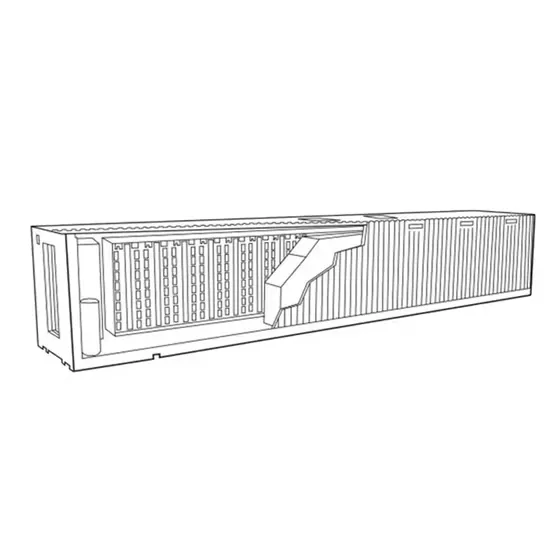
Energy companies use photovoltaic folding containers for earthquake resistance
This article examines the role of solar containers in earthquake response, their deployment benefits, and field deployments of how they provide clean and reliable power when it's needed. What Is a Solar Container in Emergency Response? A solar container is. . The "foldable module system + container" model, with its advantages of portability, efficiency and environmental friendliness, has become a key tool for addressing the uneven distribution of energy and emergency needs, promoting the global energy transition. It's more than just a temporary fix; it's a testament to modern engineering. . High-efficiency Mobile Solar PV Container with foldable solar panels,advanced lithium battery storage (100-500kWh) and smart energy management. Ideal for remote areas,emergency rescue and commercial applications. Fast deployment in all climates. This design methodology for assessing the structural adequacy of separate solar arrays under seismic load is studied.
[PDF Version]
-
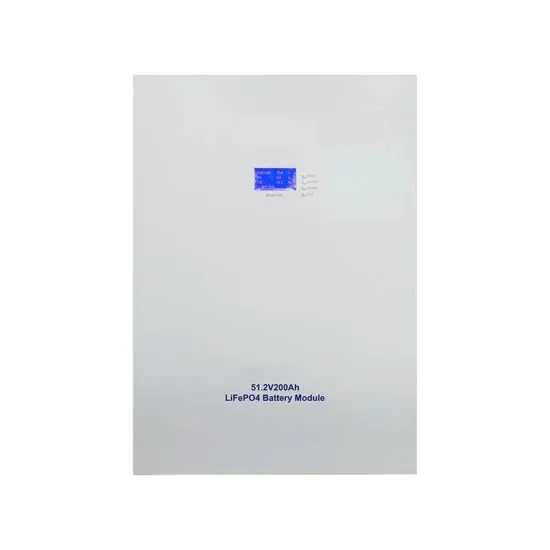
Three solar-powered communication cabinets in singapore use hybrid energy
Solar modules help 5G telecom cabinets cut grid electricity costs by up to 30%, lowering operating expenses and reducing diesel fuel use. Hybrid energy systems combine solar power, batteries, and grid or diesel backup to ensure reliable, continuous operation. . Multi-energy complementary systems combine communication power, photovoltaic generation, and energy storage within telecom cabinets. These systems optimize capacity and energy use, improving reliability and efficiency for Telecom Power Systems. This dependency not only contributes to carbon emissions but. . th their business needs. As Architects of ContinuityTM, Vertiv solves the most important challenges facing today's data centers, communication networks and commercial and industrial facilities with a portfolio of power, cooling and IT infrastructure solutions and services that extends from the. . To cope with the problem of no or difficult grid access for base stations, and in line with the policy trend of energy saving and emission reduction, Huijue Group has launched an innovative base station energy solution. The solution adopts new energy (wind and diesel energy storage) technology to. . Enter hybrid energy systems—solutions that blend renewable energy with traditional sources to offer robust, cost-effective power.
[PDF Version]
-
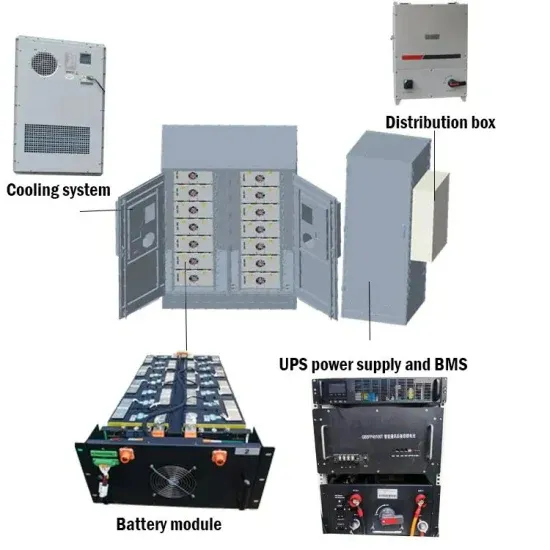
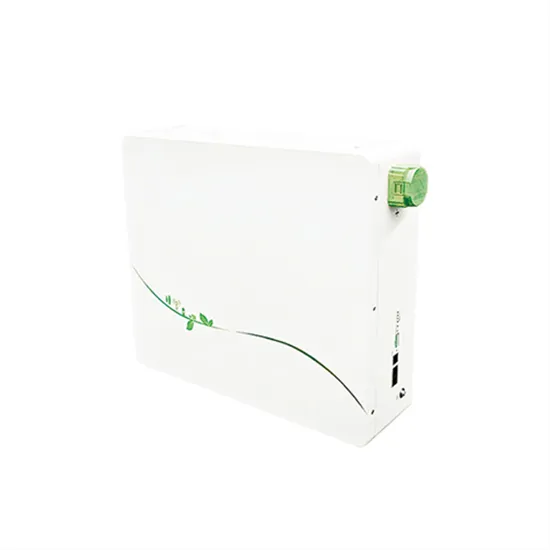
How much does energy storage photovoltaic cost for home use
In 2025, the average solar battery system costs between $12,000-$18,000 before incentives – that's cheaper than most luxury cars but still requires smart shopping. The global energy storage market, now worth $33 billion [1], is reshaping how we. . Let's cut through the jargon. This work has grown to include cost models for solar-plus-storage systems. NLR's PV cost benchmarking work uses a bottom-up. . Solar battery costs vary by brand and capacity, and there are several other expenses associated with home energy storage. Here is a cost breakdown of a typical home solar battery installation: Battery: Most home solar batteries cost around $5,000 to $7,000 each, and installations can include. . Each year, the U. solar photovoltaic (PV) systems to develop cost benchmarks. Here's your no-nonsense guide to. .
[PDF Version]
 MENU