
-
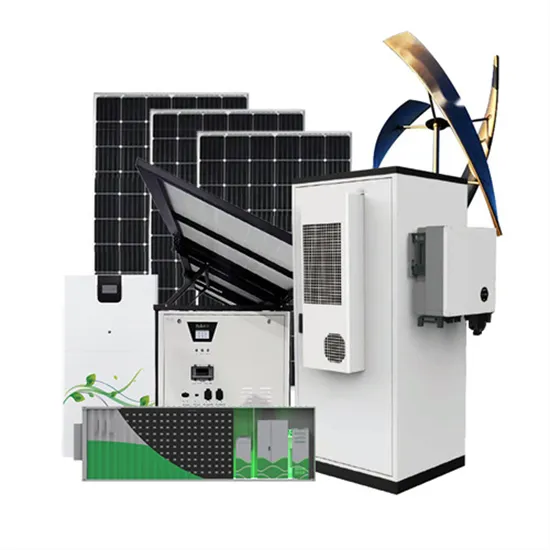
Automatic production of home energy storage
Discover how residential energy storage systems can help you save money on your electric power bills and significantly reduce your reliance on non-renewable energy sources. In this article, we'll explore how these innovative systems work and the different types that are made. . As the world shifts toward renewable energy, home energy storage systems (HESS) have become crucial for energy independence, cost savings, and environmental sustainability. LondianESS, a premier manufacturer of cutting-edge energy storage solutions, stands at the forefront of this revolution. At the same time, the EP Cube can also recharge from the grid when utility prices are low, helping you save on electricity costs. We'll also. . At JR Automation, our capabilities extend far beyond battery module and EV powertrain assembly. But more importantly, we're here to help build a better, more. . Federal Tax Credit Changes Imminent: The House has passed legislation to eliminate the 30% residential solar and storage tax credit for third-party financed systems, though systems installed by December 31, 2025 will still qualify for the full credit. Technology Leadership Shift: While Tesla. .
[PDF Version]
-
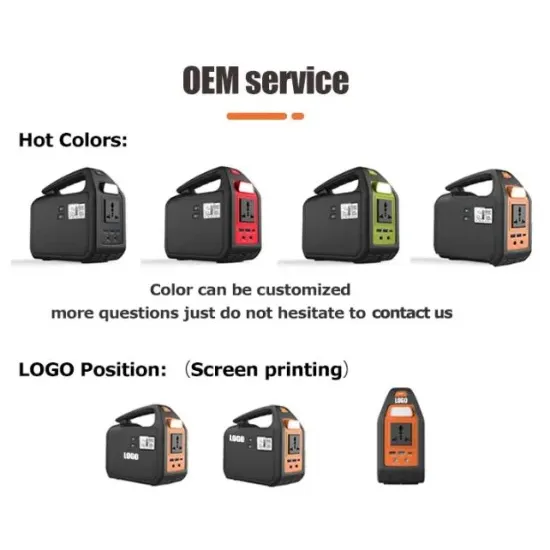
Congo Brazzaville home energy storage system prices
Prices vary, but recent projects range from $280–$420 per kWh installed. How long do batteries typically last? Modern lithium-ion systems maintain 80% capacity after 10–15 years. . This guide breaks down pricing factors, market trends, and smart buying strategies – perfect for solar developers, mining operators, and urban planners navigating Congo's dynamic energy landscape. Congo's growing renewable sector (particularly solar) needs stable storage solutions. Battery modules. . We, at SolarFeeds, have brought together nearly all the popular solar inverter wholesalers, who offer a large number of inverters at much cheaper pricing compared to the retail market. Construction company China Overseas is set to begin construction of a hydroelectric dam at the. . What are the installation costs for residential energy storage systems in Congo? 1. The major elements influencing these costs include: 1.
[PDF Version]
-
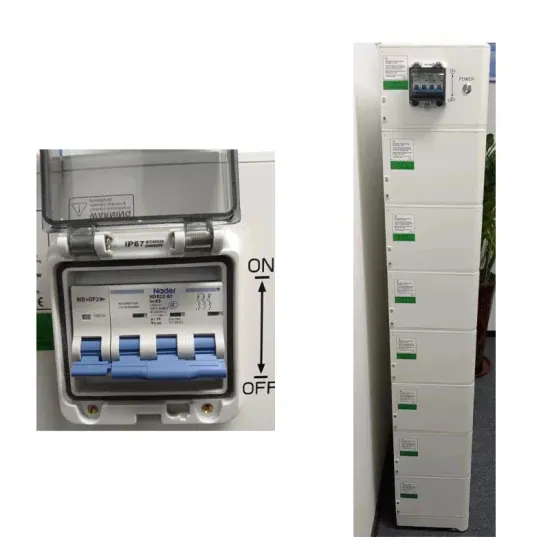
Saudi Arabia s home energy storage batteries
Saudi Arabia is fast-tracking its battery storage expansion under the National Renewable Energy Program, aiming for 48 GWh of storage capacity by 2030. Already, 26 GWh worth of projects have been tendered, spanning various development phases. 693 billion in revenue by 2030, growing at a 35. This rapid expansion is driven by the country's recent achievement of securing a position among the top ten global energy storage markets, fueled by large-scale. . Vision 2030's renewable energy targets are driving residential solar-plus-storage installations, with government incentives supporting battery adoption in new housing developments. The Kingdom, through its National Renewable Energy Program led. . Saudi Arabia has embraced utility-scale battery storage to the extent that it now ranks third globally in announced battery storage energy project capacities at 22 gigawatt-hours (GWh), behind only China and the United States (U. This recognition. . Riyadh, February 14, 2025, SPA -- The Kingdom of Saudi Arabia has achieved a leading position among the top ten global markets in the field of battery energy storage, coinciding with the launch of the Bisha Project, which has a capacity of 2000 MWh and is one of the largest energy storage projects. .
[PDF Version]
-
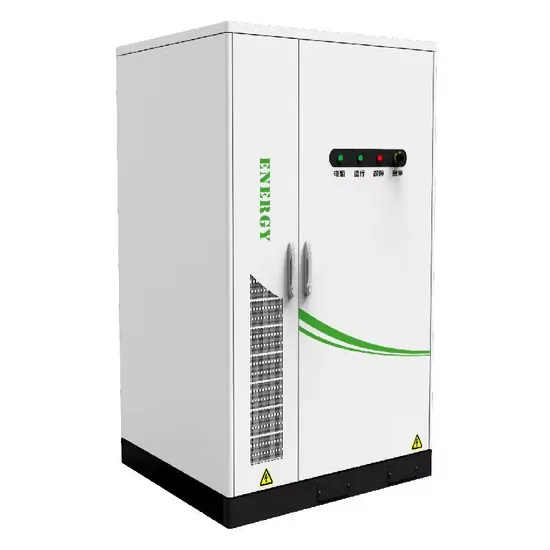
Photovoltaic energy storage charging pile effect diagram
The table shows typical daily EV charging demand, recommended battery storage, and PV system size, with notes for reliability. Battery storage: Recommend ≥1 day autonomy for EV charging. . Distributed photovoltaic storage charging piles in remote rural areas can solve the problem of charging difficulties for new energy vehicles in the countryside, but these storage charging piles contain a large number of power electronic devices, and there is a risk of resonance in the system under. . storage rate during the first charging phase. The energy storage rate q sto per unit pile length is calculated using the equation below: (3) q sto = m ? c w T i n pile-T o u t pile / L where m ? is the mass flowrate of the circulating water; c w is th agram | Various configurations of CAES system. What are the components of PV and storage integrated fast. . In this study, an evaluation framework for retrofitting traditional electric vehicle charging stations (EVCSs) into photovoltaic-energy storage-integrated charging stations (PV-ES-I CSs) to improve green and low-carbon energy supply systems is proposed. How EV charging is controlled? Control and. . Expert insights on photovoltaic energy storage systems, BESS solutions, mobile power containers, EMS management systems, commercial storage, industrial storage, containerized storage, and outdoor power generation for South African and African markets Explore our comprehensive photovoltaic storage. .
[PDF Version]
-
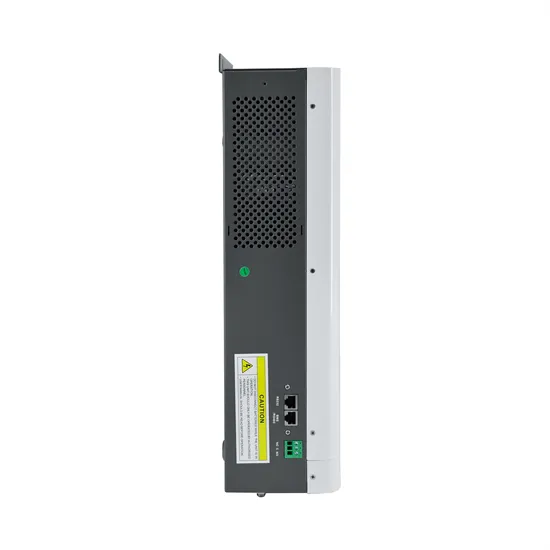
Internal structure diagram of energy storage lithium battery
A lithium-ion battery diagram visually breaks down the core components and electrochemical processes of these ubiquitous energy storage devices. It typically highlights the anode (graphite), cathode (lithium metal oxide), separator, electrolyte, and current collectors. Cathode active materials are the source of lithium-ions and anode active materials host lithium-ions during the charged state.
[PDF Version]
-
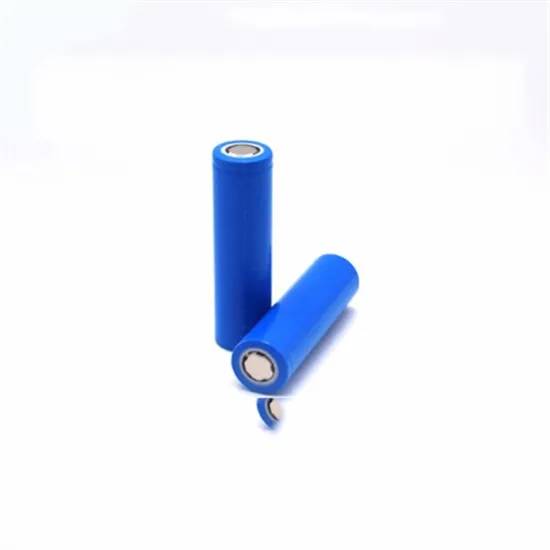
Detailed parameters of home energy storage system
This article will provide a systematic guide from three aspects: analysis of core battery parameters, system configuration principles, and design for typical application scenarios, combining technical principles and engineering practices. Battery Capacity (Ah/kWh) Battery capacity is a core. . Whether it's to ensure backup during outages, optimize solar self-consumption, or reduce electricity bills through peak shaving, the performance and reliability of an energy storage system are largely determined by battery specifications and proper configuration. Right sizing decides if your home can keep key loads running in a blackout. This also affects the full cost over time and lasting strength of your backup. . Home Energy Storage Systems (HESS) are batteries and associated electronics installed in residential buildings for the purpose of storing energy. Installation means pairing these with inverters to seamlessly convert DC to AC power. Energy monitoring tools help you track consumption and optimize efficiency while safety. .
[PDF Version]
 MENU