
-
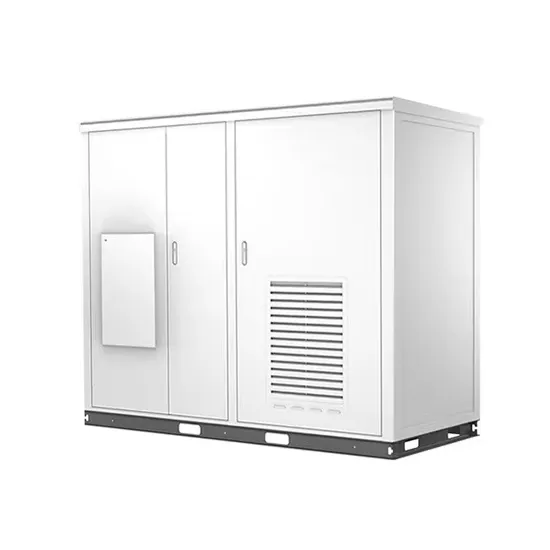
About solar container energy storage system product introduction
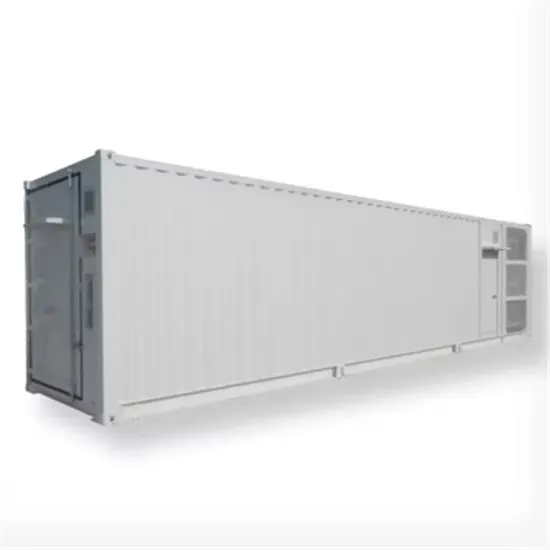
Solar Battery Storage System Container is a versatile energy storage system that can be integrated with various renewable energy sources. CESS is composed of lithium-ion battery modules, power electronics, and thermal management system, all of which are housed in a standard shipping container. It serves as a rechargeable battery system capable of storing large amounts of energy generated from renewable sources like wind or solar power, as well as. . According to the latest Global Energy Storage Outlook from BloombergNEF, the market is projected to expand exponentially, adding hundreds of gigawatts by 2030 to support grid stability and clean energy integration.
[PDF Version]
-
Solar panel leaking installation
Solar panel roof leaks pose a significant concern for homeowners installing photovoltaic systems. This article explains common causes, signs to watch for, inspection best practices, repair choices, and preventative measures to protect roofing integrity while maximizing. . This overview identifies nine critical rooftop mounting mistakes and provides clear, actionable best practices for a secure, leak-proof solar installation. A successful installation begins long before any equipment touches your roof. Skipping. . This article will explore the common causes of roof leaks under solar panels, signs to look out for, and step-by-step solutions to fix the problem.
[PDF Version]
-
Photovoltaic solar panel shifting
It refers to the practice of adjusting when you use electricity in your home or business to coincide with the times when your solar panels are generating the most power. . I's a technique used to reduce energy load by shifting it from peak hours to off-peak hours. First used for power demand regulation in the late 1930s, utilities used the technique to level out the peaks and valleys of. . Load shifting is an important practice when you connect to the incredible resource of solar power, and especially so in our very own sun-soaked Sunshine Coast. An electrical load is any component of an. . During a grid outage, Powerwall effectively establishes grid quality power (120/240 volts at 60 Hz), allowing a nano grid to operate at your home with solar providing power to your loads (during daylight hours) and charge Powerwall as needed.
[PDF Version]
-
Solar panel silicon base
Silicon solar cells can primarily be classified into three categories: monocrystalline, polycrystalline, and amorphous silicon solar cells. Each type exhibits distinctive attributes that affect performance and application, catering to varying energy needs and installation. . The U. Department of Energy (DOE) Solar Energy Technologies Office (SETO) supports crystalline silicon photovoltaic (PV) research and development efforts that lead to market-ready technologies. Below is a summary of how a silicon solar module is made, recent advances in cell design, and the. . At the center of this rapid expansion is silicon-based photovoltaic (PV) technology, which accounted for a staggering 97% of the market in 2023. While emerging photovoltaic technologies like perovskites and organic photovoltaics (OPVs) offer exciting potential in areas where silicon falls. . Silicon solar cells are the dominant technology in the global renewable energy transition, accounting for over 95% of the photovoltaic (PV) market share. These cells dominate the renewable energy sector due to their efficiency and cost-effectiveness. This comprehensive guide explores the intricate. .
[PDF Version]
-
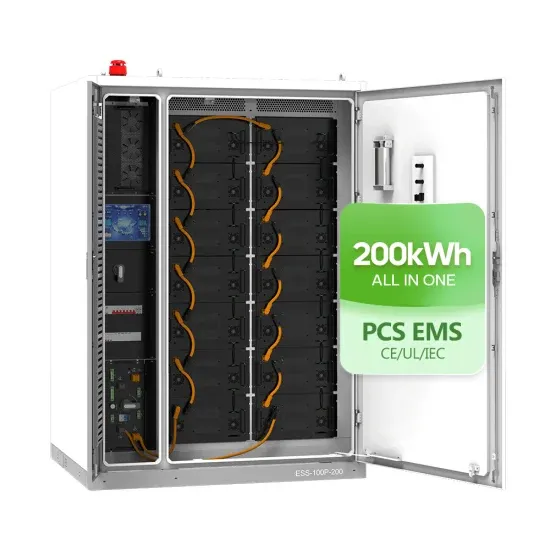
How much electricity can a 275w solar panel generate in a day
On average, a residential solar panel generates between 250 and 400 watt-hours under ideal conditions, translating to roughly 1 to 2 kWh per day for a standard panel. We measure the amount of sun (sun irradiance) with peak sun hours per day. In the US, for example, we get, on a 12-month average, anywhere from 3 peak sun hours (think Alaska) to 7 peak sun hours (think Arizona, New. . Two variables dictate how much energy your solar panels produce: 1. Solar Panel Wattage: Higher-wattage panels generate more kWh. Common sizes include 100W (small setups), 300-400W (residential), and 500W+ (commercial systems). Losses come from inverter efficiency, wiring, temperature, and dirt. Increasing panel count or choosing higher wattage. . The Solar Panel Output Calculator is a highly useful tool so you can understand the total output, production, or power generation from your solar panels per day, month, or year. 5 kWh of energy per day, depending on local sunlight.
[PDF Version]
-
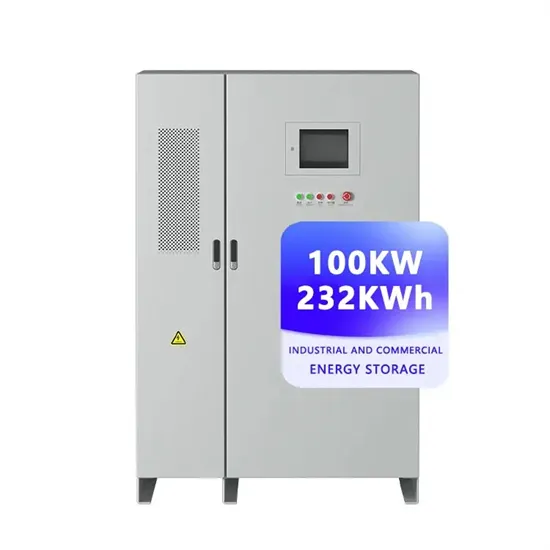
How much electricity does a 200w single crystal solar panel generate in a day
A 200W panel will likely generate somewhere between 800 and 1200 watt-hours (or 0. Keep in mind that things like weather, shadows, the angle of your panel, and your location all play a big role. . Obviously, the more sun you get, the more kWh a solar panel will produce per day. In the US, for example, we get, on a 12-month average, anywhere from 3 peak sun hours (think Alaska) to 7 peak sun hours (think Arizona, New. . If you just want the bottom line, here's the quick version— what can a 200W solar panel run, how much energy it really makes per day, and when it's smarter to double up. Daily output (real-world): Plan on ~0. 2 kWh/day as your practical 200W solar panel output per day —location, tilt, shade, and. . A 200W solar panel is capable of producing up to 200W of electricity under optimal conditions, with an average voltage output of 17. 5V and an average current output of 11. But let's be real – those perfect conditions don't last all day. With an assumed 5 Peak Sun Hours (PSH) per day: However, due to environmental losses such as high temperatures, shading, dirt accumulation, and. .
[PDF Version]
 MENU