
-
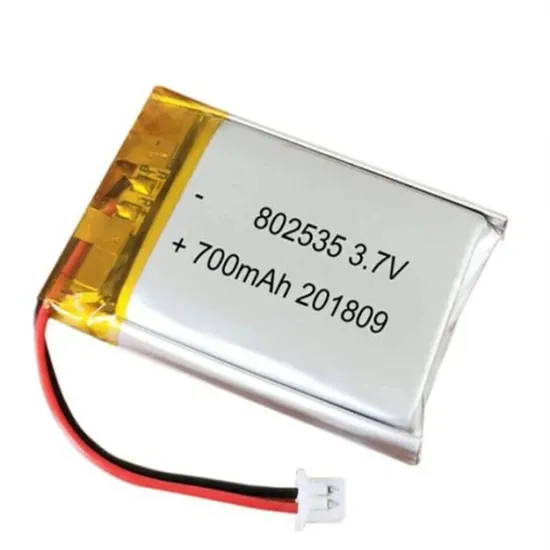
How hybrid energy for solar telecom integrated cabinets works
You use solar PV with energy storage to create a resilient power supply for telecom cabinets. This hybrid system reduces downtime by 25%. You cut generator use by over 90%. Choosing the right. . th their business needs. As Architects of ContinuityTM, Vertiv solves the most important challenges facing today's data centers, communication networks and commercial and industrial facilities with a portfolio of power, cooling and IT infrastructure solutions and services that extends from the. . Enter hybrid power solution for telecom- an innovative approach that combines renewable energy with intelligent storage solution Telecom towers, especially those in off-grid or unreliable grid locations, demand a continual and efficient power supply. Relying solely on diesel generation leads to. . This article explores how telecom tower hybrid power systems are reshaping network reliability, why batteries are the centerpiece of this transformation, and how system-level energy optimization can significantly reduce operational costs.
[PDF Version]
-
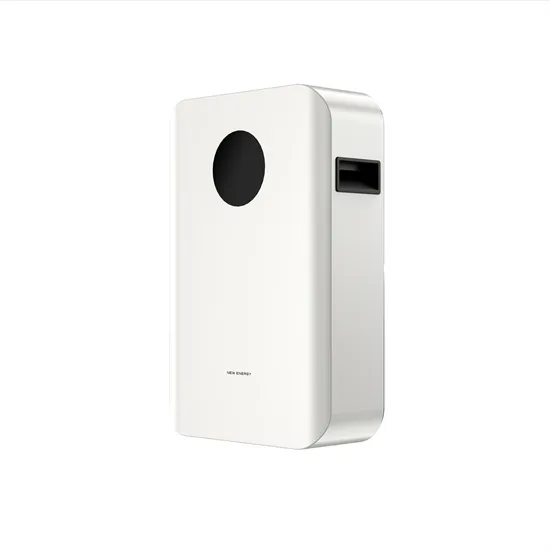
Liquid flow battery energy storage and solar container lithium battery energy storage
Lithium-ion and flow batteries are two prominent technologies used for solar energy storage, each with distinct characteristics and applications. Lithium-ion batteries are known for their high energy density, efficiency, and compact size, making them suitable for residential and commercial solar. . Researchers in Australia have created a new kind of water-based “flow battery” that could transform how households store rooftop solar energy. Credit: Stock Monash scientists designed a fast, safe liquid battery for home solar. The system could outperform expensive lithium-ion options. RFBs work by pumping negative and positive. . Next-level energy storage systems are beginning to supplement the familiar lithium-ion battery arrays, providing more space to store wind and solar energy for longer periods of time, and consequently making less room for fossil energy in the nation's power generation profile. Their next-generation flow battery opens the door to compact, high-performance battery systems for homes, and is expected to be much. .
[PDF Version]
-
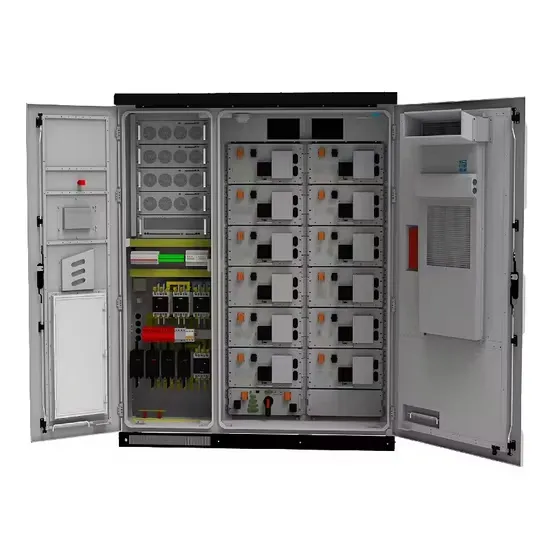
New energy liquid cooling solar battery cabinet cabinet outdoor site
This integrated outdoor cabinet features lithium iron phosphate (LFP) batteries, modular PCS, EMS, power distribution, fire protection, and an advanced liquid cooling system that enhances thermal stability and prolongs battery life. . Featuring superior cooling efficiency for extended 10-year lifespan, it enables critical equipment UPS protection and significant bill reduction through intelligent load shifting. Introducing the Advanced 86-241KWH Outdoor Liquid-Cooled Battery Energy Storage Cabinet Engineered for demanding. . The Sunway 100kW/232kWh Liquid-Cooled Energy Storage System is designed to deliver reliable performance in commercial, industrial, and utility-scale settings. It can store electricity converted from solar, wind and other renewable energy sources. Engineered for reliability and performance, it provides a durable and efficient enclosure for. . MEGATRON 1500V 344kWh liquid-cooled and 340kWh air cooled energy storage battery cabinets are an integrated high energy density, long lasting, battery energy storage system. Each battery cabinet includes an IP56 battery rack system, battery management system (BMS), fire suppression system (FSS). .
[PDF Version]
-
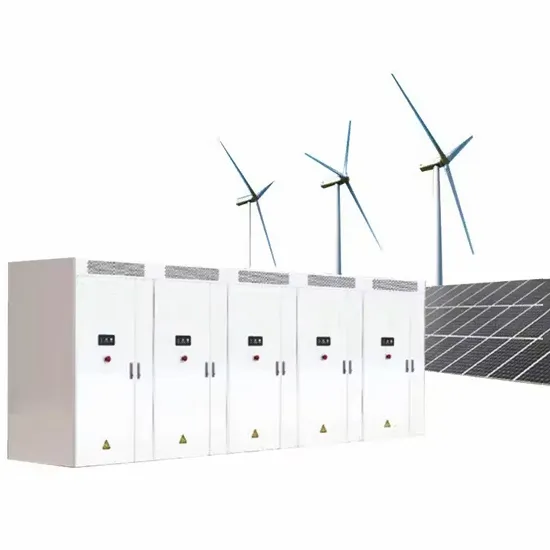
Grounding requirements for hybrid energy equipment in solar container communication stations
This Solar America Board for Codes and Standards (Solar ABCs) report addresses the requirements for electrical grounding of photovoltaic (PV) systems in the United States. . Properly grounding solar PV systems is one of the most critical aspects of a safe and reliable installation, governed by Part V of NEC Article 690. This process involves two distinct but related concepts: system grounding, which connects current-carrying conductors to the earth for voltage. . Grounding (also known as earthing) is the process of physically connecting the metallic and exposed parts of a device to the earth. It is a mandatory practice required by NEC and IEC codes to protect both equipment and personnel from damage and electric shock hazards. Solar ABCs, with support from the U. Department of Energy, commissioned this report to provide the PV industry with practical. .
[PDF Version]
-
Liquid cooling solar energy storage cabinet system application
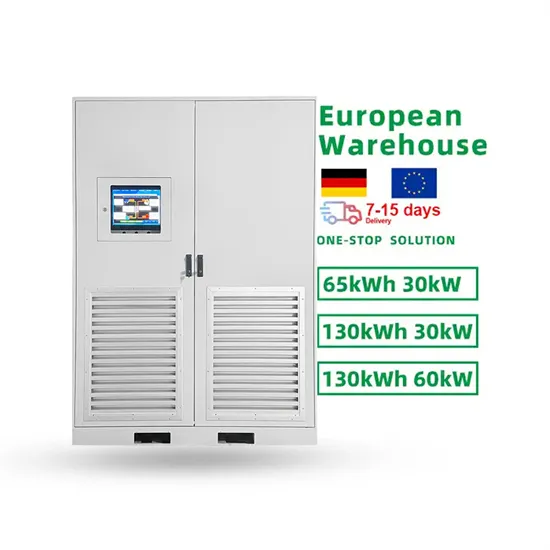
Summary: Liquid cooling units are revolutionizing energy storage systems across industries. This article explores their applications in renewable energy, EVs, and industrial power management while analyzing market data and emerging innovations. Have. . SUNWODA's Outdoor Liquid Cooling Cabinet is built using innovative liquid cooling technology and is fully-integrated modular and compact energy storage system designed for ease of deployment and configuration to meet your specific operational requirement and application including flexible peak. . As renewable energy adoption accelerates globally, liquid cooling energy storage cabinet systems are emerging as a game-changer for industries demanding high efficiency and reliability.
[PDF Version]
-
Freetown Fiber Optic solar container communication station Hybrid Energy Environmentally Friendly Electricity
Summary: Explore how the Freetown Photovoltaic Energy Storage Project combines solar power with advanced battery storage to deliver reliable, clean energy. Discover its technical innovations, environmental impact, and why it matters for Africa"s renewable energy transition. . Zoodlabs is a comprehensive technology and smart utility infrastructure company that provides high-speed internet services through a wireless broadband network in Freetown, Sierra Leone. Zoodlabs. . AET's Hybrid Solar Container provides an integrated off-grid power solution designed specifically for challenging environments. This preconfigured system combines solar energy with hot water storage, ensuring a seamless and efficient energy source for military operations and disaster relief. . Powering telecom base stations has long been a critical challenge, especially in remote areas or regions with unreliable grid connections. Are solar-powered telecom towers the future of rural and remote connectivity? Integrating solar power into telecom. . That is why we have developed a mobile photovoltaic system with the aim of achieving maximum use of solar energy while at the same time being compact in design, easy to transport and quick to set up. SolaraBox solar containers enable customers to achieve greater energy independence and reduce. .
[PDF Version]
 MENU