
-
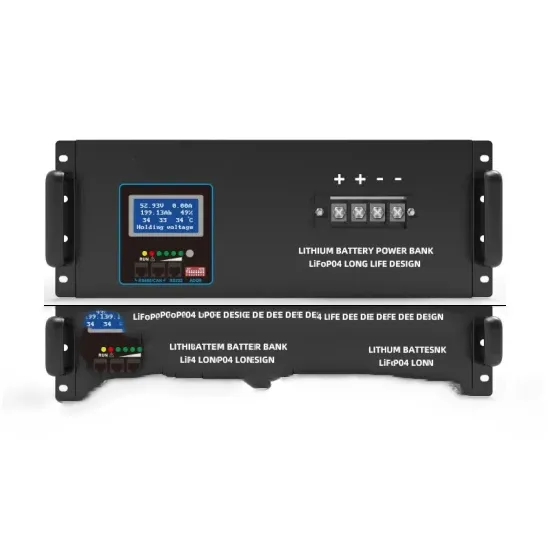
Cylindrical single solar energy storage cabinet lithium battery maximum
The SafeCubeA100A50PT Integrated Energy Storage Cabinet is equipped with 3. The voltage range is 448-584V, with dimensions of 240011002450mm. . It features robust lithium iron phosphate (LiFePO4) batteries with scalable capacities, supporting on-grid and off-grid configurations for reliable energy storage solutions. Supports flexible installation methods to adapt to various deployment scenarios Built-in safety systems and intelligent. . The CellBlock EMS (Exhaust Monitoring System) is a cabinet add-on that enhances battery charging and safe storage. Designed for use in a climate controlled environment, it regulates temperature and provides active smoke monitoring with an alarm system. Measuring 500mm x 450mm x 700mm, this cabinet is constructed from high-quality SGCC/SECC/mild steel and. . *1) SOC range is 90% to 10%. Custom design available with standard Unit: DBS48V50S.
[PDF Version]
-
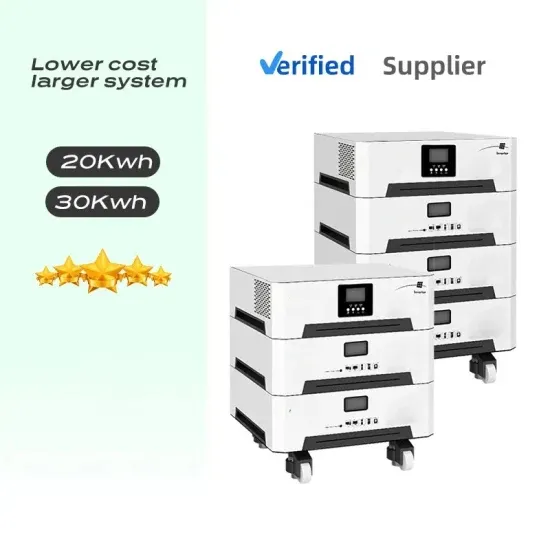
Gambia energy storage solar energy storage cabinet lithium battery
Summary: Discover how household energy storage battery systems are transforming energy access in Gambia. Learn about their applications, benefits, and real-world success stories – including cost savings, renewable energy integration, and improved quality of life. . As Gambia accelerates its renewable energy adoption, lithium battery systems have become the backbone of solar energy storage and grid stabilization projects. But the storage technologies most frequently coupled with solar power plants are electrochemical storage (batter. In 2004, annual investment needs in the electricity sector up to 2016 were estimated at US$200 million. . Within the IP54 protected cabinet consists of built-in energy storage batteries, PCS inverter, BMS, air-conditioning units, and double layer fire protection system.
[PDF Version]
-
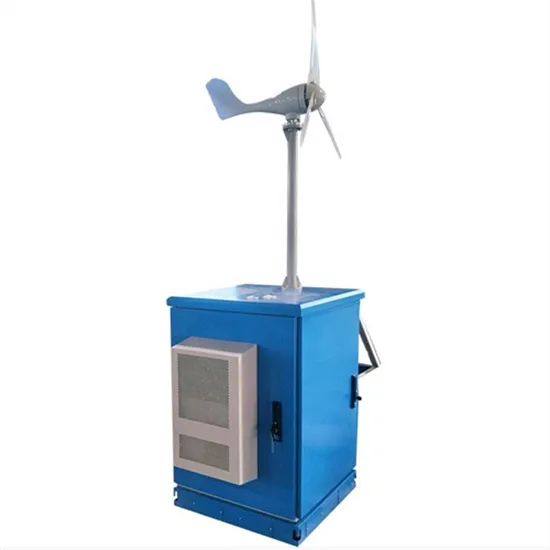
Oslo solar energy storage cabinet lithium battery energy storage cabinet price inquiry
Here's a breakdown based on technology: Lithium-Ion Batteries: $500 to $700 per kWh Lead-Acid Batteries: $200 to $400 per kWh Flow Batteries: $600 to $750 per kWh. Here's a breakdown based on technology: Lithium-Ion Batteries: $500 to $700 per kWh Lead-Acid Batteries: $200 to $400 per kWh Flow Batteries: $600 to $750 per kWh. Let's face it—when you're shopping for large energy storage cabinets, the Oslo factory price isn't just a number. It's the difference between a project that's financially viable and one that stays stuck on the drawing board. They're. . The LZY solar battery storage cabinet is a tailor-made energy storage device for storing electricity generated through solar systems. Constructed with long-lasting materials and sophisticated technologies inside. . opts the latest Home Energy Storage S ion batteries, the most common type of battery for solar storage. The cost f lithium is infl eed to be sold at to cover. You'll want a lithium-ion battery rather than lead-acid, as they are much more efficient and overall, more cost effective. oslo commercial energy storage cabinet cost.
[PDF Version]
-
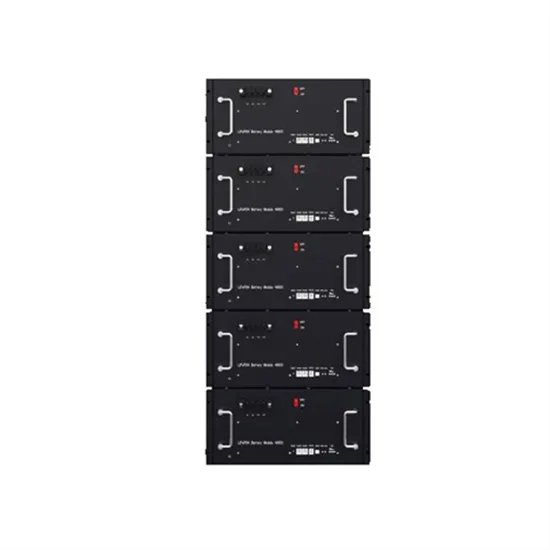
Solar energy storage cabinet lithium battery energy storage types
This comprehensive guide explores each solar energy storage system type, compares lithium-ion battery chemistries (LFP vs NMC), explains AC-coupled versus DC-coupled configurations, and provides selection criteria to identify optimal solutions for residential installations. . This comprehensive guide explores each solar energy storage system type, compares lithium-ion battery chemistries (LFP vs NMC), explains AC-coupled versus DC-coupled configurations, and provides selection criteria to identify optimal solutions for residential installations. . Home battery storage has become a cornerstone of energy independence in 2025, with over 3. 2 million American households now using battery systems to store excess solar energy and provide backup power during outages. As utility rates continue climbing and extreme weather events increase grid. . Yet solar energy's full potential can only be realized when paired with reliable energy storage. What Is Solar Energy with Battery. . Different types of Battery Energy Storage Systems (BESS) includes lithium-ion, lead-acid, flow, sodium-ion, zinc-air, nickel-cadmium and solid-state batteries. . This guide explores the main types of home energy storage systems, from battery-based technologies to thermal options, and explains how to choose the right residential energy storage solution for your lifestyle. Constructed with long-lasting materials and sophisticated technologies inside. .
[PDF Version]
-
Bms solar energy storage cabinet lithium battery balancing
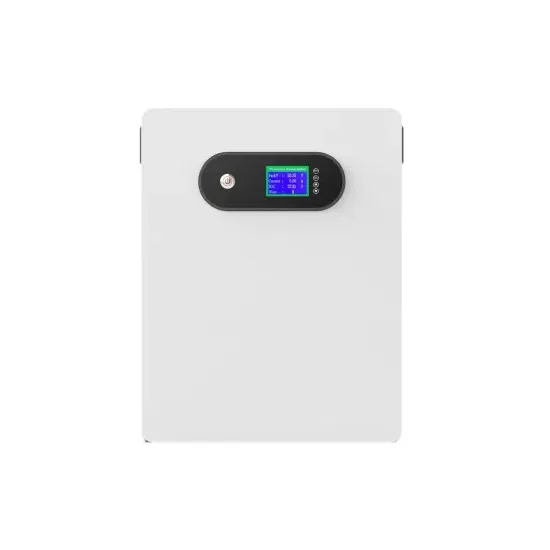
Start by verifying core BMS functionalities: real-time voltage/temperature monitoring, charge-discharge control, cell balancing, and multi-layer safety protocols. Compatibility remains paramount – lithium-ion, LFP, and lead-acid batteries each require specific. . 1. Yet, the true key to longevity, safety, and efficiency lies deeper, within the intelligent systems that manage the battery's daily operations. The trio of cell balancing, the Battery. . The rapid adoption of residential renewable energy systems has made Battery Management Systems (BMS) critical for safe and efficient power storage. With over 40% of home storage failures linked to inadequate BMS units, choosing the right system demands strategic evaluation. The need for sophisticated monitoring and management grows as battery technologies progress, especially with the increasing use of lithium-based chemistries. It protects against thermal runaway, prolongs battery life, ensures optimal charge-discharge cycles, and enables smooth communication with the Power Conversion. .
[PDF Version]
-
Product features of cylindrical solar energy storage cabinet lithium battery
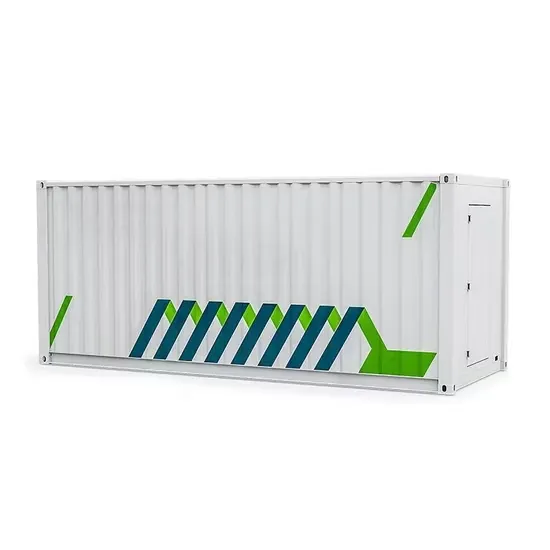
The Cabinet offers flexible installation, built-in safety systems, intelligent control, and efficient operation. It features robust lithium iron phosphate (LiFePO4) batteries with scalable capacities, supporting on-grid and off-grid configurations for reliable energy storage. . Decoding structural strengths, limitations, and evolving applications in global energy storage markets 1. Cylindrical Cells: Standardized Reliability Featuring metal casings (steel/aluminum) in tubular formats (e. It has the characteristics of safe and reliable operation, fast deployment, low cost, high rom. . Summary: Discover how cylindrical lithium battery energy storage solutions are revolutionizing industries like renewable energy, transportation, and smart grid management. Learn about their technical advantages, real-world applications, and market trends through data-driven insights. They assure perfect energy management to continue power supply without interruption.
[PDF Version]
 MENU