
-
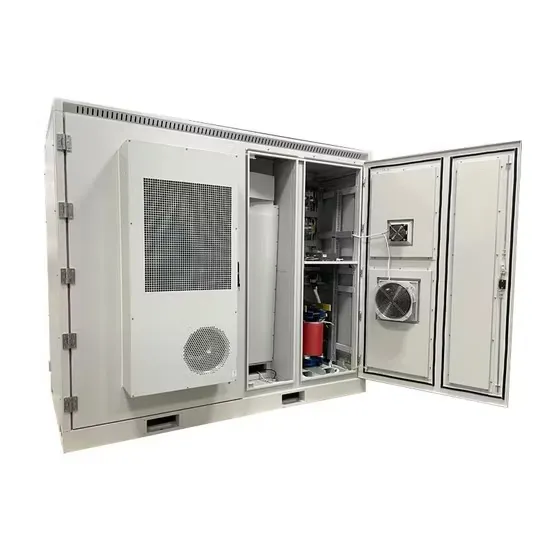
Industrial energy storage solar container lithium battery application
By integrating solar battery storage, businesses can store excess solar energy generated during the day and use it during high-demand hours, significantly reducing the reliance on grid power. This can help cut peak demand charges by 20%-30%, leading to substantial savings. For example, a. . Industrial energy storage systems differ from residential and commercial solutions in three key aspects: scale, integration complexity, and performance demands. While residential systems rarely exceed 50 kW, IESS typically ranges from hundreds of kilowatts to multi-megawatt capacities. Key. . For commercial, industrial, and utility-scale projects, large-scale lithium-ion battery storage is more than just a backup solution—it's a critical asset for energy optimization, grid balancing, and sustainability goals. What Makes Large-Scale Lithium-ion Storage Different? While smaller battery. . Pulsar Industries delivers cutting-edge Containerized Battery Energy Storage Systems (BESS) designed to store renewable energy efficiently, stabilize grid performance, and ensure uninterrupted power for commercial, industrial, and utility-scale applications. They From 60 kWh to 2 MWh, whether it's for large-scale industrial operations or small commercial settings, Lithium Valley's energy storage solutions offer a. .
[PDF Version]
-
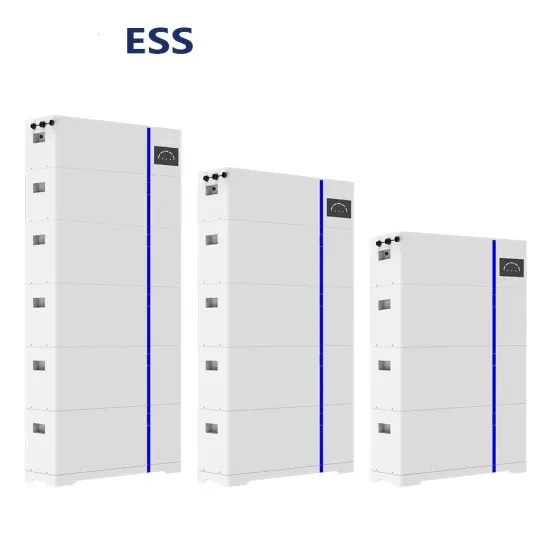
East Asia Lithium Battery Energy Storage Solution
Lithium battery packs from East Asia dominate global markets, powering everything from smartphones to electric vehicles. But what makes them so popular—and where do they fall short? In this article, we'll explore the pros, cons, and evolving trends shaping this. . In this context, Behind-the-Meter (BTM) Battery Energy Storage Systems (BESS) stands as a key enabler of this transformation, offering innovative solutions to enhance energy security, integrate renewable energy sources, and ensure stable and efficient grid operations. Why East Asia L. . Summary: This article explores the cost dynamics of energy storage equipment in East Asia, analyzing regional pricing trends, key applications, and market drivers. Discover actionable data, case studies, and future projections to navigate this rapidly evolving sector. The South East Asia Lithium Ion Battery Market is valued at USD 2. 7 billion, based on a five-year. .
[PDF Version]
-
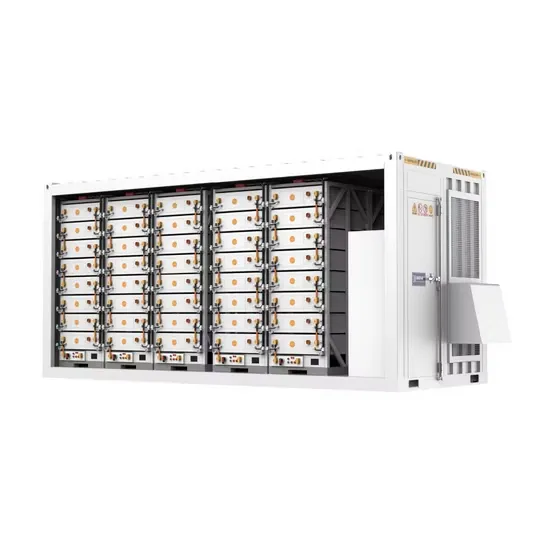
Comparison of smart solar energy storage cabinet lithium battery energy storage cabinet
In this comprehensive guide, we'll explore the primary types of home battery storage available in 2025, from proven lithium-ion systems to emerging technologies that promise to reshape the energy storage landscape. We'll also cover critical factors like safety, cost, and performance to help you. . When choosing a battery storage cabinet, understanding how brands like ESTEL perform can help you make informed decisions. What power, capacity, system smarts actually sit under those enclosures? And how many of those components actually comprise each system? The number of options – from specialized. . The following battery comparison chart lists the latest lithium home AC battery systems in 2023 available in Australia, North America, the UK, Europe and Asia from the world's leading battery manufacturers, including Tesla, Sonnen, Sunpower, Franklin, Enphase and many more. To find a solution that best meets your needs, consult a solar. com Energy Advisor to review custom designs, proposals, and savings estimates.
[PDF Version]
-
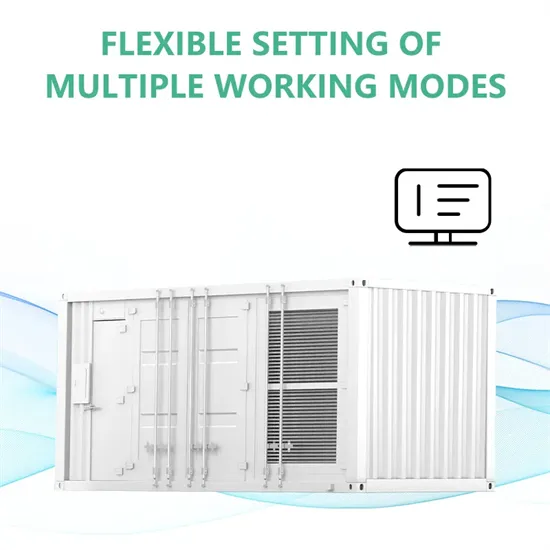
Nanya Energy Storage Lithium Battery Manufacturer
The leading suppliers in Saudi Arabia are SaudiEnergy Batteries, PowerCell Saudi Arabia, EnergyMasters Saudi, LithiumTech Saudi, PowerUp Batteries Saudi, and Redway Battery. Each company offers specialized LiFePO4 solutions tailored to diverse industrial, commercial, and residential. . energy management system, monitoring system, temperature control system, fire protection system, and intelligent monitoring software. independently manufacture complete energy storage systems. We further enhance yield,quality and output with AI applications,including predictive maintenance,production planning e in a variety of energy storage technologies. Lithium-ion batterydevelopment trends continued. . Battery solutions for light electric vehicles such as e-bikes, e-scooters and e-motorcycles. Meet the top 10 game-changers reshaping global energy. Started in 2004, with continuous support and technical experience, more than 1,000 Pytes employees are now working to build a greener future.
[PDF Version]
-
Solar energy storage cabinet lithium battery energy storage cell equipment
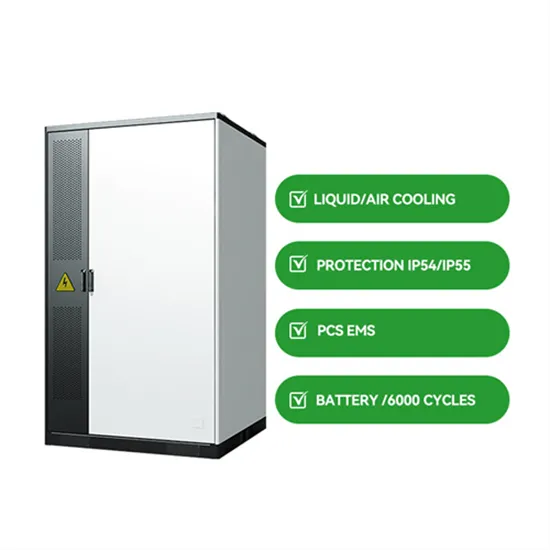
Featuring lithium-ion batteries, integrated thermal management, and smart BMS technology, these cabinets are perfect for grid-tied, off-grid, and microgrid applications. Explore reliable, and IEC-compliant energy storage systems designed for renewable integration, peak shaving, and backup power. . The LZY solar battery storage cabinet is a tailor-made energy storage device for storing electricity generated through solar systems. Constructed with long-lasting materials and sophisticated technologies inside. . The Cabinet offers flexible installation, built-in safety systems, intelligent control, and efficient operation. It has the characteristics of high energy density, high charging and discharging power. . AZE's all-in-one IP55 outdoor battery cabinet system with DC48V/1500W air conditioner is a compact and flexible ESS based on the characteristics of small C&I loads.
[PDF Version]
-
Introduction to the Energy Storage Lithium Battery Industry
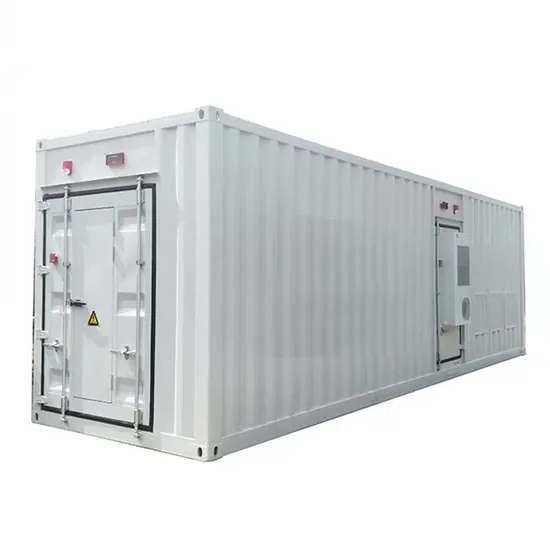
This chapter is intended to provide an overview of the design and operating principles of Li-ion batteries. A more detailed evaluation of their performance in specific applications and in relation to other energy storage technologies is given in Chapter 23: Applications. . The goal of the DOE Energy Storage Program is to develop advanced energy storage technologies and systems in collaboration with industry, academia, and government institutions that will increase the reliability, performance, and sustainability of electricity generation and transmission in the. . Lithium-ion batteries are the dominant electrochemical grid energy storage technology because of their extensive development history in consumer products and electric vehicles. Characteristics such as high energy density, high power, high efficiency, and low self-discharge have made them attractive. . At the forefront of this evolution is lithium battery storage, a cornerstone technology enabling the widespread adoption of clean energy.
[PDF Version]
 MENU