
-
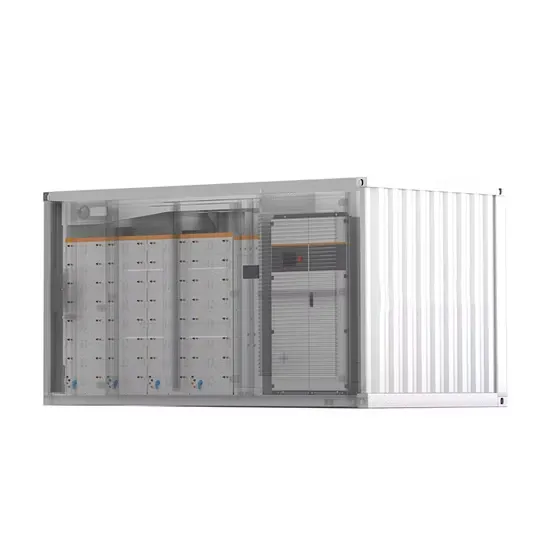
How much does a grid-connected energy storage unit cost in the Middle East
The cost of a grid-connected energy storage power station typically ranges from $400 to $1,000 per kWh of installed capacity, varying significantly based on technology types and regional factors. . The 2020 Cost and Performance Assessment provided installed costs for six energy storage technologies: lithium-ion (Li-ion) batteries, lead-acid batteries, vanadium redox flow batteries, pumped storage hydro, compressed-air energy storage, and hydrogen energy storage. The most significant influences on. . Battery storage prices have gone down a lot since 2010. In 2025, they are about $200–$400 per kWh. This is because of new lithium battery chemistries.
[PDF Version]
-
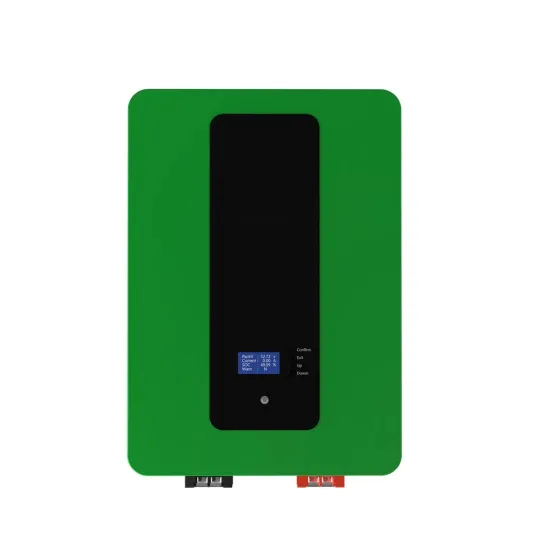
Box-type energy storage hot air unit
The all-in-one package system that provides heating/cooling within a single outdoor unit for whole-home comfort. . Thermal energy storage (TES) is a reliable solution for cost-effective, sustainable heating and cooling. Across North America, electrification is transforming the way we power our lives—reducing dependence on nonrenewable resources and building a cleaner energy future. TES systems are used in commercial buildings, industrial processes, and district energy installations to deliver stored thermal energy during. . Our industry-leading unit heaters are easy to install and accommodate any need. They feature a compact design that fits into any minimal design. Perfect for: These units aren't just metal boxes – they're thermal. .
[PDF Version]
-
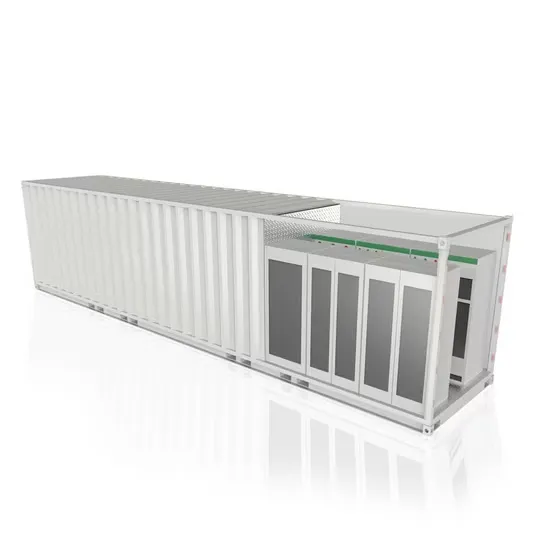
How much does a standard power scale solar energy storage cabinet cost at a port
Prices for new energy storage charging cabinets typically range from $8,000 to $45,000+ depending on three key factors: "The average price per kWh dropped 17% since 2022, making 2024 the best year for storage investments. " - Renewable Energy Trends Report Let's examine two actual. . Market analysts routinely monitor and report the average cost of PV systems and components, but more detail is needed to understand the impact of recent and future technology developments on cost. Consequently, benchmark systems in the utility-scale, commercial, and residential PV market sectors. . NLR analyzes the total costs associated with installing photovoltaic (PV) systems for residential rooftop, commercial rooftop, and utility-scale ground-mount systems. This work has grown to include cost models for solar-plus-storage systems. NLR's PV cost benchmarking work uses a bottom-up. . Energy storage cabinet costs aren't one-size-fits-all. Department of Energy (DOE) under Contract No. Whether you're planning a solar integration project or upgrading EV infrastructure, understanding. . In 2025, the typical cost of a commercial lithium battery energy storage system, which includes the battery, battery management system (BMS), inverter (PCS), and installation, is in the following range: $280 - $580 per kWh (installed cost), though of course this will vary from region to region. .
[PDF Version]
-
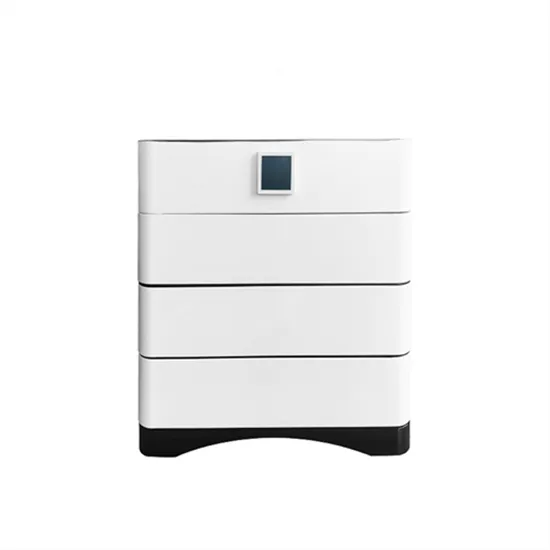
Price of a 500kW Solar Energy Storage Unit
In 2023, a 500kW system typically ranges between $250,000 and $500,000. Why the spread? Let's unpack it: Battery Chemistry: Lithium iron phosphate (LFP) dominates now—cheaper and safer than old-school NMC. Installation: Site prep? Permits? Labor? That's another $50k-$80k hiding. . Flexible, Scalable Design For Efficient 500kVA 500kW Solar Power Plant. With Lithium Battery Off Grid Solar System For A Factory, Hotel, or Town. What is in a 500kva 500kw solar power plant? A complete 500kva 500kW solar power plant includes the following configurations: Optional solar mounts, PV. . Free installation assistance by phone or email! The energy storage system consists of a battery pack, battery management system (BMS), and battery charger. To discuss pricing and options, please, place an order and we will give you a call or give us/Carl a call. One of the largest energy storage. . What's the Real Price of a 500kW Container Energy Storage System? Let's face it: when someone Googles 500kW container energy storage price, they're not just window-shopping. They're likely decision-makers—engineers, project managers, or renewable energy startups—weighing costs for commercial or. . Discover our 500kW solar energy storage system featuring high-efficiency solar panels, smart inverters, Grade A LiFePO₄ batteries with 8000 cycles and 10-year design life, reliable BMS, liquid cooling, and full safety mechanisms.
[PDF Version]
-
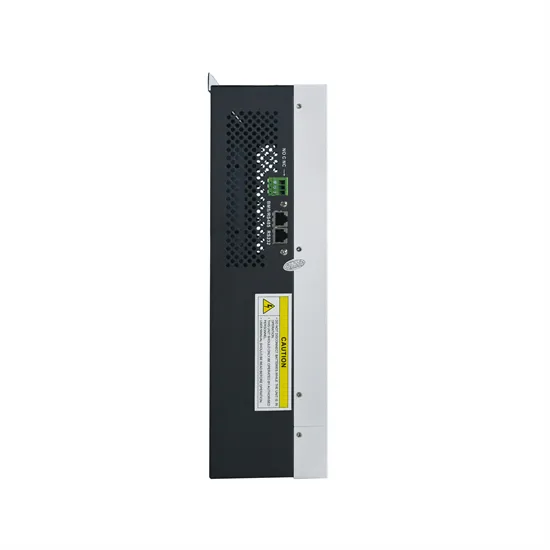
Cost of a 100kW Photovoltaic Energy Storage Unit for US Mines
As renewable energy adoption accelerates globally, understanding the 100 kW energy storage power station cost becomes critical for commercial and industrial users. This article breaks down cost components, explores ROI scenarios, and identifies emerging. . Each year, the U. Department of Energy (DOE) Solar Energy Technologies Office (SETO) and its national laboratory partners analyze cost data for U. solar photovoltaic (PV) systems to develop cost benchmarks. These benchmarks help measure progress toward goals for reducing solar electricity costs. . DOE's Energy Storage Grand Challenge supports detailed cost and performance analysis for a variety of energy storage technologies to accelerate their development and deployment The U. Ramasamy, Vignesh, Jarett Zuboy, Michael Woodhouse, Eric O'Shaughnessy, David Feldman, Jal Desai, Andy Walker, Robert Margolis, and Paul Basore.
[PDF Version]
-
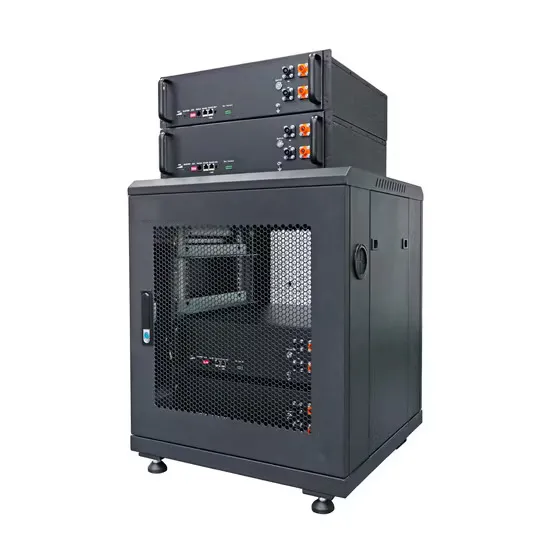
10MWh Energy Storage Unit for Construction Sites
Plug-and-play graphene energy container system designed for grid, partial-grid, and microgrid installations. It delivers clean, resilient, long-duration power storage without thermal risk, toxic materials, or complex integration. . Maxbo Solar's latest achievement is the implementation of a groundbreaking 10 MW battery storage project. 25MWh energy storage systems, Ganfeng's 10MWh solution stands out with higher integration, optimized AC matching, and greater. . GE's Reservoir is a flexible, compact energy storage solution for AC or DC coupled systems. The Reservoir solution combines GE's advanced technologies and expertise in plant controls, power electronics, battery management systems and electrical balance of plant – all backed by GE's performance. . Construction sites are where cities change and grow. They require a significant amount of energy to operate all the machinery and equipment.
[PDF Version]
 MENU