
-
Are photovoltaic power stations solar energy
A solar photovoltaic (PV) power plant is an innovative energy solution that converts sunlight into electricity using the photovoltaic effect. This process occurs when photons from sunlight strike a material, typically silicon, and displace electrons, generating a direct current. . A photovoltaic power station, also known as a solar park, solar farm, or solar power plant, is a large-scale grid-connected photovoltaic power system (PV system) designed for the supply of merchant power. Most are individual photovoltaic power stations, but some are groups of co-located plants owned by different independent power producers and with separate transformer connections. .
[PDF Version]
-
Photovoltaic Energy Storage Cabinet Long-Term Solar Energy Storage vs Power Grid
While they share similarities in basic functionality, their structural designs, operational capabilities, and use cases differ significantly. Structural Differences. The AES Lawai Solar Project in Kauai, Hawaii has a 100 megawatt-hour battery energy storage system paired with a solar photovoltaic system. Sometimes two is better than one. Coupling solar energy and storage technologies is one such case. Here's what you need to know: Imagine this: a storm knocks out power in your neighborhood, but your lights stay on, your refrigerator keeps running, and. . Photovoltaic energy storage cabinets are advanced solutions integrating solar energy systems for efficient power management. provide backup electricity during outages, 3., lithium iron phosphate/LiFePO4 vs. This guide breaks down the selection process step-by-step, includes. . FFD POWER focuses on C&I on-grid / off-grid / microgrid deployments, emphasizing robust integration, control strategy (EMS), and installer-friendly engineering documentation (SLD, commissioning guides, parameter templates, etc.
[PDF Version]
-
Changji rooftop solar photovoltaic power generation
Rooftop photovoltaic system plays an important role in solar energy power generation especially in urban. In this paper, we present an assessment method for the PV power generation potential of rooftop i.
[PDF Version]
-
Solar photovoltaic power generation efficiencyq
The conversion efficiency of a photovoltaic (PV) cell, or solar cell, is the percentage of the solar energy shining on a PV device that is converted into usable electricity. Improving this conversion efficiency is a key goal of research and helps make PV technologies cost-competitive with. . NLR maintains a chart of the highest confirmed conversion efficiencies for research cells for a range of photovoltaic technologies, plotted from 1976 to the present. Learn how NLR can help your team with certified efficiency measurements. DOWNLOAD CHART Or. . This guide breaks down everything you need to know about solar panel efficiency, including how it's calculated, what the top-performing panels are, and why it matters for California homeowners navigating the post–NEM 3. Guidelines for inclusion reviewed. A distinction is multiple openings are not eligible).
[PDF Version]
-
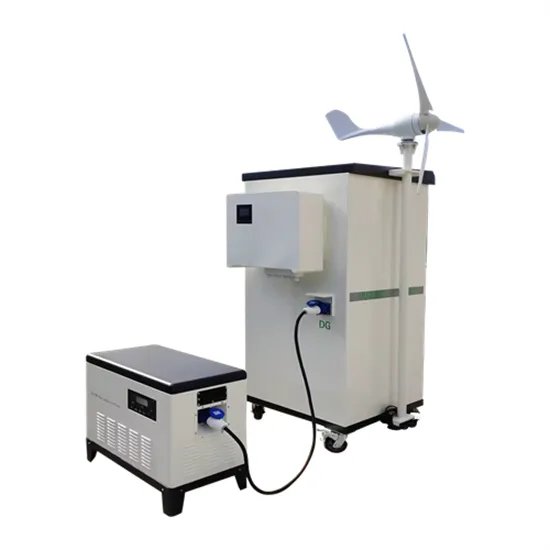
Photovoltaic agricultural solar power station
Agrivoltaic systems can include solar panels between crops, elevated above crops, or on greenhouses. Dual use can diversify farmers' income. However, it is possible to co-locate solar systems and agriculture on the same land. This practice, also known as agrivoltaics or dual-use solar, involves locating agricultural. . Agrivoltaics (also called agrophotovoltaics, agrisolar, or dual-use solar) is the dual use of land for solar energy and agriculture. By addressing these critical factors, it serves as a comprehensive guide to improving efficiency and ensuring transparent, replicable outcomes. . This guide will offer an overview of potential agrivoltaic systems and confgurations, including benefts and tradeoffs of implementation.
[PDF Version]
-
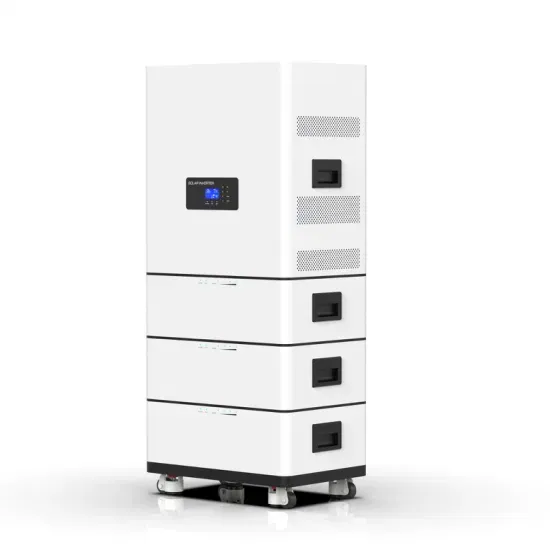
Solar photovoltaic panels do not carry electricity
Here's the kicker: solar panels do not store energy. They're like overachieving workers who clock out when the sun sets. But don't worry—this isn't a design flaw. Let's dive into how solar panels actually work, why storage is a separate game, and what you can do to keep the lights. . A photovoltaic (PV) cell, commonly called a solar cell, is a nonmechanical device that converts sunlight directly into electricity. Some PV cells can convert artificial light into electricity. These photons contain varying amounts of. . “If a solar panel isn't connected to an inverter or battery, does it still generate electricity? Can it get damaged from being under the sun but not used?” Let's explore this question using easy-to-understand science, illustrated diagrams, and some expert insight. They use this sunlight to create direct current (DC) electricity through a process called "the photovoltaic effect.
[PDF Version]
 MENU