
-
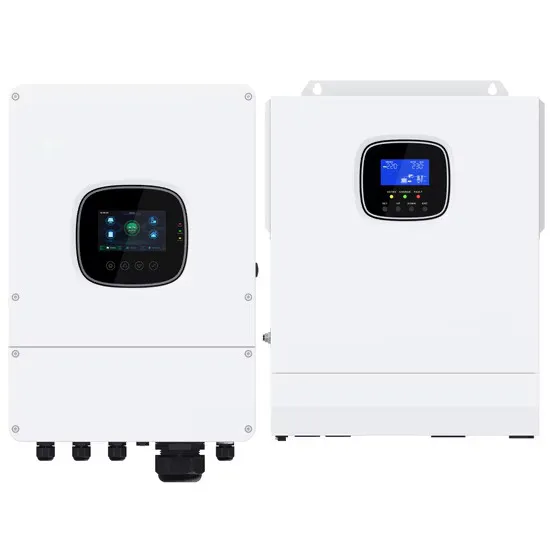
Kabul energy storage low temperature solar energy storage cabinet lithium battery factory
Engineered to complement solar folding containers, our lithium-ion battery systems deliver dependable power storage with fast charge/discharge capabilities. Their modular architecture makes them ideal for off-grid deployments, disaster response units, and mobile energy. . Kabul's growing demand for reliable electricity – driven by urbanization and renewable energy adoption – has made lithium battery storage modules a cornerstone of modern power solutions. From solar farms to telecom towers, these systems bridge gaps between energy supply and demand. Let's explo Why. . Energy storage cabinets are crucial in modern energy systems, offering versatile solutions for energy management, backup power, and renewable energy integration. These panels are engineered to deliver stable performance in mobile and semi-permanent microgrid applications, maximizing energy production in. . Solar potential of 6. The China Town project in Kabul offers a perfect case study - their solar+storage system. . How big is lithium energy storage battery shipment volume in China?According to data, the shipment volume of lithium energy storage batteries in China in 2020 was 12GWh, with a year-on-year growth of 56%. It is expected that the shipment volume will reach 98.
[PDF Version]
-
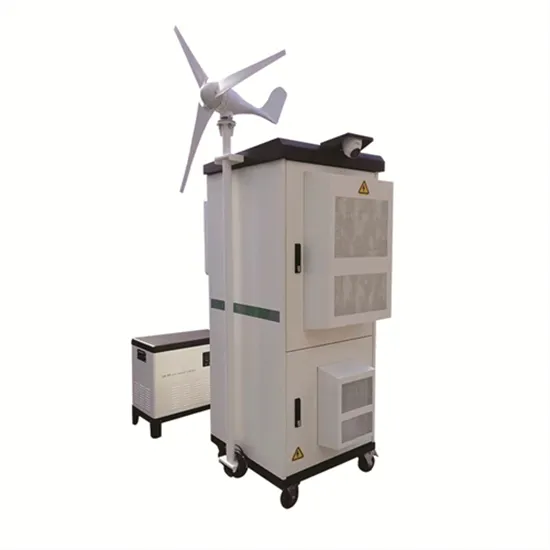
National standard for testing energy storage solar container lithium battery cabinets
The first edition of UL 1487, the Standard for Battery Containment Enclosures, was published on February 10, 2025, by UL Standards & Engagement as a binational standard for the United States and Canada. . An overview of the relevant codes and standards governing the safe deployment of utility-scale battery energy storage systems in the United States. UL 1487 is a result of collaboration that started in 2023 amongst interested parties, including. . NFPA is keeping pace with the surge in energy storage and solar technology by undertaking initiatives including training, standards development, and research so that various stakeholders can safely embrace renewable energy sources and respond if potential new hazards arise. We can also conduct an evaluation in the field or at a manufacturing location if required. This process is not merely procedural but a crucial safeguard against the significant. . Assists users involved in the design and management of new stationary lead-acid, valve-regulated lead-acid, nickel-cadmium, and lithium-ion battery installations.
[PDF Version]
-
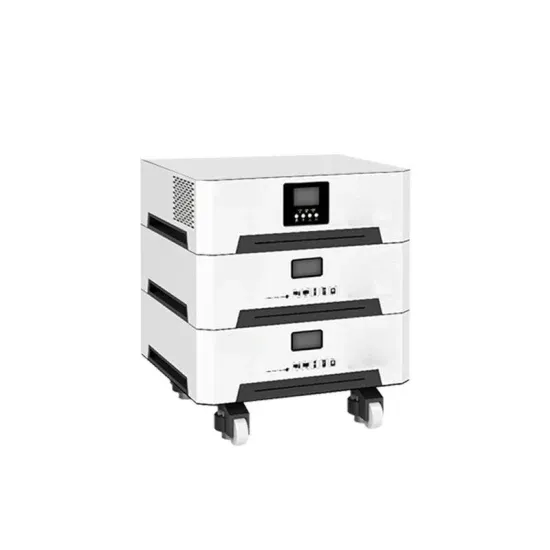
Solar battery cabinet capacity normal decay energy storage
Usable capacity differs from total capacity: Lithium batteries provide 90-95% usable capacity while lead-acid only offers 50%. Factor in 10-15% efficiency losses and plan for 20% capacity degradation over 10 years when sizing your system. . When choosing a solar battery for your residence, it is recommended to consider a 47 kWh capacity, though this may vary based on battery efficiency and Depth of Discharge (DoD). That's an approximate value if you plan to completely offset your dependence on electric grids. For a partial backup, the. . Extend your system's lifespan & boost performance with our solar panel cleaning service. Need panels moved? We handle removals & re-installs safely and fast. Equip your home with a safe, reliable 240 Volt outlet for fast Level 2 EV charging. Daily monitoring, early detection, and updates with. . We expect 63 gigawatts (GW) of new utility-scale electric-generating capacity to be added to the U. For grid backup during outages, one battery is usually enough. These are typically clearly marked as "-" (Negative) and "+" (Positive). Some systems, like the I-BOX 48100R, use distinct visual cues, such as an orange terminal, to. .
[PDF Version]
-
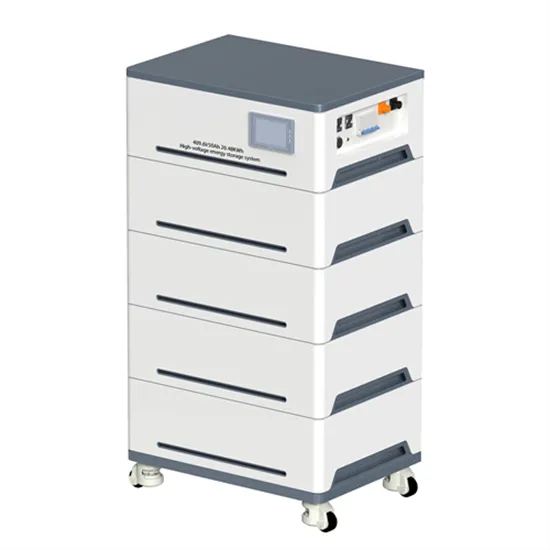
Solar container battery storage factory in Angola
Billed as the nation's first and Africa's largest off-grid renewable energy system, the Cazombo Photovoltaic Park has been designed to rely on solar in the day and its battery bank for night-time supply, ensuring no fossil fuels are consumed. Portuguese group MCA energized an off-grid renewable energy system encompassing 75. Angola's strategic push into renewable energy storage solutions aligns with global demand for sustainable power systems - particularly for solar. . Energy storage containers act as “energy bank accounts,” storing surplus electricity during peak production and releasing it when needed most. This article explores the top manufacturers shaping Angola's storage la Angola's energy sector is undergoing a transformative shift toward renewable integration. . r management across mining, agriculture, and urban development sectors. That's the flexibility modern. . With a $1. 44 billion push for 48 hybrid solar systems across five provinces [1] [3], this Southern African nation is staging an energy revolution that even Netflix would greenlight. Let's unpack this solar bonanza: These aren't just numbers on a spreadsheet.
[PDF Version]
-
Malta solar battery cabinet storage
Household owners who consume more than 6,000 kWh (units) per year are charged at tariff rates that range from EUR 0.16 to over EUR 0.60 per unit consumed. These billing rates are considerably higher than the presently availa.
[PDF Version]
-
How much does Austrian energy storage solar container lithium battery cost
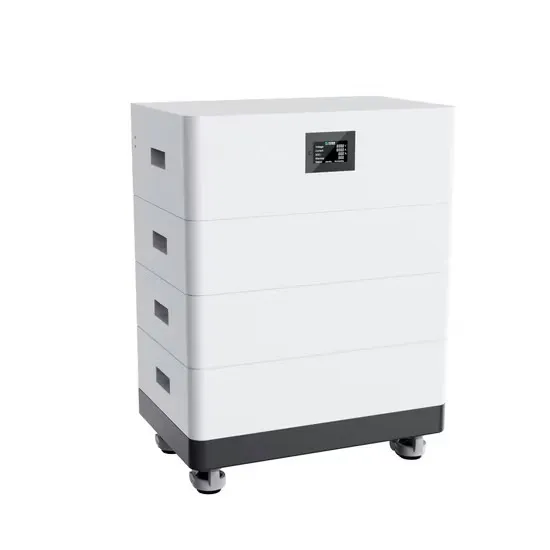
A 1MWh system: Costs between €695,000 and €850,000. 5 million to €4 million, benefiting from economies of scale. Calculating initial costs involves assessing energy capacity, power requirements, and site-specific conditions. Start by determining the key parameters. . Prices typically range from $100,000 to $800,000+, depending on these elements: Did you know? Containerized systems now account for 40% of commercial energy storage deployments globally (Wood Mackenzie, 2023). Different sectors have unique requirements: Pairing with photovoltaic systems requires. . Battery Technology: Lithium-ion batteries dominate 78% of installations, averaging €450–€700 per kWh. Grid Fees & Incentives: Austria"s Renewable Expansion Act offers subsidies covering up to 30% of installation costs. According to data made available by Wood Mackenzie's Q1 2025 Energy Storage Report, the following is the range of price for PV energy storage containers in the market:. . In this work we describe the development of cost and performance projections for utility-scale lithium-ion battery systems, with a focus on 4-hour duration systems. The projections are developed from an analysis of recent publications that include utility-scale storage costs.
[PDF Version]
 MENU