
-
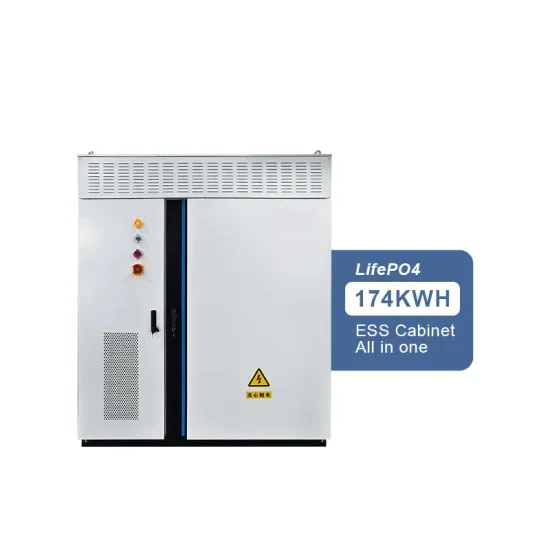
Israeli companies install solar container energy storage systems
Israeli companies are installing energy storage systems at an unprecedented rate, transforming how the nation consumes and manages power. From solar farms in the Negev Desert to tech campuses in Tel Aviv, energy storage solutions are becoming the backbone of. . Israeli companies are stepping up to this challenge, leveraging the country's strengths in materials science, electrochemistry, and software engineering to create next-generation storage technologies. Israeli startups and research institutions are making remarkable advances across multiple storage. . Storage technologies integrate into the renewable energy production system, enabling renewable energy facilities to supply electricity around the clock, similar to conventional production facilities. . Enlight Renewable Energy has completed the Yesha and Re'im projects, adding 16 MW of solar power and 94 MWh of energy storage capacity in Israel. This bold objective entails the installation of 18 GW to 23 GW of solar projects, coupled with 5.
[PDF Version]
-
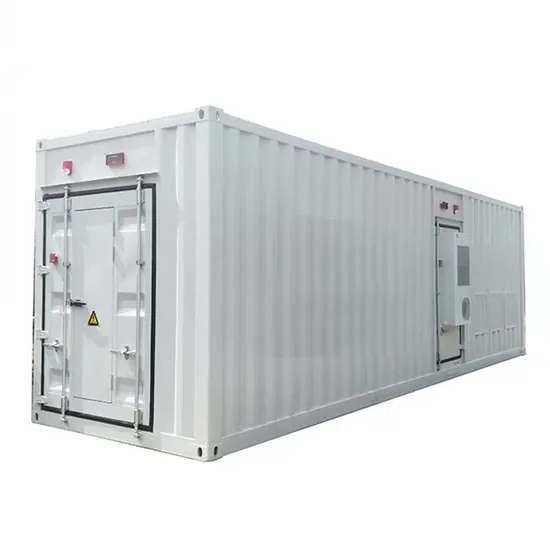
Household roof solar power tiles
Solar Roof is comprised of both glass solar tiles and steel roofing tiles. Both are durable, strong and engineered for all-weather protection. . Unlike solar panels, solar shingles are more incorporated with the roof itself—which makes for an aesthetically cohesive look and the protective benefits of roofing material. Some styles are placed. . Cost-Effectiveness Depends on Timing: Solar roof tiles make the most financial sense when your existing roof needs replacement within 5 years. CertainTeed Apollo II Tiles provide a low-profile solution with quick installation and lightweight construction. Unlike bulky traditional. .
[PDF Version]
-
How high should solar panels be installed from the roof
Solar panels should be mounted at a height of 3. 25″ from the roof's surface to ensure optimal performance. This measurement takes into account the seam of the SSMR, typically 1. 5″ to 3″ in height, the mounting hardware, adding approximately ¾” and the module frame . . Determining the correct height to install solar panels above a roof is crucial for ensuring peak performance, durability, and safety. The height impacts wind uplift resistance, snow shedding, air flow for cooling, ease of cleaning, and ease of electrical wiring. Get it wrong, and you'll face anything from water pooling to angry neighbors complaining about your "solar skyscraper. " Let's break down what makes that photovoltaic panel installation height just right for. . The steepness of a roof, measured as pitch, directly affects solar panel performance, installation method, and long-term durability. Understanding the minimum roof pitch helps homeowners decide whether a flat, sloped, or specialized mounting system is appropriate, while ensuring efficient energy. .
[PDF Version]
-
Prices of home solar container energy storage systems in Spain
Prices for Spanish energy storage systems have plunged 40% since 2020. A typical 10kWh setup now costs €6,000-€8,000 – about the price of a really good Ibiza weekend. But unlike your beach memories, these systems pay for themselves in 5-7 years through Spain's scalable feed-in. . Spain's solar panel container projects now deliver up to 18-24% annual returns, thanks to 2,800+ sunshine hours and aggressive feed-in tariffs. This BESS was deployed by In eteam at a green hydrogen facility in Ciudad Real. The gover y 2030 storage push for storage, with batteries et t le ambition risk oversupply and project economics. Spain"s draft National Energy and. . Why do we need energy storage systems in Spain?Energy storage systems in Spain are a key element in the fight against climate change, as they help us to address the challenge of the energy transition. These systems make renewable energy production more flexible; and therefore help us to guarantee. . Meet the Residential BESS Container, the unsung hero of Madrid's 2025 energy scene. In Acciona's 1,000-home project, these nifty 40–100 kWh units work their magic by charging at €0. 32/kWh peak hours —think of it as a financial shield for your wallet.
[PDF Version]
-
Solar power generation installed on the roof of a rural rental building
Yes, you absolutely can install solar panels on most barn roofs, and in many cases, barns make better candidates for solar installations than residential homes. The key is proper assessment and planning. . Policy Uncertainty Creates Urgency: The federal Investment Tax Credit (30% of system cost) may end as early as December 2025 instead of the originally planned 2033 phase-down, while USDA's enhanced 50% IRA-funded grants are currently suspended. Rooftops have large surface areas with few obstructions, and the landowner typically has control over objects that might shade the solar modules over the life of the installation. The challenge is that most. . Building-integrated photovoltaics is a set of emerging solar energy applications that replace conventional building materials with solar energy generating materials in the structure, like the roof, skylights, balustrades, awnings, facades, or windows. While cities battle for rooftop real estate, country folks sit on acres of perfect. . A solar panels for barn roof project offers a practical way to lower energy costs, increase resilience, and support sustainable farming practices. Particularly in rural America, though, there is great tension.
[PDF Version]
-
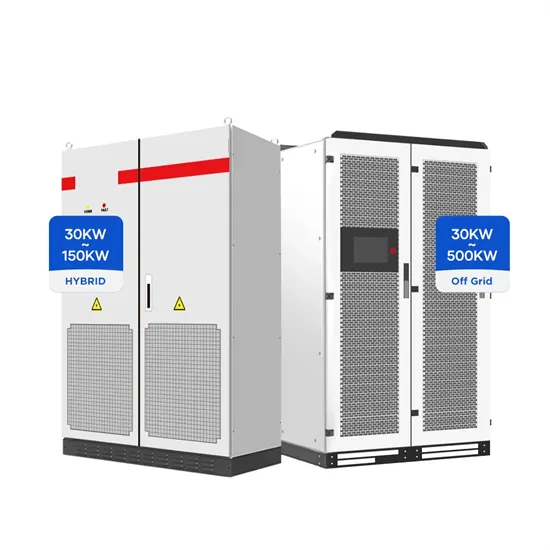
Solar PV Boost Inverter
Solar Photovoltaic (SPV) inverters have made significant advancements across multiple domains, including the booming area of research in single-stage boosting inverter (SSBI) PV scheme. This article.
[PDF Version]
FAQS about Solar PV Boost Inverter
What is a single-stage boost inverter system for solar PV applications?
A single-stage boost inverter system for solar PV applications has a vast scope for exploration. The PV system can carry out technical developments in several areas such as PV cell production, power semiconductor switches, grid interconnection standards, and passive elements to improve performance, minimize cost and size of the PV system.
Why do PV inverters need a boost circuit?
Consequently, inverters need to have the ability to boost the output voltage of PV in order to maintain a stable AC voltage for the load. The traditional voltage source inverter is a step-down inverter. When the input voltage is low, the traditional voltage source inverter is usually added a DC-DC boost circuit at its front stage.
How does a boost inverter work?
The boost inverter can be derived from a boost converter and a full bridge inverter by multiplexing the switch of basic boost converter. On boost converter side, the dc boost inductor is replaced by a switched inductor concept which can increase the output voltage and hence gain & efficiency.
What are the different types of boost inverters?
Some boost inverters are Z source inverter, double Boost inverter, double Cuk integrated inverter, Buck-Boost integrated inverter, Transformerless PV inverter, High-Gain grid-connected inverter, basic transformerless boost inverter and so on.
 MENU