
-
Which type of battery does wind power from solar container communication stations belong to
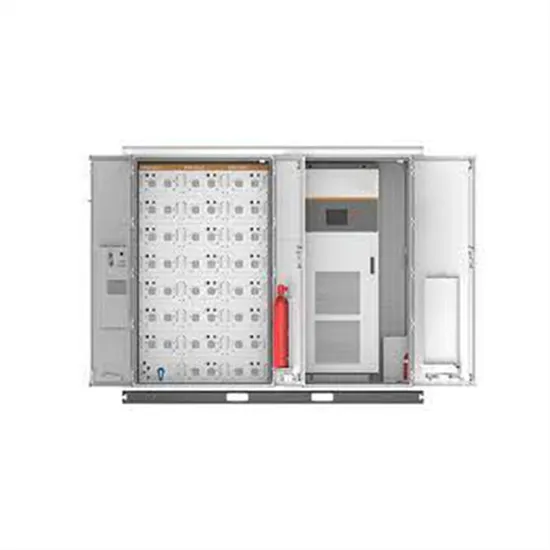
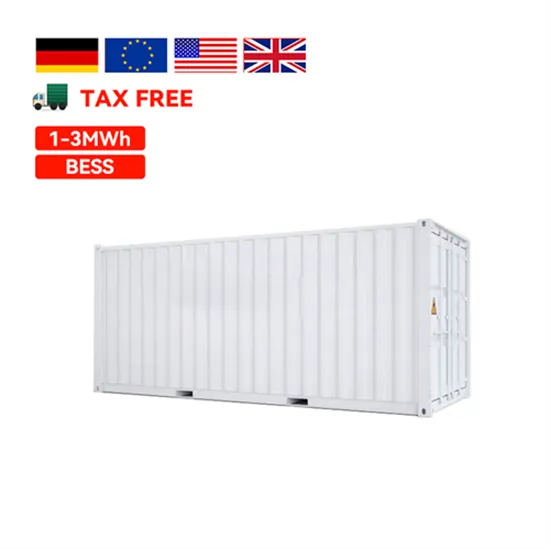
Containerized Battery Energy Storage Systems (BESS) are essentially large batteries housed within storage containers. These systems are designed to store energy from renewable sources or the grid and release it when required. This setup offers a modular and scalable solution to energy. . What is the solar container battery for communication base stations What is the solar container battery for communication base stations What are the battery rooms of Asian communication base stations Telecom battery backup systems of communication base stations have high requirements on reliability. . As solar energy and wind power are intermittent, this study examines the battery storage and V2G operations to support the power grid. Intermittent solar energy, wind power, and energy storage system include a. . Solar container communication wind power related st gy transition towards renewables is central to net-zero emissions. Here,we demonstrate the potentialof a globally i terconnected solar-wind. . Battery storage systems offer vital advantages for wind energy. How to implement a containerized battery. .
[PDF Version]
-
Principle of solar wind and kinetic energy power generation
Principle: Photovoltaic effect — when sunlight hits the solar cell, it generates electric current. Principle: Mechanical. . Wind turbines work on a simple principle: instead of using electricity to make wind—like a fan—wind turbines use wind to make electricity. For utilities in the electric power industry, it is the stage prior to its delivery (transmission, distribution, etc. ) to end users or its storage, using for example, the pumped-storage method. . A renewable energy working model demonstrates how natural resources like sunlight, wind, and flowing water can be converted into usable electrical energy without depleting the Earth's resources or harming the environment. He found that moving a magnet inside a coil of. . ontained in air motion.
[PDF Version]
-
The total hybrid power supply of wind and solar complementary power for national solar container communication stations
This article aims to evaluate the optimal configuration of a hybrid plant through the total variation complementarity index and the capacity factor, determining the best amounts of each source to be installed. The combined output from complementary resources—i. The authors present case studies considering two locations in Brazil, and investigate the. . The intermittent nature of solar and wind resources can be reduced by integrating them optimally, making the entire system more reliable and cost-effective to operate. The impact of. . The challenge of providing electricity to non-electrified rural areas, while discouraging the extension of traditional electrical grids due to impracticality and environmental concerns, has led to the development of a forward-looking solution: a Solar-Wind Hybrid Power Plant.
[PDF Version]
-
Power generation includes thermal power wind power and solar power
Most electricity is generated with steam turbines that use fossil fuels, nuclear, biomass, geothermal, or solar thermal energy. For utilities in the electric power industry, it is the stage prior to its delivery (transmission, distribution, etc. ) to end users or its storage, using for example, the pumped-storage method. There are several ways to generate it, each with its own characteristics, advantages, and challenges. In this article, you will understand what power generation is, learn about the main types. . Electricity generation is the process of producing electric power from various energy sources, including fossil fuels, solar, wind, hydro, and nuclear.
[PDF Version]
-
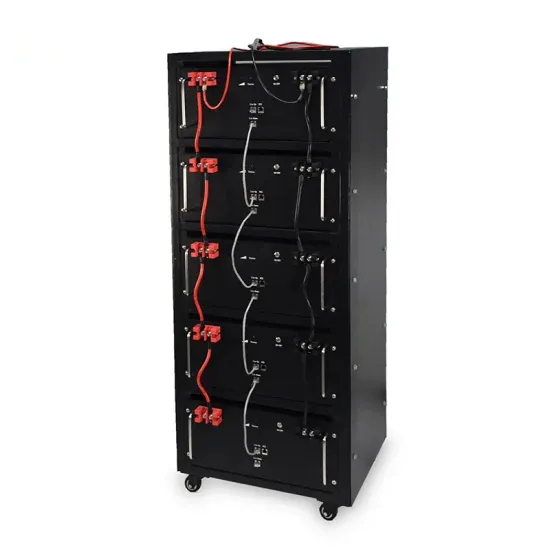
Construction unit of wind power construction of solar container communication station
Figure 1 shows the structure of a wind-solar-hydro-thermal-storage multi-source complementary power system, which is composed of conventional units (thermal power units, hydropower units, etc. ), new energy units (photovoltaic power plants, wind farms, etc. ), energy storage. . lerating energy transition towards renewables is central to net-zero emissions. Here,we demonstrate the potentialof a globally interconnected solar-wind system tial of solar and wind resources on. . This large-capacity, modular outdoor base station seamlessly integrates photovoltaic, wind power, and energy storage to provide a stable DC48V power supply and optical distribution. However,building a global power sys em dominated by solar and wind energy presents immense challenges.
[PDF Version]
-
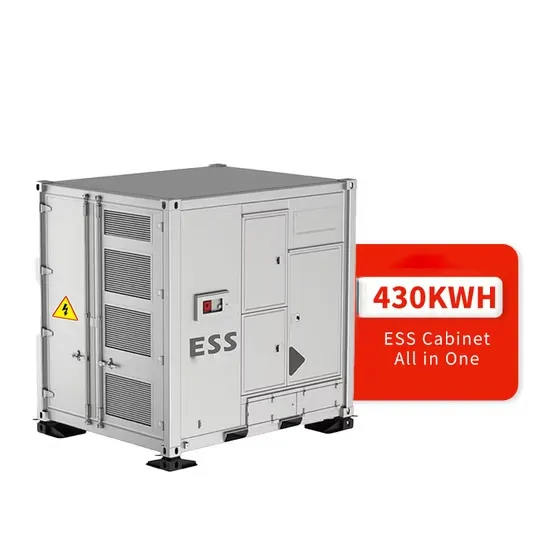
Solar Power Generation National Wholesale Market
We provide project-level (UPV) annual summaries of the solar generation, curtailment, average wholesale energy value, average capacity value (both in $/MWh and $/kW-yr), combined energy and capacity value, and value factor in Annual_Solar_Value_by_plant. . Drawing upon a vast amount of plant-level empirical data from 1,437 large-scale projects, a new Berkeley Lab study quantifies the “net market value” of wind and solar over time. Net market value (net value, for short) is defined as the difference between the cost of replacing solar and wind. . Currently, electricity products can be traded at more than two dozen hubs and delivery points in North America, and natural gas products can be traded at more than 120 hubs. Each presentation focuses on global and U. supply and demand, module and system price, investment trends and business models, and. . es that may consider establishing similar goals.
[PDF Version]
 MENU