
-
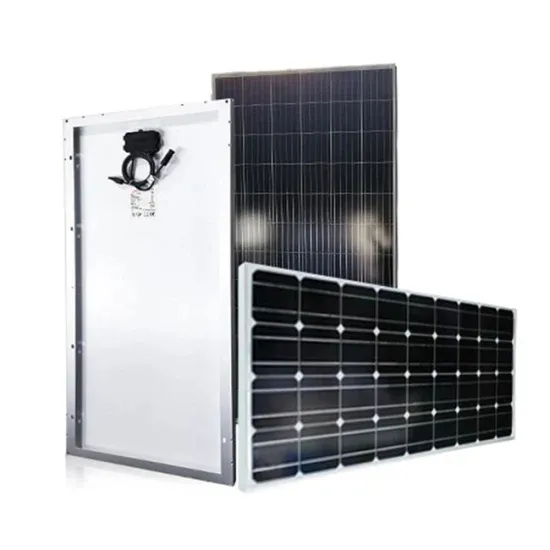
Communication 5g small base station photovoltaic power generation system work
Base station operators deploy a large number of distributed photovoltaics to solve the problems of high energy consumption and high electricity costs of 5G base stations. In this study, the idle space of the.
[PDF Version]
-
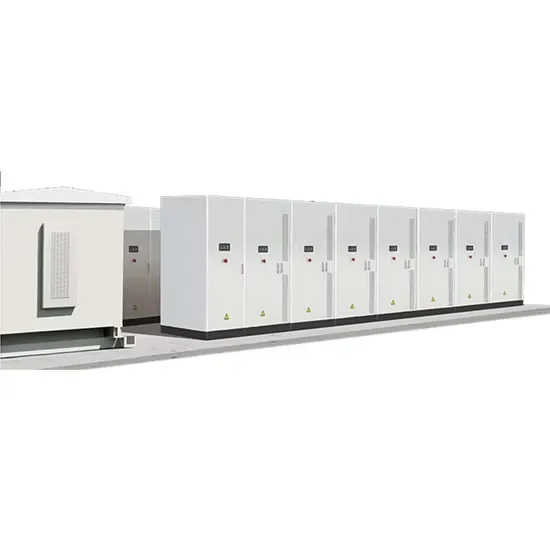
Big square small solar power generation
This guide will help you understand how to choose the right size solar generator for your house. . The first ever life-cycle analysis comparing big and small solar photovoltaic systems has concluded that small-scale solar systems are in fact better for the environment than even the largest, and most efficient, solar farm. In the 20th century, there were fewer energy choices. Almost everyone generated their own heating at home, from coal, oil or natural gas, and virtually nobody produced their own electricity. As we transition to a low-carbon, all-electric world, we can now. . To run a house with a solar generator, you need the right size. 10 USD per watt according to Rystad Energy, compared to $4. This article explores these critical factors, highlights. .
[PDF Version]
-
Small square on the wind power station of communication base station
As shown in Figure S3 each user accesses a base station, and the BS then allocates a channel to each new user when there is remaining channel capacity. If all of the channel capacity of a BS is occupied, a user cannot access this BS and must instead access another BS that is farther. . The presentation will give attention to the requirements on using windenergy as an energy source for powering mobile phone base stations. 5G Communication Base Stations Participating in Demand. With 5G roll outs gathering momentum, we are seeing existing cell sites pushed to their load-bearing limit, but more is still needed. Due to the cost and logistical challenges, acquiring new sites is often not a practical. . concerns for the impact of antenna wind load on the tower. This white paper des ribes how this parameter is determined and its values are obtained.
[PDF Version]
-
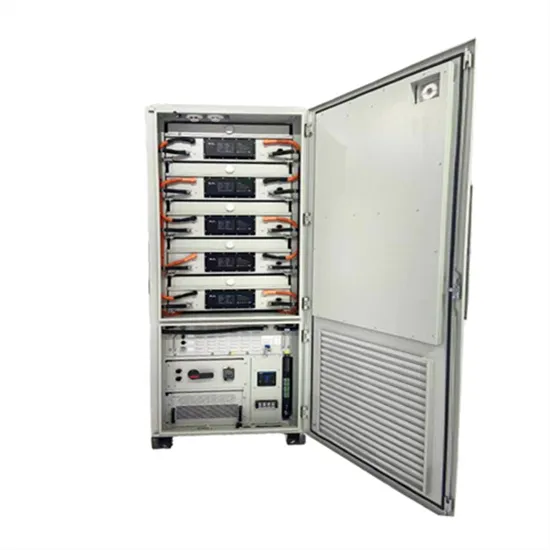
Lome small off-grid energy storage power station
Meanwhile, 16km away, the Lome Electrochemical Energy Storage Project hums quietly, storing enough solar energy from daytime to power 12,000 homes. This $220 million initiative isn't just about batteries - it's rewriting Africa's energy playbook [1] [6]. Forget "boring. . If you're searching for how much the Lome BESS outdoor power supply costs, you're likely evaluating reliable energy storage for off-grid adventures, emergency backup, or renewable projects. This article breaks down pricing factors, compares it with competitors, and explains why it's a top choi If. . Lome energy storage power station is connected to t tions of energy storage power stations in the actu fect of energy storage (Zheng et al. Kalay an is a pumped storage project. The 250MW. . In this paper, considering the important function of pumped-storage power station (PPS) in promoting the "source-grid-load-storage" synergy and complement in the construction Introduction Pumped storage hydropower (PSH) is a proven energy storage technology. So, storage can increase system efficiency and resilience, and it can improve power. .
[PDF Version]
-
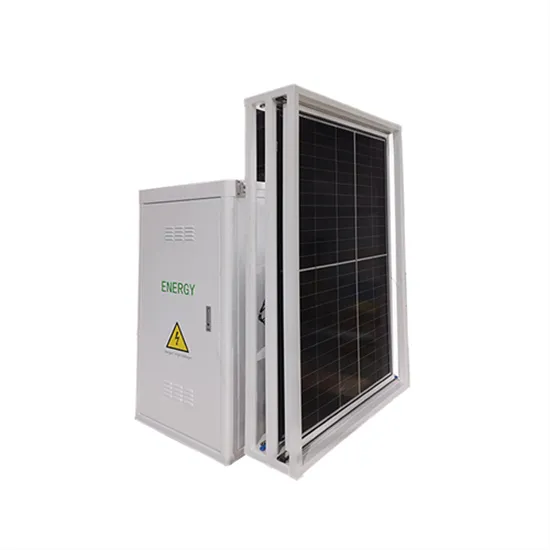
Small off-grid solar power generation for household use
This guide shows how solar power and compact battery storage create a practical, resilient system for a tiny house lifestyle. . Breaking free from the traditional power grid offers independence and sustainability, but building your own off-grid electrical system might seem overwhelming at first. You'll discover that with proper planning and understanding of basic components like solar panels, batteries, and inverters. . Nearly 60% of a tiny house's annual energy needs can be met by a modest array of solar panels, turning what seems like a large bill into a predictable monthly plan.
[PDF Version]
-
The impact of installing a small green base station for communication
In this work we answer several questions about the environmental impact of 5G deployment, including: Can we reuse minerals from discarded 4G base stations to build 5G or does 5G require new minerals that were not required in 4G base stations? And, how sustainable is. . In this work we answer several questions about the environmental impact of 5G deployment, including: Can we reuse minerals from discarded 4G base stations to build 5G or does 5G require new minerals that were not required in 4G base stations? And, how sustainable is. . Abstract—5G is a high-bandwidth low-latency communication technology that requires deploying new cellular base stations. The environmental cost of deploying a 5G cellular network remains unknown. In this work we answer several questions about the environmental impact of 5G deployment, including:. . Cellular base stations powered by renewable energy sources such as solar power have emerged as one of the promising solutions to these issues. The article also discusses. . Data traffic and the number of mobile subscribers have increased significantly prompting cellular network operators to install additional mobile cellular base stations (BSs) to meet the increasing demand. It examines research articles to pinpoint important strategies. How signals attenuate with distance? How densification defeats the curse of distance? All 4 Green BS combined consume 1⁄2 the power of red BS! Splitting to. .
[PDF Version]
 MENU