
-
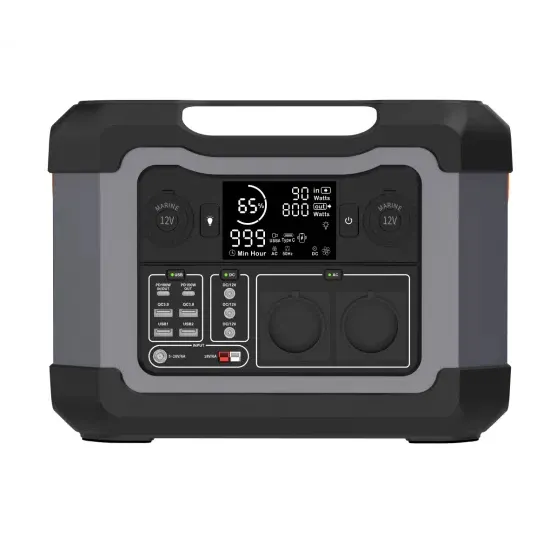
Sales of mobile energy storage containers for bidirectional charging in schools
This bidirectional energy flow turns each bus into a mobile battery bank capable of supporting grid stability while generating revenue for school districts. A typical electric school bus battery pack ranges from 155 kWh to 220 kWh, enough to power 10-15 average. . A major growth factor for the bidirectional school bus charging market is the accelerating adoption of electric school buses across public and private educational institutions. As governments worldwide set ambitious targets for emission reduction and clean mobility, school districts are. . Bidirectional electric vehicles (EV) employed as mobile battery storage can add resilience benefits and demand-response capabilities to a site's building infrastructure. This revolutionary Vehicle-to-Grid (V2G) technology transforms school buses. . California's Clean Transportation Program invests $2. This innovative approach not only benefits the environment but also strengthens. .
[PDF Version]
-
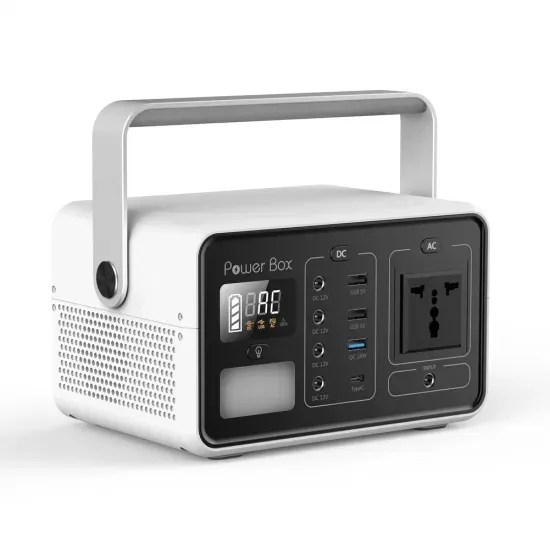
Brief discussion on solar container and energy storage inverter
This article examines the various types of energy storage inverters, their operational principles, and the benefits and limitations they present, including considerations for energy needs and grid stability. In this guide, we'll explore the components, working. . The shipping container energy storage system represents a leap towards resourcefulness in a world thirsty for sustainable energy storage solutions.
[PDF Version]
-
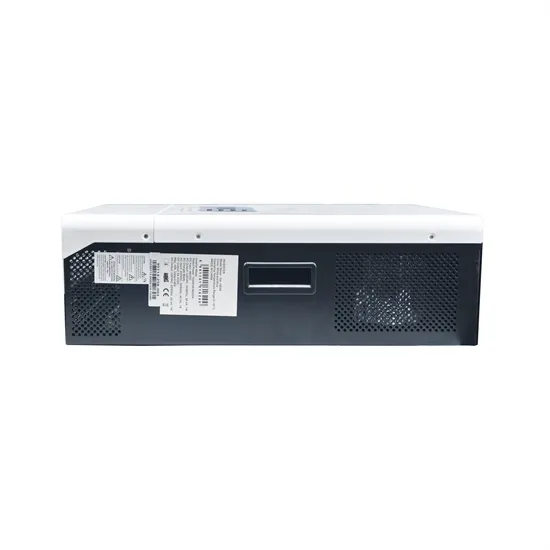
Energy storage cabinet bidirectional charging solar energy storage vs power grid
The secret sauce isn't just sunshine—it's the energy storage cabinet tucked in their garage. Let's crack open these technological marvels and see which. . By integrating modern battery systems and sophisticated Bidirectional power supplies, homeowners can store excess solar energy for later use, reducing dependence on the grid and enhancing energy independence. Besides that, in certain countries trading with the stored energy offers another. . Superior Backup Power Economics: Bidirectional EV systems provide 3-7 days of home backup power at $5,000-$12,000 total cost, significantly undercutting traditional generators ($8,000-$15,000) and dedicated battery systems ($15,000-$25,000) while serving dual transportation and energy storage. . Lithium-ion batteries have emerged as the current dominant technology, offering improved energy densities, cycle life, and reliability. Meanwhile, lower-cost alternatives to lithium, such as sodium-sulphur, are also being developed.
[PDF Version]
-
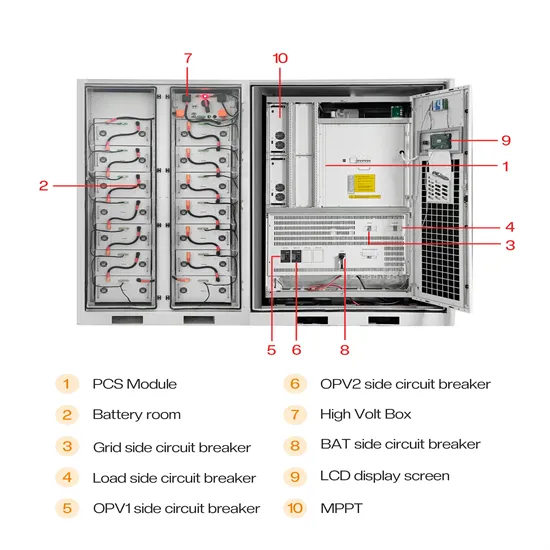
Leading enterprise of energy storage solar inverter
The top 10 companies driving cutting-edge storage tech and supporting the push toward a safe and decentralized carbon-free future are highlighted in this article. Tesla Energy (USA) Tesla Energy, a part of Tesla Inc., with its Powerwall and Megapack products, has revolutionized the. . PVTIME – On 10 June 2025, the PVBL 2025 Global Top 100 Solar Brands rankings and the PVBL 2025 Global Solar Brand Influence Report were unveiled at the 10th Century Photovoltaic Conference in Shanghai, China. During the conference, PVBL announced its annual ranking of the top 20 global solar. . This comprehensive update delivers the most current and in-depth bankability assessments across the solar value chain, covering PV Module, Inverter, and Energy Storage manufacturers. Whether you're planning your 2026 procurement roadmap or navigating today's evolving supplier landscape, these. . In this article, we explore the top 10 solar inverter manufacturers to watch in 2025, each contributing to the global shift toward smarter, more efficient energy systems. A solar inverter is a key component in any solar power system, converting DC electricity from solar panels into AC power used by. . In the growing world of energy storage, there are some companies whose individual stars have risen to the top; some of them have found creative and scalable storage systems to work in conjunction with solar and wind.
[PDF Version]
-
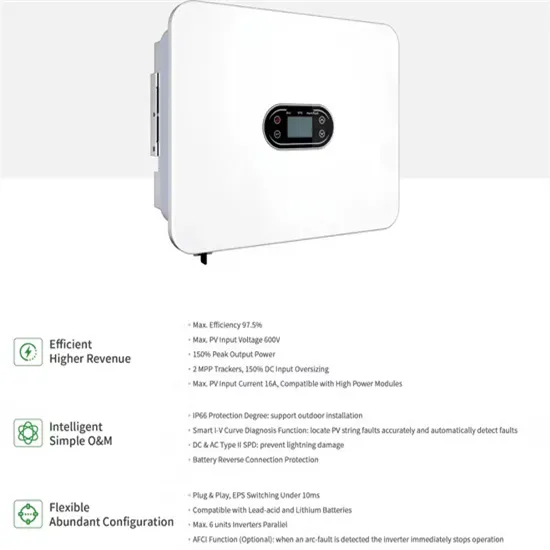
How big is the solar energy storage cabinet lithium battery inverter
It has a voltage range of 448-584V and dimensions of 240011002450mm, with an IP54 protection rating. . The SafeCubeA100A50PT Integrated Energy Storage Cabinet is equipped with 3. It has an IP54 protection rating and complies with multiple. . Namkoo NKB Series 215kwh commercial & industrial energy storage system adopts the all in one design concept. The cabinet is integrated with battery management system (BMS),energy management system (EMS),modular power conversion system (PCS),and fire protection system. Lithium batteries are EVE brand, whose LFP chemistry packs 215kWh of energyinto a battery volume weighing 3100kg. Making wire management a breeze. It can be used with our company's Atlas Lithium Powerwalls & inverters for quick and clean wire management & fire safety protection or with any. . Sunark outdoor ESS cabinet offers IP54 protection, 215kWh capacity + 100kW output, modular design, 480-700V wide voltage, 125A peak current, integrated EMS/BMS/hybrid inverter, and grid-tied outdoor readiness. PV Power Related Tags : bess 100kwh 100kwh battery energy. . The all-in-one air-cooled ESS cabinet integrates long-life battery, efficient balancing BMS, high-performance PCS, active safety system, smart distribution and HVAC into one cabinet, enabling long-term operation with safety, stability and reliability. Through AC side parallel connection, it. .
[PDF Version]
-
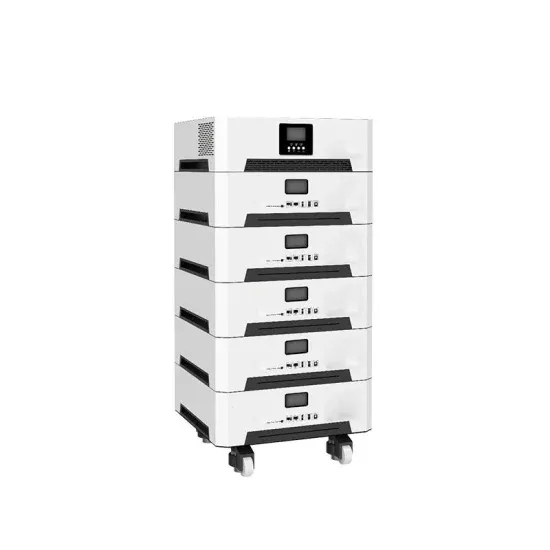
Energy storage inverter system voltage range
The energy inverted into AC power can be connected to the electrical network at low (<1000 Volts) or medium voltage (<40. . Three-phase transformerless storage inverter with a battery voltage range up to 1,500 Vdc, directed at AC-coupled energy storage systems. 86 MVA, with all the elements integrated on a full skid, equipped with one or two INGECON SUN STORAGE 3Power C Series HV inverters. ABB provides the necessary electrical. . Energy storage systems, alongside photovoltaic inverters, are integral to the advancement of renewable energy. These systems convert direct current (DC) generated by solar panels into alternating. . The inverter voltage of an energy storage system refers to the electrical potential generated by the inverter component when converting direct current (DC) from batteries or other sources into alternating current (AC) for grid compatibility or direct appliance utilization. Here we see the three phases (a phase, b phase, and c phase), each phase shifted by 120o from one another. MPPT Voltage Range: The voltage range for Maximum Power Point Tracking (MPPT), which. .
[PDF Version]
 MENU