
-
10kW solar energy with large battery
A 10kW home solar system with battery backup is large enough to power a typical family home or a small business, yet small enough to fit on a modest roof. In most markets a 10 kW solar array can generate roughly 11–15 MWh per year, which. . The 10kw solar battery price can seem high at first glance, but it's crucial to look beyond the sticker price. We'll explore how the total cost is shaped by factors like warranty, brand quality, and installation complexity. Installation costs can add about $1,000 to $3,000, depending on the setup. Prices vary based on reputable brands and battery types, with efficiency impacting overall costs. Solar power kits now integrate panels with high-capacity lithium batteries and hybrid inverters for stable energy production and storage.
[PDF Version]
-
4 MW solar scale
Utility-scale solar refers to large solar installations designed to feed power directly onto the electric grid. The focus is on ground-mounted systems larger than 5M AC, including photovoltaic (PV) standalone and PV+battery hybrid projects (smaller projects are covered in Berkeley Lab's. . Abstract—The rapid deployment of large numbers of utility-scale photovoltaic (PV) plants in the United States, combined with heightened expectations of future deployment, has raised concerns about land requirements and associated land-use impacts. The power is sold at. . NLR analyzes the total costs associated with installing photovoltaic (PV) systems for residential rooftop, commercial rooftop, and utility-scale ground-mount systems. This work has grown to include cost models for solar-plus-storage systems. NLR's PV cost benchmarking work uses a bottom-up. .
[PDF Version]
-
Cost of standard power scale solar energy storage cabinet in southeast asia
This article shares four field-proven configurations—from compact 5 kW setups to 10 kW off-grid cabinets—highlighting design rationale, commissioning notes, and the business impact typical in the region. . For commercial sites, adding energy storage systems (ESS) to solar PV isn't just a “green” upgrade—it's a practical way to stabilize operations, shave peak demand, back up critical loads, and reduce diesel consumption. Going forward, the bigger the deployment, the more cost-efficient they will get, per. . The ASEAN energy storage market is segmented by type (pumped-hydro storage, battery energy storage systems, and other types), application (residential, commercial, and industrial), and geography (Indonesia, Vietnam, the Philippines, Malaysia, and the rest of ASEAN). The report offers the market. . nstraints, is facing unique challenges in the energy transition. The combination of the shift to renewable energy and the lack of grid stability in several Southeast Asian nations indicates the need for storage technologies, a need which is starting to be recognised at governmental level. Ideal for areas without grid access. In a scenario where global warming is restricted to “well below 2°C” within the aims of the Paris Agreement, Southeast Asia countries must deploy around 21GW of renewable energy each year to 2030 and abou each an 18% share of generation by. .
[PDF Version]
-
Solar power generation large
The global solar energy landscape has undergone a remarkable transformation in 2025, with mega solar projects now spanning thousands of acres and generating enough clean electricity to power entire cities. . China's Overwhelming Dominance: China controls 11 of the top 15 largest solar farms globally, with the Gonghe Talatan Solar Park leading at 15. 6 GW capacity – equivalent to Singapore's entire land area and capable of powering millions of homes annually. In June 2024, China connected the 3. What percentage of electricity is generated by solar power worldwide? In 2019, approximately 2% of the world's. . As of October 2024, China, United Arab Emirates, and India have taken over as the leading developers of large-scale solar power projects. If playback doesn't begin. . Electricity generation by the U. electric power sector totaled about 4,260 billion kilowatthours (BkWh) in 2025. In our latest Short-Term Energy Outlook (STEO), we expect U. 6% in 2027, when it reaches an annual total of 4,423 BkWh.
[PDF Version]
-
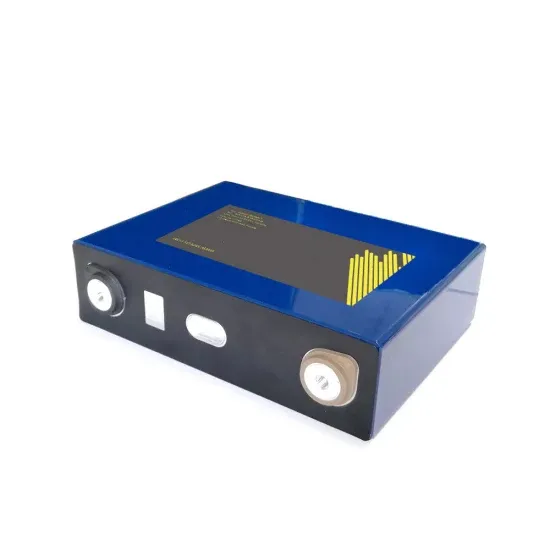
Cost of a standard power scale solar energy storage cabinet for base stations
As of early 2026, the global average installed price for high quality off grid systems has stabilized between $350 and $550 per kilowatt hour. . Energy storage cabinet costs aren't one-size-fits-all. Here's what buyers should know: "The sweet spot for ROI currently lies in 50-100kW systems with hybrid configurations," notes energy. . These benchmarks help measure progress toward goals for reducing solar electricity costs and guide SETO research and development programs. Read more to find out how these cost benchmarks are modeled and download the data and cost modeling program below. To put this in perspective, just four years ago in. . As of 2025, prices range from $0. But wait—why the wild variation? Let's dive deeper. The Big-Ticket Items:. . Perfect For: ► Telecom operators (reduce grid dependence, cut energy costs) ► Remote base stations (where grid power is unreliable) ► Urban micro-cells (space-efficient, silent operation) ► Emergency comms (disaster-resistant power backup) Why Engineers Specify This: 48VDC native output (directly. .
[PDF Version]
-
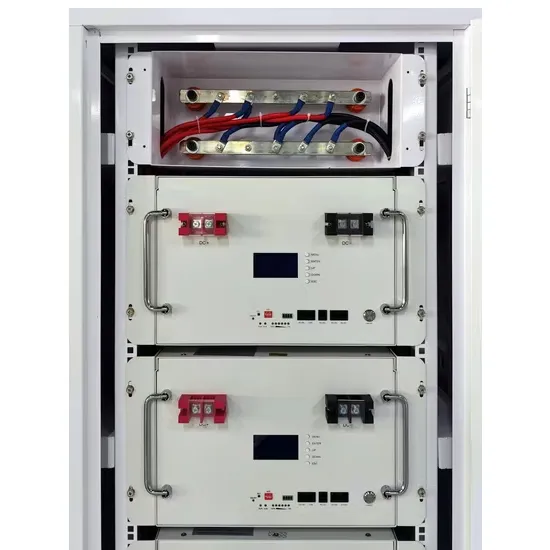
What does solar energy storage scale mean
Energy storage power scale encompasses the capacity and ability of energy storage systems to store and release energy, including aspects like size, technology types, applications, and performance metrics. Deployments of these systems have increased dramatically over. . What is grid-scale battery storage? Battery storage is a technology that enables power system operators and utilities to store energy for later use. As the world rapidly transitions towards cleaner energy sources, the need for efficient storage solutions has become increasingly critical.
[PDF Version]
 MENU