
-
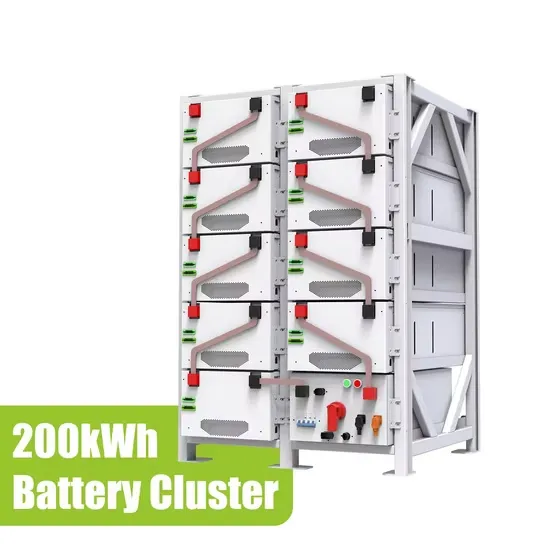
Solar plus energy storage package
A solar plus storage system combines solar panels for electricity generation with battery energy storage, allowing excess energy to be stored for later use. Without storage, most solar power systems shut down during. . This blog post will explain the terminology around solar-plus-storage, how many solar-plus-storage systems are in the country, and what they cost. Solar panels have one job: They collect sunlight and transform it into electricity. But they can make that energy only when the sun is shining. This is called a solar-plus-storage system. This. . For solar-plus-storage—the pairing of solar photovoltaic (PV) and energy storage technologies—NLR researchers study and quantify the economic and grid impacts of distributed and utility-scale systems.
[PDF Version]
-
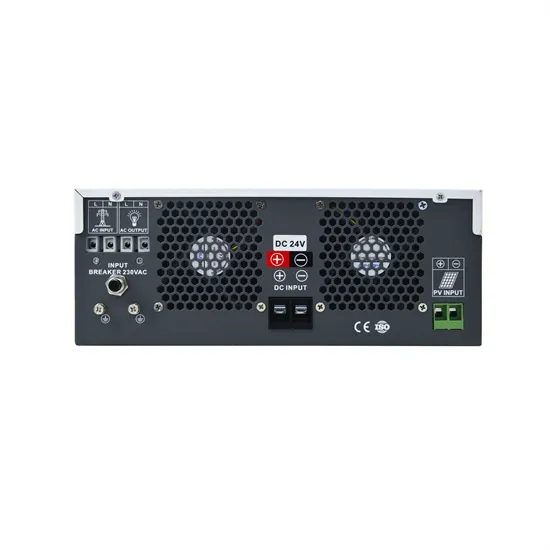
Price of 20-foot site container solar solar container energy storage system
The energy storage system is essentially a straightforward plug-and-play system which consists of a lithium LiFePO4 battery pack, a lithium solar charge controller, and an inverter for the voltage requested. Price is $387,400 each (for 500KWH Bank) plus freight shipping from China. But let's cut through the hype: why does a 20-foot solar container range from $28,800 to over $150,00. . Increas your energy capabilities with our compact and powerful 20ft Solar Energy Container construction. Designed to be strong and mobile, it offers 140kWh per day, thanks to its 60 m² solar array and 50 kWh battery storage. It's a rapid-deployment energy solution that starts powering your needs in. . The 20FT 500kW / 1200kWh BESS is an integrated containerized energy storage solution, featuring a 500kW Megarevo hybrid inverter combined with a 1200kWh lithium battery system. Designed for solar + storage, microgrid, and commercial & industrial energy applications, this system supports both. .
[PDF Version]
-
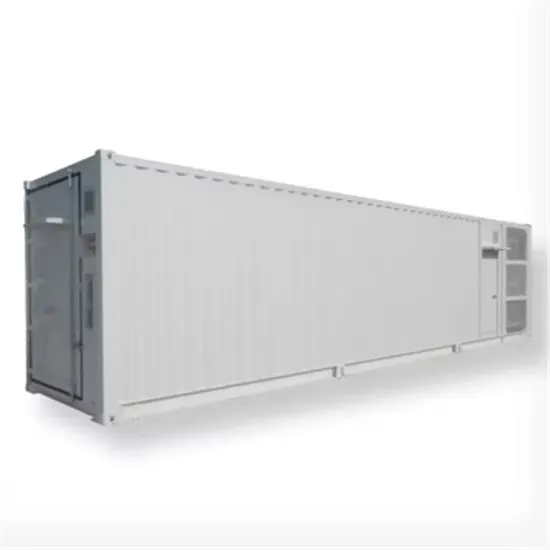
Commercial solar plus storage
Pre-integrated C&I solar plus storage combining SolarEdge inverters, ONE EMS, and Socomec batteries to simplify deployment and maximize ITC eligibility. . For solar-plus-storage—the pairing of solar photovoltaic (PV) and energy storage technologies—NLR researchers study and quantify the economic and grid impacts of distributed and utility-scale systems. Much of NLR's current energy storage research is informing solar-plus-storage analysis. It's designed to empower: The SolarEdge ONE EMS is the. . As businesses seek more sustainable and cost-effective energy solutions, commercial solar battery storage has emerged as a game-changer. Most storage systems used by. .
[PDF Version]
-
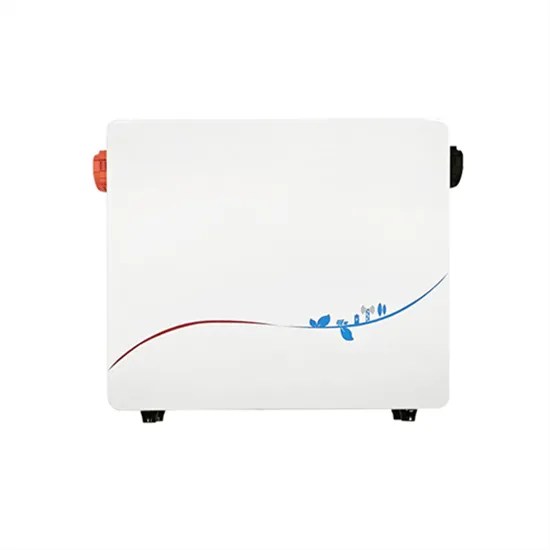
Application of solar plus energy storage
Energy storage can provide multiple grid services. It can support grid stability, shift energy from times of peak production to peak consumption, and reduce peak demand. Solar-plus-storage shifts some of the solar system's output to evening and night hours and provides other. . This blog post will explain the terminology around solar-plus-storage, how many solar-plus-storage systems are in the country, and what they cost. Solar panels have one job: They collect sunlight and transform it into electricity. That's. . For solar-plus-storage—the pairing of solar photovoltaic (PV) and energy storage technologies—NLR researchers study and quantify the economic and grid impacts of distributed and utility-scale systems. This integration allows solar energy to be stored for use during times when the sun is not shining, such as at night or during. . These systems are not just tools for households and businesses to reduce electricity costs—they are essential for grid stability, energy independence, and achieving net-zero carbon goals.
[PDF Version]
-
Does Australia solar power generation require energy storage
The CSIRO Renewable Energy Storage Roadmap identifies a mix of technologies will be required, across sectors, to meet Australia's energy storage needs, particularly at night. Solar thermal will be an important part of the mix. . In 2025, Australia is experiencing explosive growth in solar and energy storage. This guide comprehensively analyzes off-grid battery systems in Australia, the best solar batteries in Australia, solar batteries in Australia, 20kWh batteries, and lithium solar batteries in Australia. What's next? The. . A review by AECOM of the energy storage market and recommendations to ARENA for funding and knowledge sharing priorities. The role of enabling technologies such as energy storage is becoming more important as Australia moves towards higher penetrations of intermittent renewable generation such as. . Australia's energy story in 2025 looks a lot like a plot twist: rooftop solar — long the headline renewable — is still vast and growing on aggregate, but momentum has shifted. Batteries (both home-scale and grid-scale) are surging, reshaping how electricity is produced, stored and used. Battery capacity (kWh): The amount of energy your solar battery can store for later use.
[PDF Version]
-
How big is the solar power station of a 1MW base station container energy storage station
A 100-square-foot installation area is required for a 1 kW solar system. . What is pknergy 1MWh battery energy solar system? PKNERGY 1MWh Battery Energy Solar System is a highly integrated,large-scale all-in-one container energy storage system. Housed within a 20ft container, it includes key components such as energy storage batteries, BMS, PCS, cooling systems, and fire protection systems. It is an ideal solution for. . 1 MWh and construction scale of 1 MW/1 MWh. 04 MWh lithium iron phosphate battery pack carried by a 20-foot prefabricated container with dimensions of 6058 mm x 2438 mm x 2896 mm. Each energy storage unit has a capacity of 1044.
[PDF Version]
 MENU