
-
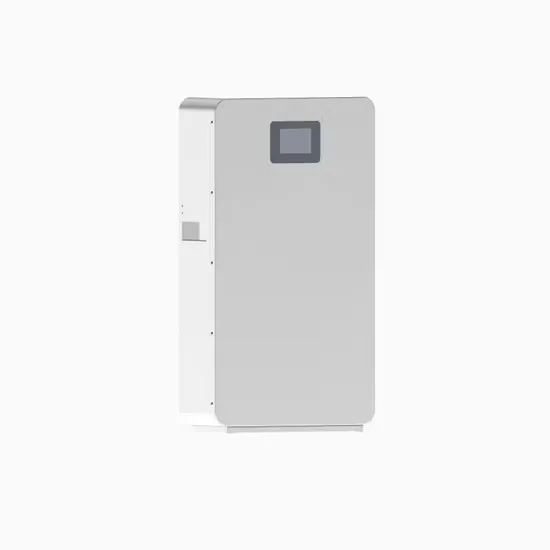
Lithium battery energy storage technology reform
Global battery research is redefining energy storage through new chemistries, safer designs, and scalable technologies worldwide. . Battery storage in the power sector was the fastest growing energy technology in 2023 that was commercially available, with deployment more than doubling year-on-year. Strong growth occurred for utility-scale battery projects, behind-the-meter batteries, mini-grids and solar home systems for. . This report on accelerating the future of lithium-ion batteries is released as part of the Storage Innovations (SI) 2030 strategic initiative. They became so common that most people stopped questioning how they work or whether something better could exist.
[PDF Version]
-
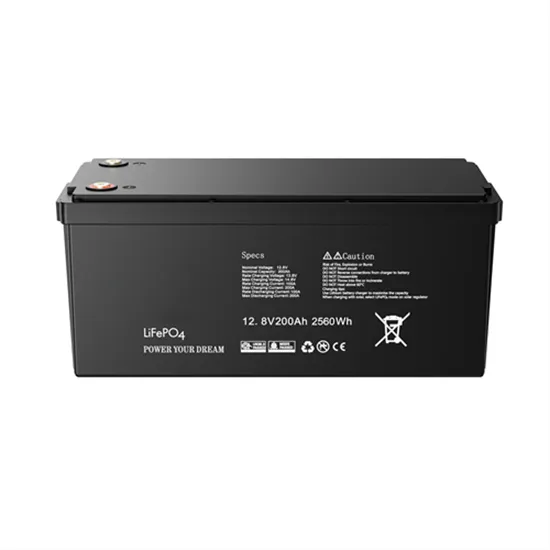
Which part of the inverter is the energy storage capacitor
It stores energy from the DC source (like a battery) and provides a stable DC voltage to the inverter circuit. . Inverters play a crucial role in energy conversion and storage. These components include batteries, capacitors, and flywheels, 3. This conversion requires precise energy management, and the capacitor is central to this task, functioning as an energy storage and. . At its core, a capacitor is an electronic component that stores electrical energy in an electric field. They help convert AC to DC, thereby enhancing the accessibility of sustainable power.
[PDF Version]
-
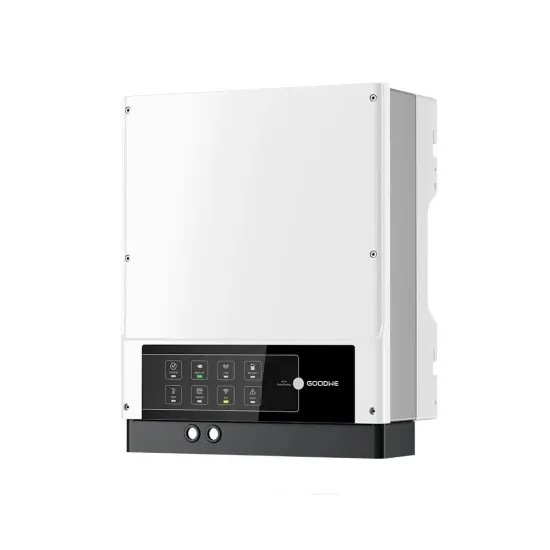
How to get started with solar energy storage technology
This guide offers a clear path to understanding how a complete home solar battery installation comes together, from the essential components to the final commissioning. A solar battery storage system is an ecosystem of parts working together. Sometimes two is better than one. Energy storage systems for solar energy are crucial for optimizing the capture and use of solar power, allowing for the retention of excess energy generated during peak sunlight hours for later use. The guide is organized aro nd 12 topic area questions.
[PDF Version]
-
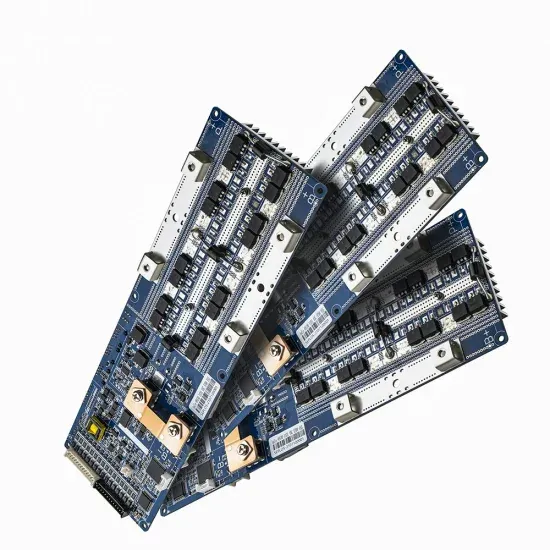
Technology wind and solar complementary solar energy storage cabinet power supply system
The wind-solar complementary power supply system uses batteries as energy storage components and employs the complementary combination of wind power and solar photovoltaic power to extend the lifespan of the batteries and enhance the reliability of the power supply system. It is mainly divided into off-grid and grid-connected types. Off-grid systems utilize solar PV arrays and wind turbines to store generated electricity in battery. . HOMER (Hybrid Optimization Model for Electric Renewables) is an effective simulation and optimization platform for hybrid renewable energy. By inputting specific users' energy resource data (such as wind speed, solar radiation, etc.
[PDF Version]
-
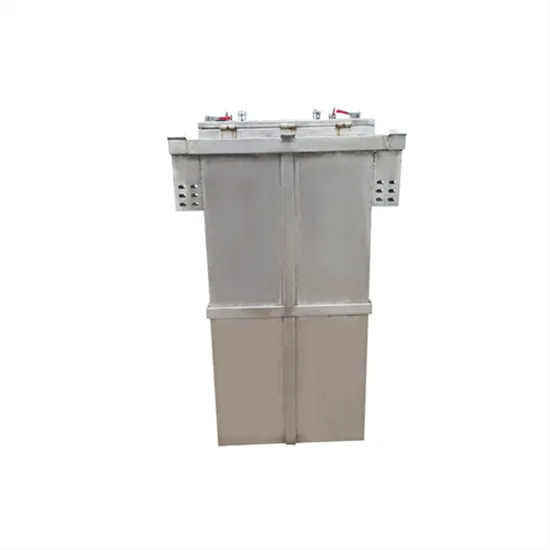
Super solid-state capacitor energy storage manufacturer
This article profiles the top 10 global supercapacitor manufacturers providing state of the art ultracapacitor cells and modules catering to varying energy, power density and form factor requirements. SPEL TECHNOLOGIES PRIVATE LIMITED, 2. Taiwan Zhifengwei Technology Co. 08 billion in 2024 and is expected to reach $11. 0%. . Battery Backup Unit (BBU) (modules and racks) for data center backup power, based on Skeleton's proprietary SuperBattery energy storage technology. High-power, long lifetime grid-scale energy storage systems for E-STATCOM and datacenter applications. Unlike regular capacitors, it can store a significantly larger electric charge, offering enhanced energy density while retaining the swift discharge capabilities commonly. . The Super Capacitor Market is witnessing robust growth worldwide as industries increasingly shift toward sustainable, high-efficiency energy storage solutions. As a global partner and reseller of Enercap Power Industries/Kilowatt Labs, Emtel specializes in turnkey solutions that seamlessly integrate. .
[PDF Version]
-
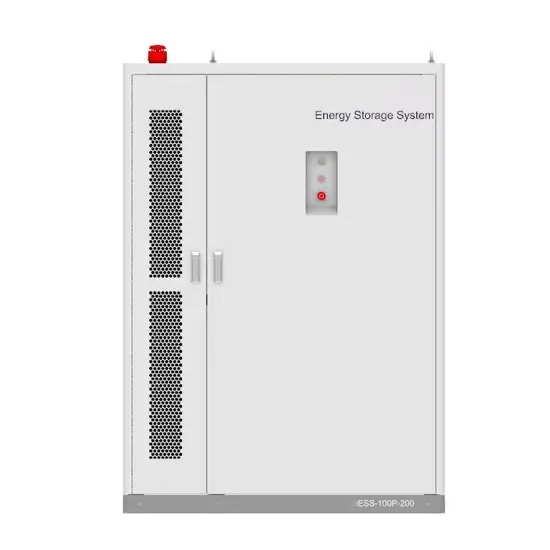
Lithium Battery Energy Storage Technology Research Institute
We are researching ways to improve storage for battery systems such as lithium ion, advanced lead acid, flow batteries, ultra-capacitors and battery management systems. We are fully compliant with government, industry, safety and environmental regulations for. . What is a lithium-ion battery and how does it work? The lithium-ion (Li-ion) battery is the predominant commercial form of rechargeable battery, widely used in portable electronics and electrified transportation. The rechargeable battery was invented in 1859 with a lead-acid chemistry that is still. . The RIT Battery Development Center (BDC) is a state-of-the-art research and rapid prototyping and testing facility focused on the development and qualification of emerging energy storage technologies through a partnership between NY-Battery Energy and Storage Technologies (NY-BEST) and the. . Our Energy Storage Technology Center integrates multidisciplinary expertise in automotive, electrical, chemical and mechanical engineering. Energy storage batteries are manufactured devices that accept, store, and discharge electrical. . Battery energy storage systems (BESS) stabilize the electrical grid, ensuring a steady flow of power to homes and businesses regardless of fluctuations from varied energy sources or other disruptions. They became so common that most people stopped questioning how they work or whether something better could exist. But across laboratories, pilot plants. .
[PDF Version]
 MENU