
-
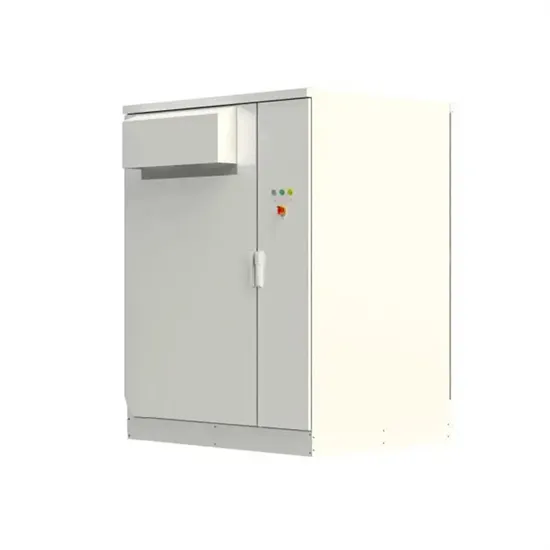
Six major functions of BMS battery management system
A BMS may monitor the state of the battery as represented by various items, such as: • : total voltage, voltages of individual cells, or voltage of periodic taps • : average temperature, coolant intake temperature, coolant output temperature, or temperatures of individual cells
[PDF Version]
-
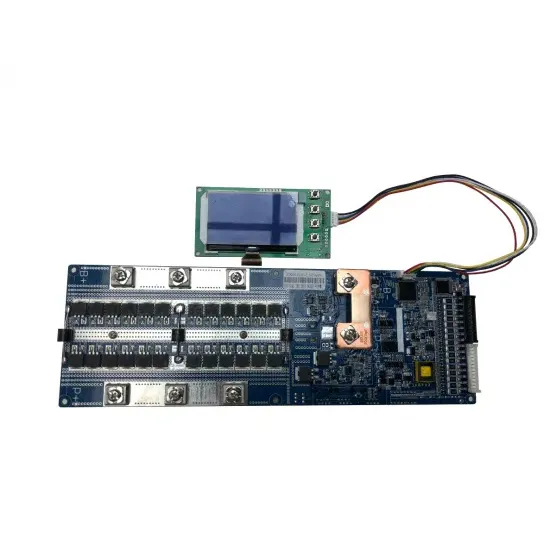
The composition of the Finnish BMS battery management control system
The below diagram shows these BMS building blocks. ) If the BMS is the brain of the battery, the controller is the brain of the BMS. This chip coordinates the functions of the BMS, monitoring the state of each cell. . A Battery Management System (BMS) is a crucial component in any rechargeable battery system. It's responsible for monitoring the condition of every cell in the battery pack and distributing the load accordingly, keeping track of important parameters including state-of-charge (SoC) and state-of-health (SoH). Their innovative platform is designed for effective fleet management and condition monitoring of industrial. .
[PDF Version]
-
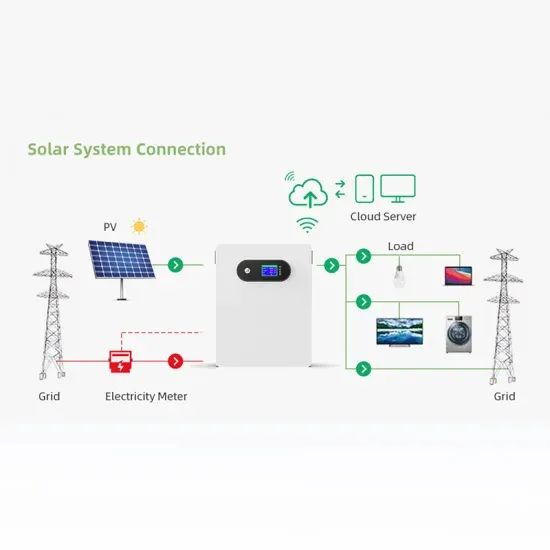
The role of the BMS battery management control system in the Democratic Republic of the Congo
"A properly configured BMS can increase battery lifespan by 40% in tropical climates," says Jean Kabongo, energy consultant for Central African projects. DRC's combination of high humidity, temperature fluctuations (25°C-38°C), and dust requires specialized BMS configurations:. In the Democratic Republic of Congo (DRC), industries like mining operations, solar energy storage, and telecom infrastructure require robust power solutions. A Battery Management System (BMS) ensures optimal performance, safety, and longevity of lithium-ion and lead-acid batteries – critical for. . The Battery Management System (BMS) is the brain of the battery, focusing on monitoring, protecting, and optimizing battery performance. Ask questions if you have any electrical, electronics, or computer science doubts. Its core task is real-time monitoring, intelligent regulation, and safety protection to ensure that the battery. . Democratic Republic of the Congo BMS battery management control system role Democratic Republic of the Congo BMS battery management control system role What is a battery management system? The battery management system is an electronic system that controls and protects a rechargeable battery to. . A battery management system (BMS) controls ion; redox-flow systems; system optimization how the storage system will be used and a BMS that utilizes advanced physics-based models will offer for much more robust operation of the storage system.
[PDF Version]
-
Lithium battery energy storage development barriers
In this report we analyze drivers, barriers, and enablers to a circular economy for LiBs used in mobile and stationary BES systems in the United States. National and international policy focused on reducing carbon emissions and increasing electric grid resiliency continue to drive demand for mobile and. . This report on accelerating the future of lithium-ion batteries is released as part of the Storage Innovations (SI) 2030 strategic initiative. Lithium-sulfur (Li-S) batteries are regarded as one of the most promising next-generation battery devicesbecause of their remarkable ntegration of large-scale. .
[PDF Version]
-
Bulgaria lithium battery BMS solution
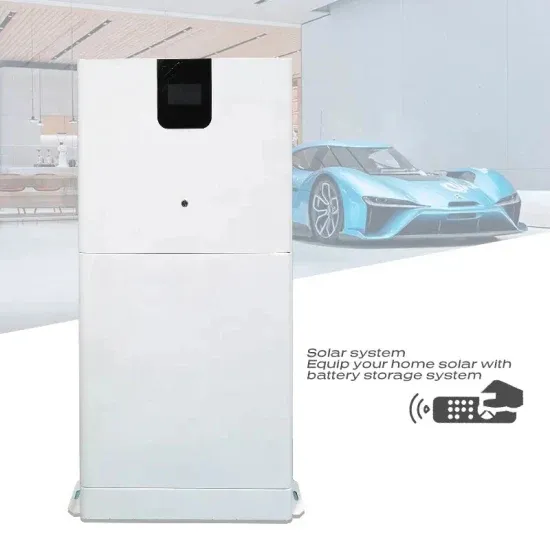
Against this backdrop, BYD and ContourGlobal's 500MWh battery energy storage system (BESS) in Bulgariarepresents a significant step in strengthening grid reliability across Southeast Europe. The project arrives at a critical moment. The Exeron X-BESS is one of only six strategic projects in the European Union with a designation under the Net Zero Industry Act. As EU member states accelerate solar and wind deployment under the. . Shanghai Sermatec Energy Technology Co Ltd announced on Friday the installation of a 5. We engineer our solutions for seamless integration across various industries, including robotics, automotive, and medical devices. When you. . A battery management system (BMS) is any electronic system that manages a ( or ) by facilitating the safe usage and a long life of the battery in practical scenarios while monitoring and estimating its various states (such as and ), calculating secondary data, reporting that data, controlling its. . Battery management systems are designed to monitor the operation of low- and high-voltage batteries in electric vehicles or energy storage systems. At Ennovation Technology, we are the manufacturer of BMS, responsible for both hardware and software. Our offer includes two types of systems, high. .
[PDF Version]
-
Lithium iron phosphate solar container battery development
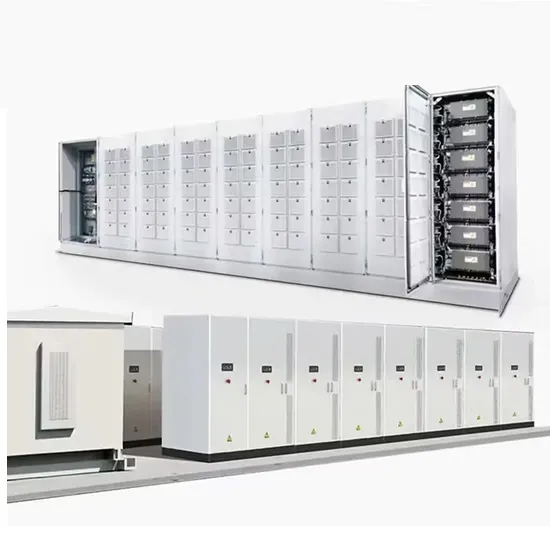
This review paper provides a comprehensive overview of the recent advances in LFP battery technology, covering key developments in materials synthesis, electrode architectures, electrolytes, cell design, and system integration. . LiFePO4 batteries offer exceptional value despite higher upfront costs: With 3,000-8,000+ cycle life compared to 300-500 cycles for lead-acid batteries, LiFePO4 systems provide significantly lower total cost of ownership over their lifespan, often saving $19,000+ over 20 years compared to. . Lithium iron phosphate (LFP) batteries have emerged as one of the most promising energy storage solutions due to their high safety, long cycle life, and environmental friendliness. In recent years, significant progress has been made in enhancing the performance and expanding the applications of LFP. . While several lithium-based technologies have served the industry over the past decade, lithium iron phosphate batteries for solar storage now power a substantial portion of new stationary installations. This is in part because the lithium iron phosphate option is more stable at high temperatures, so they are resilient to over charging.
[PDF Version]
 MENU