
-
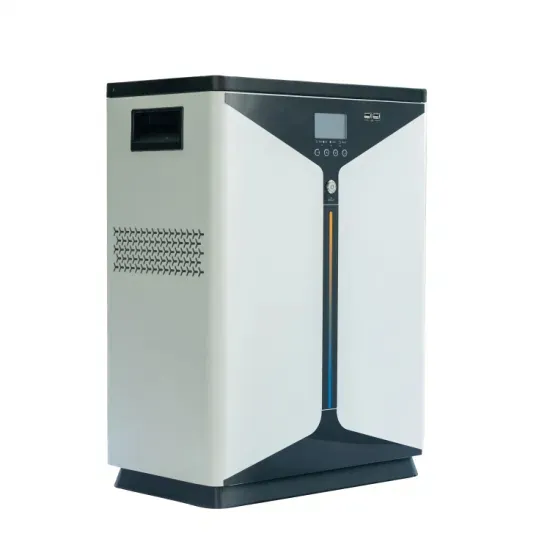
Energy storage liquid cooling system cost calculation
When evaluating liquid cooling energy storage pack cost, prices typically range between $200-$500 per kWh depending on system scale and configuration. Industrial-grade solutions often start at $150,000 for 500 kWh capacity, with costs decreasing as capacity increases. . This article breaks down the cost factors, compares pricing models, and explores how innovations like EK SOLAR's modular designs are reshaping the market. In this study, a liquid-cooled thermal management system is used for an energy storage. . Energy Storage Cost Calculator is Aranca's proprietary decision-support tool designed to empower energy sector stakeholders with deep insights into storage technology economics. It enables realistic and accurate Levelized Cost of Storage (LCOS) calculations by integrating detailed technical and. . Load Shifting: This involves capturing power during periods of low demand and releasing it during peak times, effectively managing costs and reducing strain on the network.
[PDF Version]
-
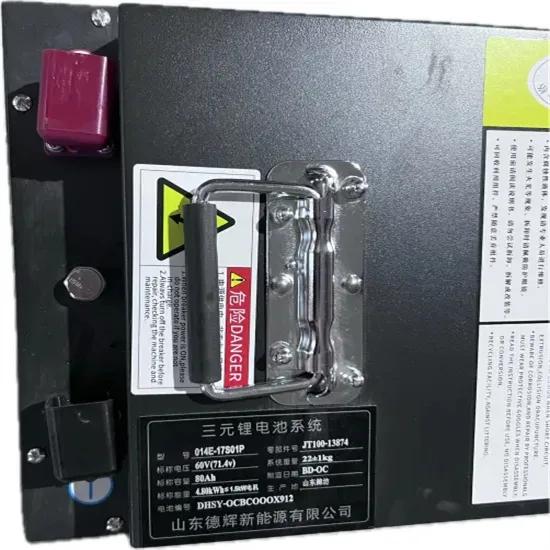
Energy storage system approximate cost calculation
Professional Energy Storage Calculator - Calculate optimal energy storage system capacity, power requirements, and cost analysis for residential, commercial, and utility-scale applications. Department of Energy's (DOE) Energy Storage Grand Challenge is a comprehensive program that seeks to accelerate. . This report is available at no cost from NREL at www. Cole, Wesley, Vignesh Ramasamy, and Merve Turan. Cost Projections for Utility-Scale Battery Storage: 2025 Update. . Comparing the costs of rapidly maturing energy storage technologies poses a challenge for customers purchasing these systems. There is a need for a trusted benchmark price that has a well understood and internally consistent methodology so comparing the different technology options across different. . This article presents a comprehensive cost analysis of energy storage technologies, highlighting critical components, emerging trends, and their implications for stakeholders within the dynamic energy landscape. This guide breaks down the key components, formulas, and industry trends to help businesses and investors make informed decisions.
[PDF Version]
-
Economic benefit calculation of photovoltaic panel replacement
Solar panel break even occurs when the total amount you've saved on electricity bills equals the net cost of your solar installation. This calculation considers your upfront investment minus any tax credits, rebates, and incentives you received. . A Solar Cost/Benefit Calculator is an incredibly useful tool for you to figure out the financial side of investing in solar energy, whether you're a homeowner or a business owner. By plugging in different numbers, like installation costs, energy savings, tax credits, and financial incentives, you. . NLR analyzes the total costs associated with installing photovoltaic (PV) systems for residential rooftop, commercial rooftop, and utility-scale ground-mount systems. This work has grown to include cost models for solar-plus-storage systems. Key Point: The average solar break even period in. . Each year, the U. Department of Energy (DOE) Solar Energy Technologies Office (SETO) and its national laboratory partners analyze cost data for U. solar photovoltaic (PV) systems to develop cost benchmarks. These benchmarks help measure progress toward goals for reducing solar electricity costs. . Wondering how to calculate your payback period and solar panel return on investment (ROI)? Let's do the math.
[PDF Version]
-
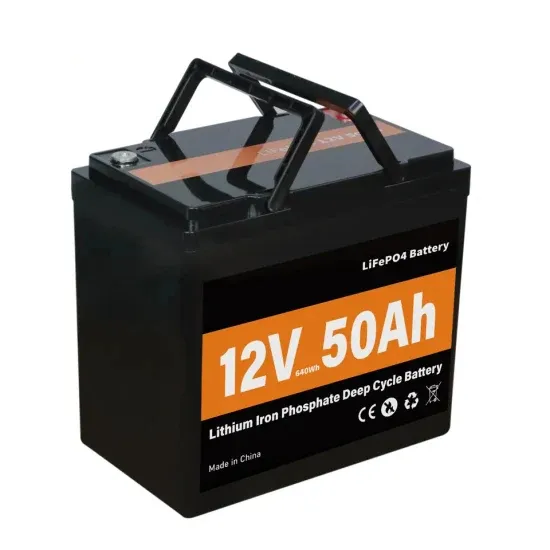
Cost of energy storage equipment in Somalia
This guide explores current transaction prices, market drivers, and procurement strategies for commercial-scale battery storage solutions. Whether you're a solar developer or industrial buyer, you'll find actionable data here. With 35% annual growth in renewable energy projects across Somalia. . In 2020, the World Bank estimated at least 49 percent of the population had access to electricity. The 2022 Cost and Performance Assessment analyzes storage syste vanadium redox, sodium-sulfur, and others. Why Somalia Needs Energy Storage Solutions Now With only 33% of. . How does 6Wresearch market report help businesses in making strategic decisions? 6Wresearch actively monitors the Somalia Energy Storage Market and publishes its comprehensive annual report, highlighting emerging trends, growth drivers, revenue analysis, and forecast outlook. Despite recent improvements in ports and telecommunications, the country's physical infrastructure remains among the least. .
[PDF Version]
-
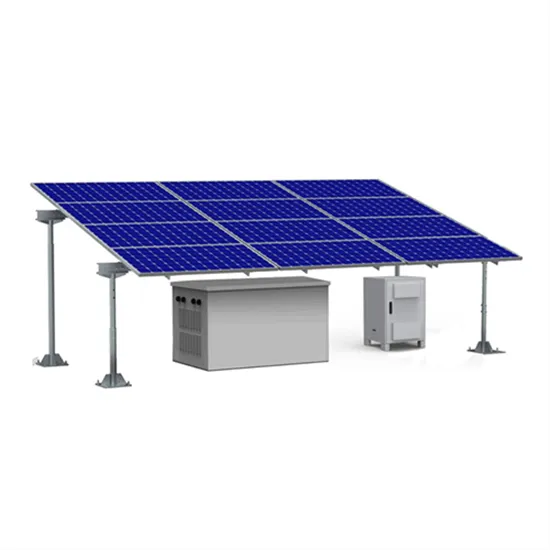
Cost Analysis of a 200kW Mobile Energy Storage Container for Urban Lighting
Download Cost Analysis of a 200kW Mobile Energy Storage Container for Urban Lighting [PDF]Download PDF Our standardized container products are engineered for reliability, safety, and easy deployment. . DOE's Energy Storage Grand Challenge supports detailed cost and performance analysis for a variety of energy storage technologies to accelerate their development and deployment The U. Department of Energy's (DOE) Energy Storage Grand Challenge is a comprehensive program that seeks to accelerate. . Average Installed Cost per kWh in 2025 In today's market, the installed cost of a commercial lithium battery energy storage system — including the battery pack, Battery Management System (BMS), Power Conversion System (PCS), and installation — typically ranges from: $280 to $580 per kWh for small. . The 2024 ATB represents cost and performance for battery storage with durations of 2, 4, 6, 8, and 10 hours. Let's decode the math behind your next investment. The 5 Key Factors Driving Energy Planning an energy storage project?. Prices of mobile solar containers range widely from a few thousand dollars for the small foldable type to well over $250,000 for the larger containers designed for industry. In this article, I will walk you through actual pricing ranges and thoroughly discuss what actually influences pricing.
[PDF Version]
-
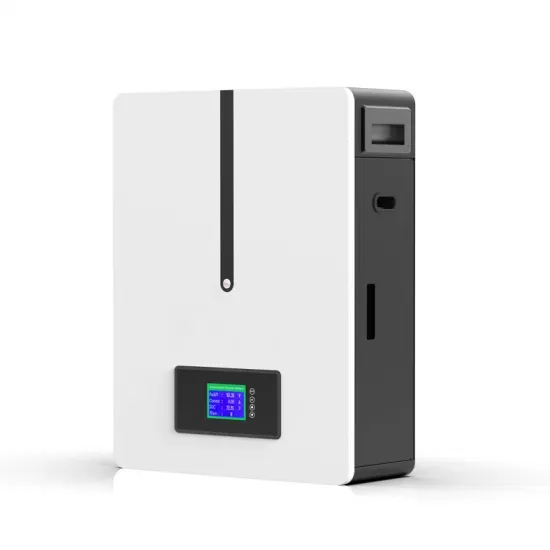
The price of solar panels installed on the roof of residential houses
Rooftop solar installation typically costs about $23,100, with most projects ranging from $19,100 to $23,800 depending on system size and location. Under current federal law, the Residential Solar Tax Credit (ITC) ended for customer-owned systems on December 31, 2025. . Most homeowners spend between $12,600 and $33,376 to install a complete residential solar system in 2026, with the national average at $19,873 before incentives. Your actual cost depends on your home's energy needs, roof characteristics, location and other factors, all of which we'll break down in. . According to studies by the U. 30 per watt in 2025, representing a 60% decrease from 2010 levels. Always check for available incentives or tax credits, which can significantly reduce your out-of-pocket costs. NLR's PV cost benchmarking work uses a bottom-up. .
[PDF Version]
 MENU