
-

How much does a standard power scale solar energy storage cabinet cost at an indian port
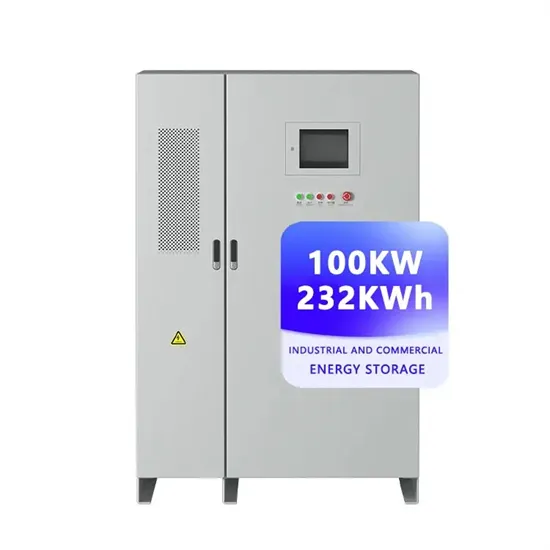
The price range for an outdoor energy storage cabinet typically lies between $3,000 and $15,000, depending on various factors, such as **1. . Market analysts routinely monitor and report the average cost of PV systems and components, but more detail is needed to understand the impact of recent and future technology developments on cost. Let's unpack the main cost drivers: The energy storage sector is evolving faster than a Tesla charging station. Here's what buyers should know: "The sweet spot for ROI currently lies in 50-100kW systems with hybrid configurations," notes energy. . NLR analyzes the total costs associated with installing photovoltaic (PV) systems for residential rooftop, commercial rooftop, and utility-scale ground-mount systems. Cost also hinges on duration, interconnection requirements, and regional labor. . Whether you're a factory manager trying to shave peak demand charges or a solar farm operator staring at curtailment losses, understanding storage costs is like knowing the secret recipe to your grandma's apple pie. This "LEGO approach" to energy storage is. .
[PDF Version]
-
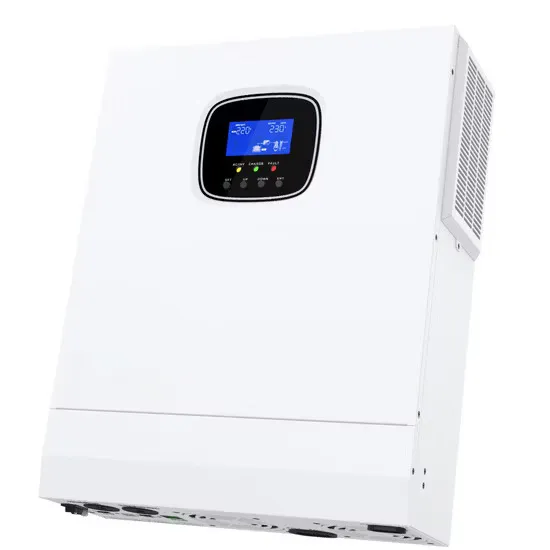
Off-grid modular solar cabinet smart solar energy storage for mining vs grid applications
Outdoor lithium battery technology, combined with smart control systems and modular cabinet designs, provides modern outdoor solutions that offer dependable power in those places where conventional grids cannot reach. Continuous power availability ensures network uptime and service quality in remote locations, even during grid failures or low sunlight. These systems combine solar panels, batteries, and inverters to store energy for continuous power supply, even during cloudy. . MOBIPOWER containers are purpose-built for projects where energy demands go beyond what a trailer can deliver. solar engineering company perfectly illustrates how E-abel helps partners expand their offerings through tailor-made solar battery storage cabinets, designed to house both inverters and battery systems. This place is called a "battery enclosure", or what is. . Off-land and off-shore sites can greatly benefit from solar technologies, reducing reliance on costly off‑grid power. NEED EXPERT CONSULTANCY? Solar energy. .
[PDF Version]
-
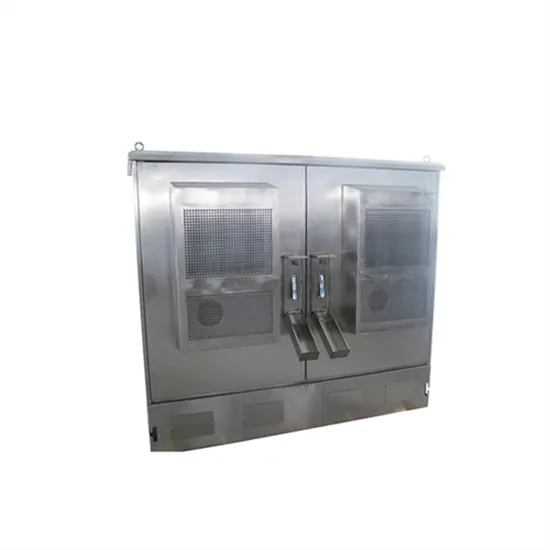
How much does a 5kW home solar energy storage system cost
On average, a 5 kW solar panel system costs $13,550, according to real-world quotes on the EnergySage Marketplace from 2025 data. . A 5-kW residential solar array is the entry point for many small to average homes that want to offset a meaningful share of daytime use without covering every inch of roof. Installers quote two ways, price per watt and an all-in turnkey total that bundles gear, labor, permits, overhead, and margin. . Optimal Sweet Spot for Homeowners: 5kW solar systems provide 40-90% energy coverage for average households while requiring only 299-400 square feet of space, making them ideal for most residential applications without overwhelming roof space requirements. Why trust EnergySage? How much does a 5 kW solar system cost? How much electricity will a 5 kW solar system produce? Where can you purchase a 5 kW solar system? Is a 5 kW solar system right for you? If. . If you're a homeowner considering the installation of solar panels, the 5kW solar system with battery price typically ranges between Rs 4, 50,000 and Rs 6, 50,000 before incentives or subsidies. Energy Production: 7,260 kWh annually, approximately 20 kWh daily. You'll also find out why choosing a trusted supplier like E-SUN TECH can make a big difference.
[PDF Version]
-
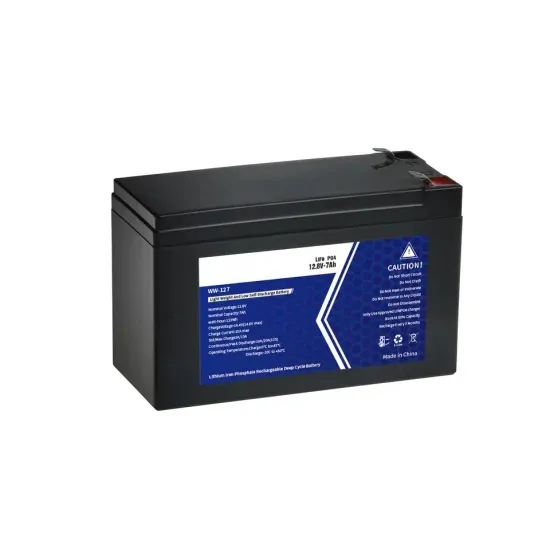
Does solar energy storage refer to batteries
In the simplest terms, solar power batteries allow you to store energy gathered by your solar panels for later use. Without this kind of storage implemented, any extra energy your solar panels produce goes to the. . Sometimes energy storage is co-located with, or placed next to, a solar energy system, and sometimes the storage system stands alone, but in either configuration, it can help more effectively integrate solar into the energy landscape.
[PDF Version]
-
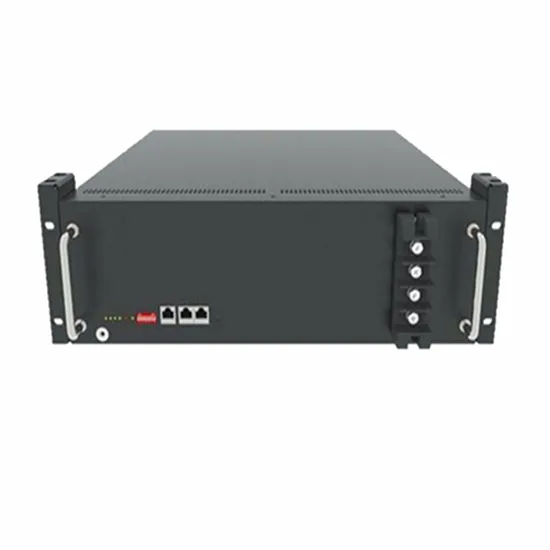
20-foot outdoor energy storage container solar area
Housed in a 20-foot container, this system integrates solar PV, energy storage, and advanced control components into a single unit, making it ideal for remote industries, construction sites, disaster recovery centers, and high-demand mobile energy applications. Mobile solar panel containers have become a game changer, delivering clean energy to remote locations, outdoor. . The core objective was to reimagine a standard shipping container as a self-contained energy hub, equipped with advanced solar integration, high-capacity batteries, and intelligent power management systems. This ambitious endeavor transforms a standard 20-foot shipping container into a. . RPS supplies the shipping container, solar, inverter, GEL or LiFePo battery bank, panel mounting, fully framed windows, insulation, door, exterior + interior paint, flooring, overhead lighting, mini-split + more customizations! RPS can customize the Barebones and Move-In Ready options to any design. . Understanding the potential of future off-grid energy-20ft photovoltaic container As the world increasingly depends on renewable sources of power, the 20ft PV container has become the go-to solution for off-grid energy. Designed to be strong and mobile, it offers 140kWh per day, thanks to its 60 m² solar array and 50 kWh battery storage.
[PDF Version]
-
Gambia solar grid-connected energy storage
The project will consist of three components: (1) a grid-connected photovoltaic (PV) power plant with a total installed capacity of 10 MW including an associated battery energy storage Ssation (BESS), (2) a number of off-grid PV and BESS units for rural health clinics, secondary. . The project will consist of three components: (1) a grid-connected photovoltaic (PV) power plant with a total installed capacity of 10 MW including an associated battery energy storage Ssation (BESS), (2) a number of off-grid PV and BESS units for rural health clinics, secondary. . Energy demand in The Gambia has increased by 5. 5% per year in recent years and today's connection of the new 23 MWp solar plant to the national energy grid will significantly increase Gambia's current generation capacity of 98 MW and enable electrification of rural areas. 7 million over the course of 4 years. Its main objective is to improve electricity services in The Gambia. The project includes four components: Component 4 - On-grid and off-grid. . tial driver of economic growth. In this context,the Electricity Roadmap has underg r is in a precarious. . Gambia, a nation with abundant solar potential, faces challenges in stabilizing its power supply. Energy storage systems (ESS) bridge this gap by storing excess energy generated from renewables like solar and wind.
[PDF Version]
 MENU