
-
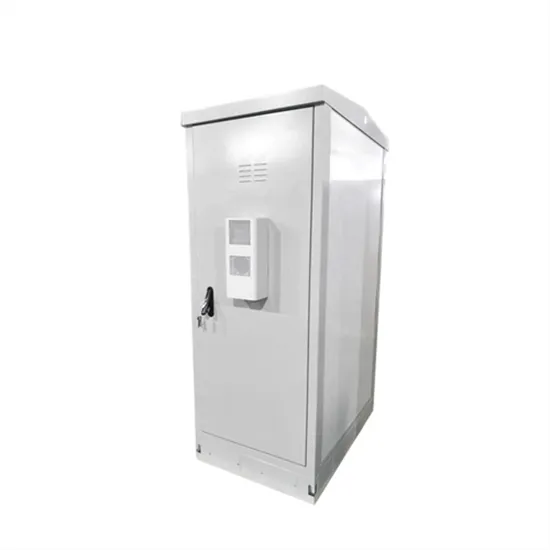
On-site energy solar charging panel installation location
To effectively position a solar light charging panel for optimal performance, consider the following key factors: 1. Location selection is critical, as solar panels . . Installing on-site renewable energy systems is a common strategy facility owners can use to save money, reduce their greenhouse gas emissions, and add resiliency to their facilities by generating their own electricity. Common installations include rooftops of residential and commercial buildings, ground-mounted structures, carports, and mobile installations like boats and RVs. . On-site solar refers to the installation of solar energy systems directly at the location where the energy will be used, such as homes, businesses, or institutions. It involves the deployment of solar panels or photovoltaic (PV) modules on rooftops, parking lots, or other available spaces on the. . Site Assessment: A professional assessment will determine the best location to install your home charging point and evaluate your home's electrical capacity. Electrical Upgrades: If necessary, upgrades may be required to support the new charger, especially if integrating with solar energy. We offer unparalleled logistics and warehouse support to streamline your operations and reduce fixed costs. understanding the components, 2.
[PDF Version]
-
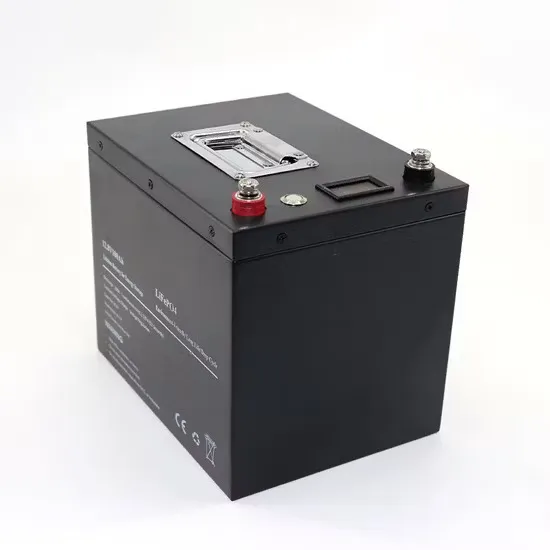
Solar photovoltaic panel scaffolding installation
This comprehensive guide will explore the ins and outs of scaffolding specifically designed for solar panel projects. This article explores why scaffolding for solar panels is essential for both safety and efficiency, and why you should always rely on a professional. . The mobile scaffold with Solar lift for lifting solar panels. Place the solar panel in the hoisting installation of the scaffold lift and hoist the panel to the desired height using the hoisting rope. Developed for simple and safe hoisting of solar panels. Thinking of arranging your own scaffolding? Here's a practical guide to help you make sure your quote covers all the important bits for a smooth installation.
[PDF Version]
-
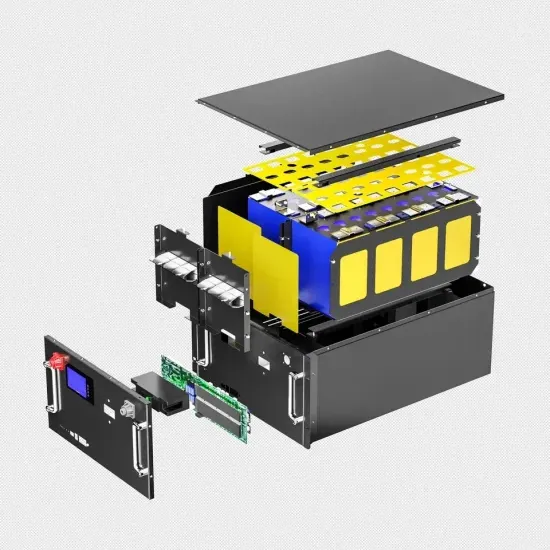
Tokyo solar Panel Installation
Starting in April 2025, Tokyo will require installing solar panels on all new residential buildings. This initiative is part of the “Carbon Half” goal, aiming to reduce greenhouse gas emissions in Tokyo by 50% by 2030 through the expansion of renewable energy usage.
[PDF Version]
-
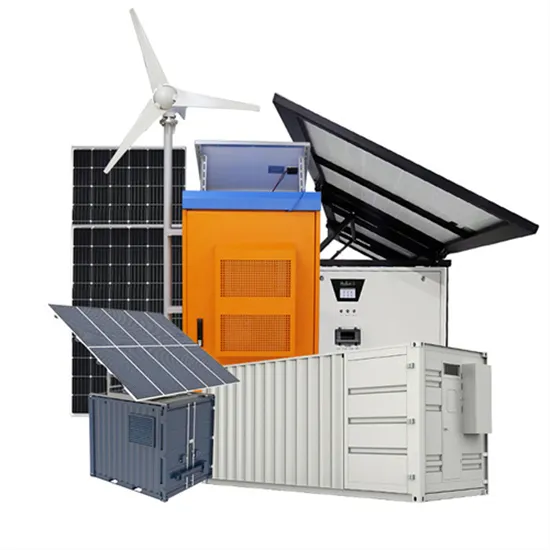
Solar panel solar module installation
This article walks you through the basics of PV system installation, focusing on the practical steps from mounting modules to connecting the inverter to the electrical grid, and emphasizes the importance of ongoing maintenance to optimize system performance. Solar offers long-term savings and environmental benefits, plus decades of protection against rising utility rates. The challenge? Solar installations. . According to the Solar Energy Industry Association, a new solar panel installation occurred every 39 seconds in 2026. Understanding each step helps set clear. . Solar power is an increasingly popular option for homebuyers who want to cut their energy bills, reduce their carbon footprint or both.
[PDF Version]
-
Photovoltaic solar panel installation base
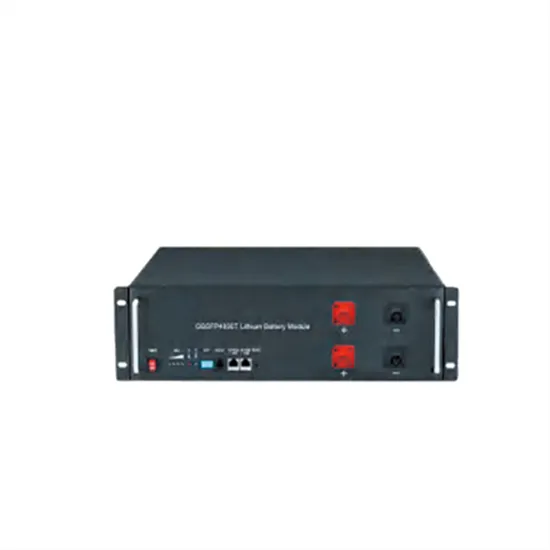
Let's break down the three pillars of photovoltaic base sizing: 1. For a 20-panel residential array: 2. Soil Composition & Load Requirements Sandy soils require 15-20%. . Photovoltaic mounting bases are essential components that provide the necessary support and stability for solar panels. Their proper selection, installation, and maintenance are critical for the efficient operation and long-term success of photovoltaic power systems. PV mounting bases, also known. . This guide covers sizing principles, industry best practices, and data-driven insights for residential/commercial installations – complete with real-world case studies and technical specifications. Imagine building a house without checking the foundation dimensions. But here's the kicker: your 30-year solar investment literally stands or falls on its base installation.
[PDF Version]
-
Learn photovoltaic solar panel installation and construction
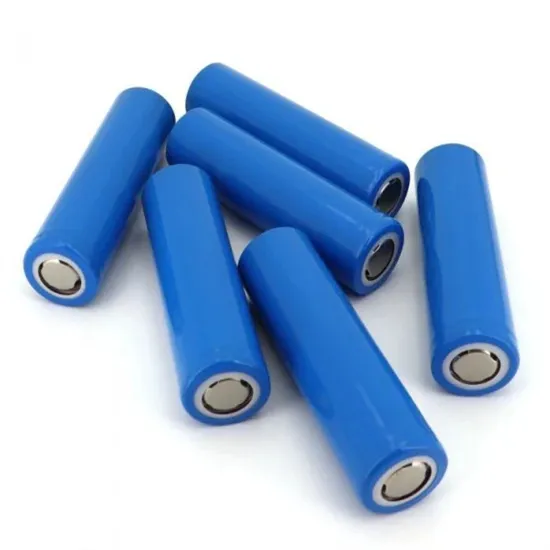
This article walks you through the basics of PV system installation, focusing on the practical steps from mounting modules to connecting the inverter to the electrical grid, and emphasizes the importance of ongoing maintenance to optimize system performance. . Solar panel installation costs range from $15,000 to $30,000 for an average American home, with a payback period of 6 to 10 years depending on your state's incentives and sun exposure. This comprehensive guide walks you through every step of your solar project, from initial assessment to system. . According to the Solar Energy Industry Association, a new solar panel installation occurred every 39 seconds in 2026. Read on to find. . Installing photovoltaic (PV) systems is a key stride toward embracing renewable energy, which is crucial for reducing carbon footprints and fostering sustainable energy use.
[PDF Version]
 MENU