
-
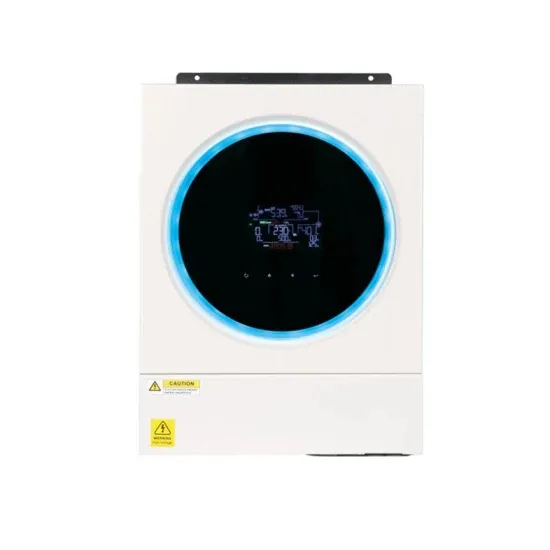
European and American version of energy storage power supply
The residential energy storage market in the United States is characterized by rapid growth and a diversity of technological options, while the European market is distinguished by a strong regulatory framework and a focus on sustainability. . Energy storage solutions encompass various technologies and systems that serve to retain energy for later use. That's creating a unique new opportunity for investors amid the emerging demand for battery storage, which provides balance to electricity markets. “With. . The energy storage sector maintained its upward trajectory in 2024, with estimates indicating that global energy storage installations rose by more than 75%, measured by megawatt-hours (MWh), year-over-year in 2024 and are expected to go beyond the terawatt-hour mark before 2030. In today's highly industrialized and digitalized. .
[PDF Version]
-
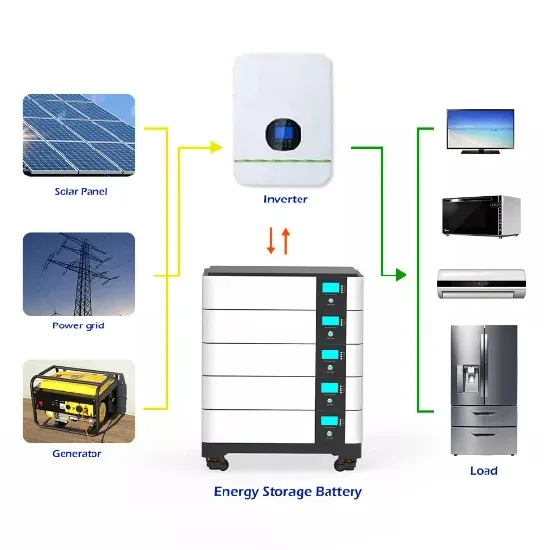
Cost of 100kW solar energy storage cabinets in european ports
For a typical 100 MW/400 MWh utility-scale installation in Europe, hardware and equipment costs currently range from €40 to €60 million. However, these costs are expected to decrease by 8-10% annually as manufacturing efficiency improves and supply chains mature. . Our 100kW solar package provides steady and reliable power for every part of your business, with tier 1 solar panels in a massive configuration and a serious 100kW solar inverter. What is NREL's solar-plus-storage cost benchmarking work? This work has grown to include cost models for. . Prices typically range between €150,000 to €500,000+, de What Drives the Price of Container Energy Storage Systems in the EU? Container energy storage cabinets have become a game-changer for industries needing scalable power solutions. What Influences the Cost of Container. . Our 100kW/200kWh Commercial & Industrial Energy Storage Cabinet is now available from European stock, enabling fast delivery and rapid deployment for factories, commercial buildings, data centers, EV charging stations, and microgrid applications.
[PDF Version]
-
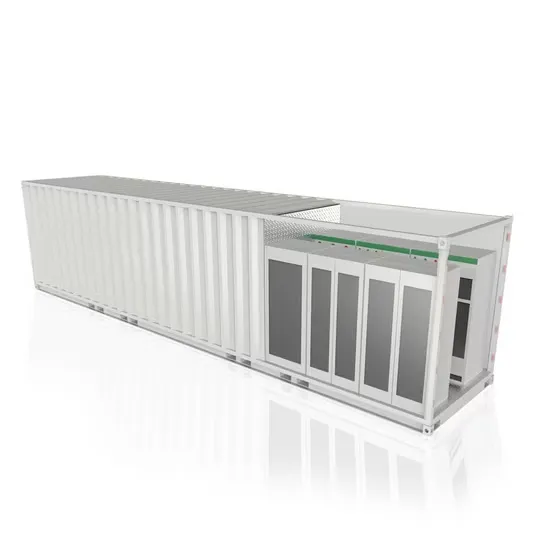
Southern european airports use 1mwh off-grid solar energy storage cabinets
Large-scale lithium-ion battery systems, ranging from 1-100 megawatt hours, serve as the main storage solution. These systems operate with over 85% round-trip efficiency and feature temperature control and fire suppression systems. Why Airports Are Turning to Solar Energy Imagine landing at a sun-drenched airport where the runway lights are powered entirely by solar energy. This isn't science fiction—it's happening across How. . Leading airports like Munich International and Amsterdam's Schiphol have already demonstrated how solar installations can offset massive energy costs while reducing carbon emissions by thousands of tons annually. Major airports, such as those in Istanbul and Athens, are transitioning to 100% solar energy, while others are enhancing energy. . Starting from a solar capacity of 12 megawatts (MW), this facility has since scaled up to 50 MW by 2023, generating over 70 million units of solar energy per year and offsetting more than 15,00,000 tonnes of carbon dioxide emissions. This article presents three examples f concrete renewable energy projects being imple imate and energy goals, including 100% clean electricity in and from Austria by 2030. The Renewable Energy Expansion Act. .
[PDF Version]
-
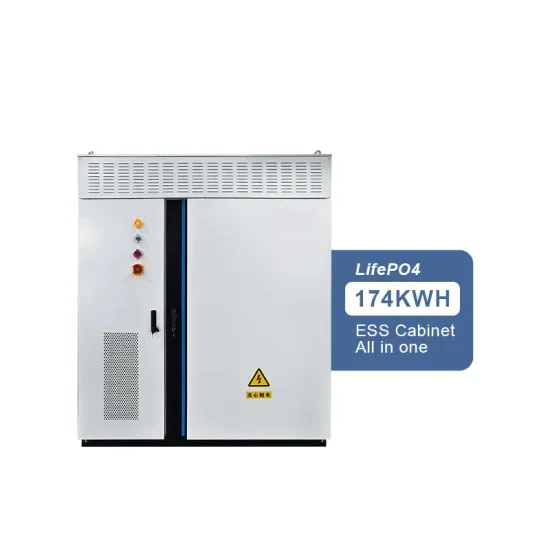
European photovoltaic integrated energy storage cabinet grid-connected type
The multi-energy battery integrated cabinet integrates the battery photovoltaic controller, grid connection and off-grid, EMS, power distribution, air conditioning and fire protection in one stop, enabling the energy storage system to independently adjust the energy storage. . The multi-energy battery integrated cabinet integrates the battery photovoltaic controller, grid connection and off-grid, EMS, power distribution, air conditioning and fire protection in one stop, enabling the energy storage system to independently adjust the energy storage. . The ESS-GRID Cabinet series are outdoor battery cabinets for small-scale commercial and industrial energy storage, with four diferent capacity options based on diferent cell compositions, 200kWh, 215kWh, 225kWh, 241kWh, etc. They can be widely used in farms, animal husbandry, hotels, schools. . This product is mainly used for distributed grid-connected power generation systems and small and medium-sized commercial photovoltaic power generation systems. The product has a series of protections. . EK photovoltaic micro-station energy cabinet is a highly integrated outdoor energy storage device. It features robust lithium iron phosphate (LiFePO4) batteries with scalable capacities, supporting on-grid and off-grid configurations for reliable energy storage solutions. Wide current coverage, up to 4000A, breaking capacity up to 80KA.
[PDF Version]
-
Regulatory frameworks for BESS in solar telecom stations in the European Union
In this guide, we break down the EU Regulations for Battery Energy Storage Systems, highlight key compliance requirements, and provide a practical roadmap for companies preparing for 2026 and beyond. By storing renewable electricity, they stabilize grids, reduce fossil fuel dependency, and enable smarter energy management. As Battery Energy Storage Systems (BESS) gain momentum in the transition to renewable energy, manufacturers and energy solution providers must n l and stationary energy storage, to understand and respond to regulatory. . The EU has developed a forward-thinking, supportive regulatory framework to encourage energy storage deployment as part of its ambitious clean energy and climate goals. Here's how the EU is leading the way: 1.
[PDF Version]
-
Price of 20-foot mobile energy storage container for European islands
Recent industry analysis reveals that lithium-ion battery storage systems now average EUR300-400 per kilowatt-hourinstalled,with projections indicating a further 40% cost reduction by 2030. For utility operators and project developers,these economics reshape the fundamental calculations of grid. . As part of this energy revolution, container energy storage systems in the EU have emerged as a cornerstone for balancing supply and demand, optimizing renewable energy use, and ensuring grid stability. Get data-driven insights on cost components, regional pricing trends, and smart purchasing strategies for commercial buyers. Over the past 18 months, prices have seesawed between $280/kWh to $420/kWh depending on configuration and region. With the global energy storage market hitting a jaw-dropping $33 billion annually [1], businesses are scrambling to understand the real. . in 20ft Containers. $387,400 Solar Compatible! 10 Year Factory Warranty 20 Year Design Life The energy storage system is essentially a straightforward plug-and-play system which consists of a lithium LiFePO4 battery pack, a lithium solar charge controller, and an inverter for the voltage. .
[PDF Version]
 MENU