
-
Solar base station energy storage 5G
Base station operators deploy a large number of distributed photovoltaics to solve the problems of high energy consumption and high electricity costs of 5G base stations. In this study, the idle space of the.
[PDF Version]
-
Suriname independent energy storage power station approved
Operational since Q1 2025, this $420 million lithium-ion battery array currently stabilizes 18% of Suriname's national grid while storing excess solar energy from the neighboring Coppename River photovoltaic farm [3]. . This review highlights the latest advancements in thermal energy storage systems for renewable energy, examining key technological breakthroughs in phase change materials (PCMs), sensible thermal storage, and hybrid storage systems. Practical applications in managing solar and wind energy in. . That's Suriname's reality – a nation paradoxically rich in renewable resources yet vulnerable to climate swings. Enter the energy storage power station Suriname concept, poised to become the Swiss Army knife of the country's energy system. It w ll lead a new way of life and drive new economic. The second phase of the project, also to be completed by POWERCHINA, will see five additional microgrids built, providing uninterrupted power to 34 forest villages along the Suriname River. 3. . As South America faces its worst energy drought in decades, Suriname's Meicheng Energy Storage Power Station couldn't have come online at a more critical time.
[PDF Version]
-
Deployment of LTE base station equipment and establishment of communication links
LTE deployment refers to the implementation of LTE network infrastructure to provide high-speed mobile internet services. This checklist ensures that all critical steps, from site survey to final deployment, are meticulously planned and executed. LTE base stations are the backbone of. . Site Planning and Design: This phase involves assessing the need for a new mobile site, selecting a suitable location, and designing the layout of the infrastructure. Activities: Identify coverage gaps or expansion areas. . What does a base station do?. Meanwhile, the pole serves as a mounting point for antennas, Remote Radio Units (RRUs), and. .
[PDF Version]
-

Liquid cooling standards for energy storage power station
This article examines how liquid cooling works in real-world energy storage environments, why it matters for decision-makers, and what practical considerations determine whether it delivers value at scale. . w Thermal Energy Storage Works. It uses standard cooling equipment, plus an energy storage tank to shift all or a portion of a building"s cooling need to off-peak, night time hours. During off-peak hours, ice is. . Air cooling is the most widely used thermal management method in small to medium BESS setups. It works by blowing cool air across the battery racks with fans or forced ventilation. For thermal power auxiliary frequency regulation, the energy storage system requires batteries with high discharge rates. . This article explores innovative cooling strategies for energy storage power stations, their impact on operational efficiency, and real-world applications shaping the industry.
[PDF Version]
-
Beijing Base Station Photovoltaic Energy Storage Containerized Low-Voltage Type
Huijue's lithium battery-powered storage offers top performance. Suitable for grids, commercial, & industrial use, our systems integrate seamlessly & optimize renewables. High-density, long-life, & smartly managed, they boost grid stability, energy efficiency, & reduce fossil fuel. . As renewable energy adoption accelerates globally, Beijing's innovative energy storage photovoltaic power stations are reshaping how cities harness solar power. This article explores their technological breakthroughs, real-world applications, and why they matter for sustainable urban development. . ers lay out low-voltage power distribution and conversion for a b de ion – and energy and assets monitoring – for a utility-scale battery energy storage system entation to perform the necessary actions to adapt this reference design for the project requirements. This containerized energy storage system not only integrates the most advanced. . When sunlight irradiates solar panels, based on the photovoltaic effect, semiconductor materials in the panels absorb photon energy, generating electron-hole pairs that form an electric current. This process converts solar energy into direct current (DC). Charging Control The DC power generated. .
[PDF Version]
-
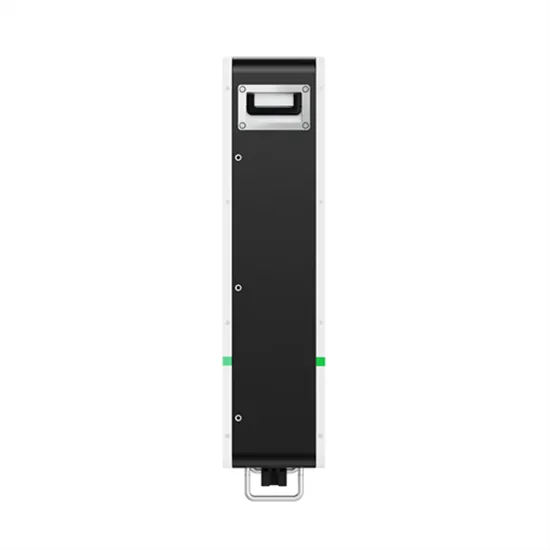
Electric energy storage power station connected to the grid
Grid energy storage, also known as large-scale energy storage, is a set of technologies connected to the that for later use. These systems help balance supply and demand by storing excess electricity from such as and inflexible sources like, releasing it when needed. They further provide, such as helping to
[PDF Version]
 MENU