
-
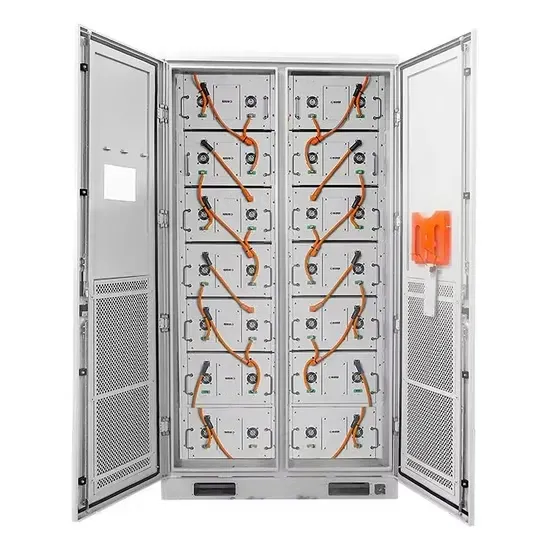
Airport User Outdoor Energy Storage Cabinet
With IP54/IP55 protection, anti-corrosion design, and intelligent temperature control, they are ideal for telecom base stations, remote power supply, and containerized microgrids. Our outdoor cabinets are pre-assembled for quick deployment and can operate reliably under wide. . Discover AZE's durable and weatherproof Integrated Outdoor Enclosures, designed for harsh environments. Featuring corrosion-resistant materials, advanced thermal management, and customizable designs, these NEMA-rated enclosures are perfect for energy storage, telecommunications, and industrial. . SWA ENERGY outdoor cabinets are engineered for harsh environments and long-term outdoor operation. Our outdoor cabinets. . Our NEMA 3R Design Battery & Control Enclosures feature powder-coated aluminum, swing out door or chest style, filtered vents and an optional NEMA 4 design separate electronics enclosure. A pedestal base is included for secure mounting. As a public company (code: 002139.
[PDF Version]
-
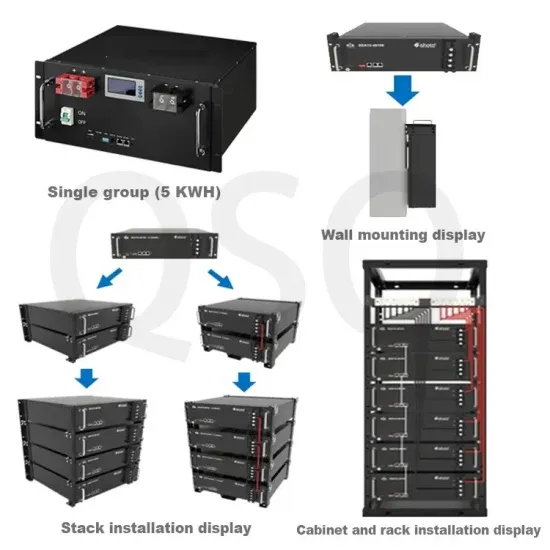
Distributed Energy User External Energy Storage Cabinet Fixed
A BESS cabinet is an industrial enclosure that integrates battery energy storage and safety systems, and in many cases includes power conversion and control systems. It is designed for rapid deployment, standardized installation, and reliable long-term operation. . As a leading energy storage system supplier, Megarevo offers compact, integrated cabinet BESS designed for small C&I, hospitals, conferences, and weak power grid areas. Outdoor cabinet energy storage system is a compact and flexible ESS designed by Megarevo based on the characteristics of small C&I. . The Enerbank-CS distributed integrated outdoor cabinet energy storage system adopts the All-in-One design, which integrates the energy storage batteries, battery management system (BMS), PCS, local monitoring system, fire-proof system, temperature control system, and power distribution system into. . Classification of decentralized energy systems Distributed energy systems can be classified into different types according to three main parameters: grid connection,application,and supply load,as shown in Fig. Classifications of distributed energy systems. FFD POWER focuses on C&I on-grid /. .
[PDF Version]
-
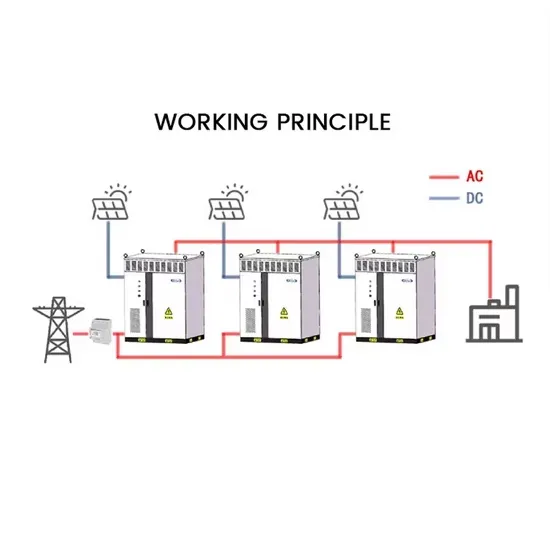
DC power supply for IoT base station user outdoor energy storage cabinet
This outdoor battery cabinet is highly customizable and designed for telecom, power, and solar energy storage applications. It offers flexible configuration in structure, materials, cooling, electrical integration, and installation to meet diverse project needs and harsh. . This 30U thermostatic outdoor cabinet with NEMA-rated electrical enclosure is specifically designed for telecom, solar, and power distribution systems. To ensure durability in tough conditions, it is constructed from high-strength galvanized steel and rated IP55—effectively offering reliable. . One cabinet per site is sufficient thanks to ultra-high energy density and efficiency. The eMIMO architecture supports multiple input (grid, PV, genset) and output (12/24/48/57 V DC, 24/36/220 V AC) modes, integrating multiple energy sources into one. Explore reliable, and IEC ※ The Management solution is a complementary service for charging stations and is not sold separately.
[PDF Version]
-
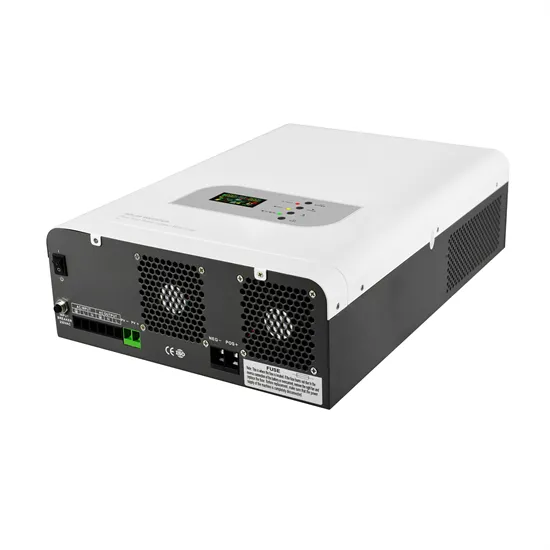
A set of photovoltaic panel manual installation prices
Solar panel installation cost averages $27,181 for a standard home, with most homeowners spending between $18,351 and $36,409. Prices vary based on system size, panel type, and installation complexity. 50 per watt installed, with larger systems. . Solar panels can lower your electricity bill by 75% or more, but the upfront investment is significant. Most homeowners spend between $12,600 and $33,376 to install a complete residential solar system in 2026, with the national average at $19,873 before incentives. Department of Energy, the all-in cost of a home solar panel system is between $2. Check with a local pro for your specific job. How Much Money Can You Save Using Solar? On average, homeowners save approximately 20% on their power bill when they switch to solar power. Where you live, the number of panels you need, maintenance requirements, and available rebates all determine the final price.
[PDF Version]
-
Design of manual transportation scheme for photovoltaic panels
This guide serves as a reference for inspecting, transporting, unpacking, handling and storing LONGi PV solar modules to ensure safe practices for you and the modules. No matter where you are in the delivery and installation process, LONGi is here to help if something goes. . As the demand for solar electric systems grows, progressive builders are adding solar photovoltaics (PV) as an option for their customers. This overview of solar photovoltaic systems will give the builder a basic understanding of: Emphasis will be placed on information that will be useful in. . That's essentially what manual photovoltaic panel transportation feels like. A photovoltaic system does not need bright sunlight in order to operate. It can also generate electricity on cloudy and rainy days from reflected sunlight. PV systems can be designed as. . If your modules are damaged on arrival, notify the driver immediately, notify carrier and LONGi staff within 24 hours of delivery, and provide a record with detailed information within 48 hours of delivery. South-facing rooftops with minimal. .
[PDF Version]
-
How much does a 200kWh charging station user cabinet cost in the Middle East
For a 200 kW system with 4-hour duration (800 kWh capacity), you're looking at $320,000 to $960,000 before installation. Why such a huge gap? Let's dig deeper. . Wondering how much a modern energy storage charging cabinet costs? This comprehensive guide breaks down pricing factors, industry benchmarks, and emerging trends for commercial and industrial buyers. Whether you're planning a solar integration project or upgrading EV infrastructure, understanding. . Let's cut to the chase – when businesses ask about 200kWh energy storage cabinet prices, they're really asking: “Can this metal box full of batteries actually save me money?” The short answer? Absolutely. The long answer? Well, that's why we're here. A 200kWh cabinet can power 20 American homes for. . The charger unit itself is usually $300–$1,500. Installation labor ranges from $500 to $3,000, depending on complexity.
[PDF Version]
 MENU