
-
Lighting module solar PV panel configuration
Electrical diagram: Detailing wiring schematics, inverter configurations, and interconnection points. String and circuit layout: Optimizing panel stringing for voltage, current, and. . Read on to find out more about solar panel connection diagrams and how to wire PV modules to achieve the best performance based on your unique installation requirements. Most modern photovoltaic systems for residential or portable use don't actually require much “wiring. ” At least not in the. . Installing photovoltaic (PV) systems is a key stride toward embracing renewable energy, which is crucial for reducing carbon footprints and fostering sustainable energy use. Unlike individual solar panels that generate limited power, PV arrays combine multiple panels to create systems capable of powering. . Hence in the following, we will see briefly the planning, designing, and installation of a standalone PV system for electricity generation. Step 1: Assess Your Energy Needs The first step in PV system design is to determine your energy consumption. Need help with wiring diagrams or solar panel connection layouts? GreenLancer delivers fast, permit-ready plan sets and engineering. .
[PDF Version]
-
Longi Solar PV Panel Process
Meta Description: Discover the step-by-step Longi photovoltaic panel installation process, including cost analysis, common pitfalls, and pro tips to maximize ROI. Learn why proper setup matters for your solar investment. Did you know incorrectly angled panels can reduce energy. . At the key node of intergenerational transition of global Photovoltaic (PV) technology, the back contact (BC) cell technology is leading the new-generation PV technology paradigm revolution, becoming the core engine to drive industry cost reductionand efficiency improvement and realize energy. . Co. (hereinafter referred to as LONGi). Please abide by all safety pr is to be carried out by qualified personnel. Please read this manual carefully before install- ing and using this module, Installation personnel shall get familiar with mechanic l and electrical requirements of this. . This manual elaborates on installation and safety use information for PV power gener-ating modules (hereinafter referred to as module) of LONGi Solar Technology Co. Its specialties include the production of PERC (Passivated Emitter and Rear Cell) monocrystalline cells and bifacial panels. Did you know incorrectly angled panels can reduce energy production by up to. . Testing the performance of the LONGi Hi-MO 5 solar panel series at NOCT conditions delivered a power output range of 369. 2 Wfor the 530W module,and up to 411.
[PDF Version]
-
Solar panels close to the solar panel
In general, it is recommended to place solar panels at least 1. 5 times the height of any nearby structures, such as the house, away from the roofline to prevent shading and maximize sunlight exposure. This distance helps ensure that the panels receive an optimal amount of sunlight. . Scroll to the bottom of any page to find a sun or moon icon to turn dark mode on or off! Should you mount the panels as close as possible to each other? Should you mount the panels as close as possible to each other or do you leave a little space between then? Like should you have them flush. . The solar panels should never be flush with the roof. Solar Spacer Installation - Get. . In general, solar panels should be installed as close to the house as possible to minimize energy loss through long cables and to optimize energy production.
[PDF Version]
-
Solar PV power generation costs in North Africa
According to this report, installed costs for power generated by utility-scale solar PV projects in Africa have decreased as much as 61 per cent since 2012 to as low as USD 1. 30 per watt in Africa, compared to the global average of USD 1. . Africa added approximately 4. Ten countries accounted for roughly 90% of all new capacity added during the year. These additions occurred amid ongoing electricity supply challenges. . Global technology cost reductions have improved the competitiveness of clean energy and solar PV now represents the least-cost source of power in many African countries. As global efforts intensify to triple renewable energy capacity by 2030, Africa's role in achieving this target is more critical. . Estimates the energy production of grid-connected photovoltaic (PV) energy systems throughout the world. It allows homeowners, small building owners, installers and manufacturers to easily develop estimates of the performance of potential PV installations.
[PDF Version]
-
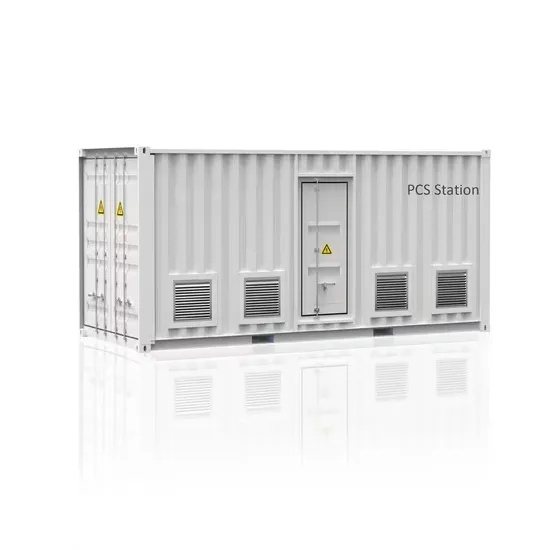
Estonian Solar PV Inverters
A complete list of component companies involved in Inverter production. . ElectroAir specializes in ground electric power supply systems for aviation and offers a solar inverter EAI designed for 400Hz power supply, which is compatible with various aircraft types. Smartecon is a prominent service provider in the solar energy sector, specializing in the design and. . Estonia has emerged as a key player in Europe's renewable energy landscape, with solar photovoltaic (PV) system manufacturers driving innovation and sustainability. This article explores the strengths of Estonian solar technology, market trends, and actionable insights for businesses seeking relia. . Rooftop and ground-mount PV, hybrid inverters & batteries, EV charging (coord. ), monitoring and O&M—combined into practical setups. Pitched or flat roof installations. 1 Inverter manufacturers are listed below. As a major solar inverter suppliers from China,Sungrow offers industry-leading central and string PV inverters tailored for larg. .
[PDF Version]
-
PV panel prices expected to rise
Wood Mackenzie's October 2025 analysis confirms that PV module prices are jumping approximately 9% in Q4 2025, with further increases expected through 2026. It represents a structural market correction that will reshape solar procurement strategies. . The global solar module industry is expected to regain a sustainable balance in the next six months, Yana Hryshko, head of Solar Supply Chain Research for Wood Mackenzie, told pv magazine. She explains why solar module prices may increase soon, suggesting that Tier 1 modules prices could reach. . The impact is already being felt across the market, with experts forecasting a 10–15% increase in panel prices, tightening supply chains and triggering pre-buying worldwide. China's VAT rebate reduction, polysilicon consolidation, and lower factory utilization are reshaping the market. To protect margins, lock in pricing early, diversify suppliers, and adopt high-efficiency HPBC and ABC modules. Prices will still be low, just not as low as they were late last year.
[PDF Version]
 MENU