
-
Household full set of solar power generation price
Most homeowners spend between $12,600 and $33,376 to install a complete residential solar system in 2026, with the national average at $19,873 before incentives. . Dramatic Cost Reductions Drive Adoption: Solar system costs have plummeted to $2. 50 per watt in 2025 compared to $8. Smart Energy Management is Critical:. . For many homeowners in 2025, a whole-house solar generator is the best way to protect their family from blackouts caused by natural disasters like wildfires and blizzards and slash or eliminate electricity bills. Are you one of them? Many factors determine whether a whole house solar power system. . The cost of installing solar is far less intimidating when you understand the various components, how savings are generated, and different ways to lower your cash outlay through financing. Your actual cost depends on your home's energy needs, roof characteristics, location and other factors, all of which we'll break down in. . Solar panel costs range from $16,600 to $20,500 for the average 6. Department of. . Our estimator shows how many solar panels your home needs We generate an online cost and savings estimate You choose how many solar companies send you an exact price by email or text Click on your state for solar panels cost localized to your city or use the solar calculator above to see the live. .
[PDF Version]
-
Solar power generation system connection method
There are two basic approaches to connecting a grid-tied solar panel system, as shown in the wiring diagrams below. . Professional installation is essential for safety and compliance: The 2025 NEC requires rapid shutdown capabilities, arc-fault protection, and complex grounding systems that mandate certified electrician involvement for main panel connections and utility interconnections. Solar panels capture sunlight and use the photovoltaic effect to convert it into electrical power. Inverter: The electricity solar panels produce is in the form of Direct. . A solar power system consists of a set of solar panels that convert sunlight into electrical power, as well as a set of batteries or an inverter that stores or converts the electricity for use by household appliances or electrical devices. There are mainly three different wiring configurations, which are series, parallel, and hybrid connections.
[PDF Version]
-
Internal structure of PCS for solar container energy storage system grid connection
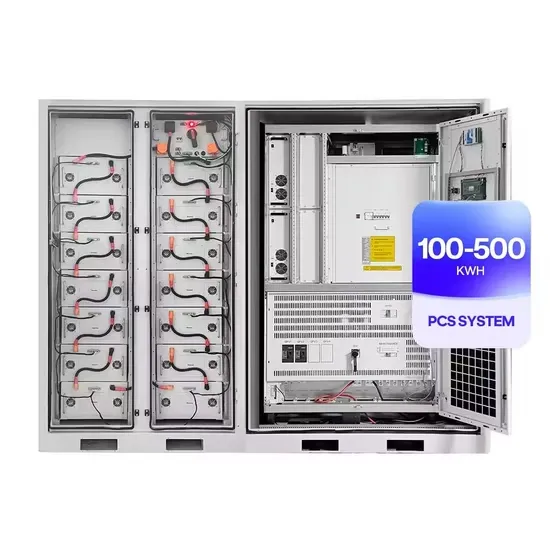
Energy storage converter (PCS) consists of power, control, protection, monitoring and other software and hardware components. Divide it into single-phase and three-phase. Single-phase PCS usually consists of a bidirectional DC-DC step-up and step-down device and a DC/AC. . The Power Conversion System (PCS), often referred to as the “heart” of an energy storage system, plays a pivotal role in determining system performance and efficiency. Think of it as the "brain" that manages energy flow between batteries, the grid, and end-users. It is far more than just batteries in a box; it is a sophisticated, pre-engineered system that includes battery modules, a Battery Management System (BMS), a Power. . PCS power conversion system energy storage is a multi-functional AC-DC converter by offering both basic bidirectional power converters factions of PCS power and several optional modules which could offer on/off grid switch and renewable energy access.
[PDF Version]
-
NEC solar container communication station inverter grid connection
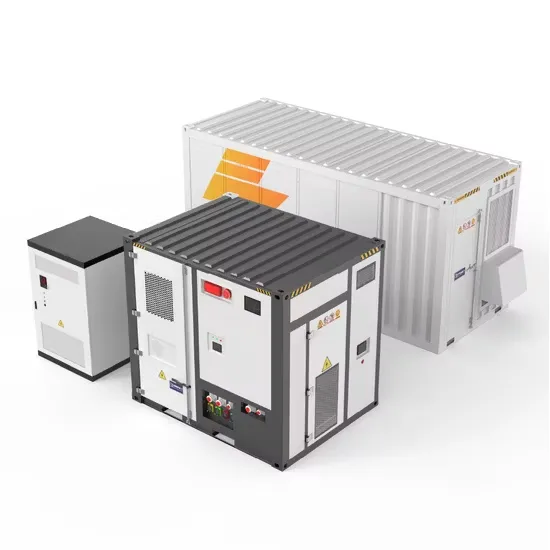
The integrated containerized photovoltaic inverter station centralizes the key equipment required for grid-connected solar power systems — including AC/DC distribution, inverters, monitoring, and communication units — all housed within a specially designed, sealed. . The integrated containerized photovoltaic inverter station centralizes the key equipment required for grid-connected solar power systems — including AC/DC distribution, inverters, monitoring, and communication units — all housed within a specially designed, sealed. . Solar inverters sync your solar system with the grid by matching voltage, frequency, and phase. Modern inverters monitor grid conditions in real-time for safe power export. Anti-islanding protection prevents backfeeding during outages. Solar inverters sync your solar system with the grid by. . Emerging and future trends in control strategies for photovoltaic (PV) grid-connected inverters are driven by the need for increased efficiency, grid integration, flexibility, and sustainability. What is a grid-connected inverter? 4. Grid-connected inverter control techniques Although the main. . Off-Grid Installer have the answerwith a containerized solar system from 3 kw up wards.
[PDF Version]
-
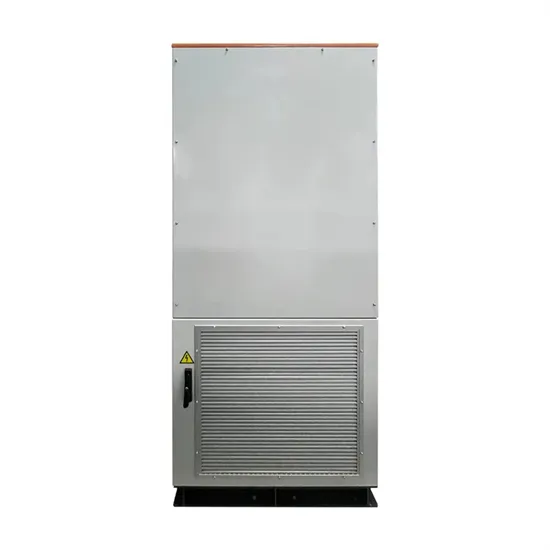
Lighting module solar PV panel configuration
Electrical diagram: Detailing wiring schematics, inverter configurations, and interconnection points. String and circuit layout: Optimizing panel stringing for voltage, current, and. . Read on to find out more about solar panel connection diagrams and how to wire PV modules to achieve the best performance based on your unique installation requirements. Most modern photovoltaic systems for residential or portable use don't actually require much “wiring. ” At least not in the. . Installing photovoltaic (PV) systems is a key stride toward embracing renewable energy, which is crucial for reducing carbon footprints and fostering sustainable energy use. Unlike individual solar panels that generate limited power, PV arrays combine multiple panels to create systems capable of powering. . Hence in the following, we will see briefly the planning, designing, and installation of a standalone PV system for electricity generation. Step 1: Assess Your Energy Needs The first step in PV system design is to determine your energy consumption. Need help with wiring diagrams or solar panel connection layouts? GreenLancer delivers fast, permit-ready plan sets and engineering. .
[PDF Version]
-
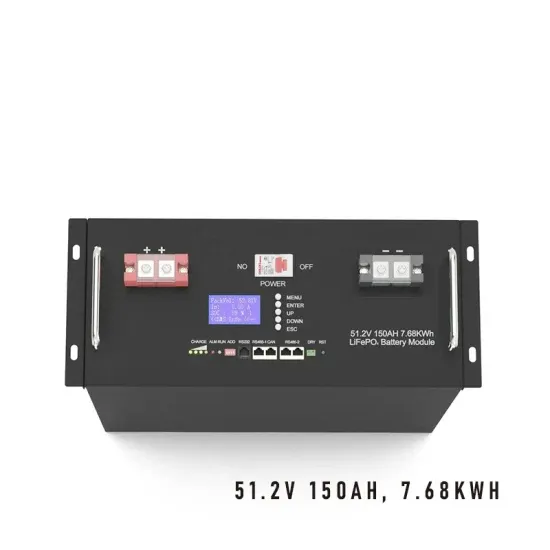
A set of solar container lithium battery assembly
This comprehensive guide provides detailed steps to ensure a successful assembly of your lithium battery kit. Final. . As clean energy continues to rise in popularity, lithium-ion batteries—especially LiFePO4 (Lithium Iron Phosphate)—are essential in everything from solar home kits to industrial energy storage. This blog provides a clear, step-by-step guide on how to assemble a lithium battery pack and introduces. . Assembling a DIY lithium battery kit offers both flexibility and satisfaction, enabling you to create a custom energy storage solution tailored to your specific needs. Whether you're a homeowner aiming for energy independence or a renewable energy professional, mastering this skill could save you 30-50%. . A lithium battery pack is not just a simple assembly of batteries. It is a highly integrated and precise system project. The pack line process consists of three main phases: production,as p ck technology crucial for modern energy solutions. **Battery Cells** Battery cells are the heart of t e pack, responsible for storing and releasing energy.
[PDF Version]
 MENU