
-
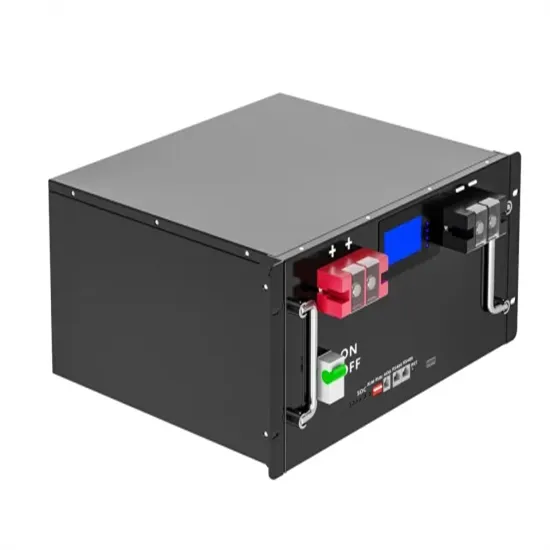
Solar energy storage cabinets in Mozambique Battery plant energy
Learn how to choose reliable systems, compare lithium-ion vs. lead-acid options, and explore real-world applications in mining and agriculture. With 300+ days of annual sunshine, Mozambique's renewable energy potential remains underutilized due to grid instability and uneven power. . t in Mozambique are officially underwa the equation becomes increasingly clear. With 62% of its populatio become more prevalent in years to come? Globeleq sees battery. . African focused renewable energy independent power producer, Globeleq, and its project partners, Source Energia and Electricidade de Moçambique (EDM) have announced the commencement of construction for the 19MWp (15MWac) Cuamba Solar PV plant and a 2 MW (7MWh) energy storage system in Mozambique. . Meta Description: Discover the top large energy storage cabinet solutions for Mozambique's renewable energy sector. Storage costs are expected to continue decreasing,so those systems will become e Government's efforts to build. . Energy storage can play an essential role in large scale photovoltaic power plants for complying with the current and future standards (grid codes) or for providing market oriented services. e-STORAGE is a brand of Canadian Solar, Inc., providing leading-edge, flexible, turnkey. .
[PDF Version]
-
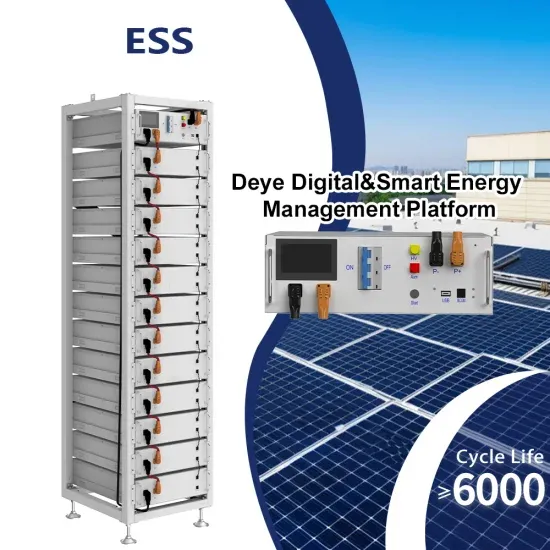
United Arab Emirates EK Plant solar container energy storage system
Valued at over $6 billion, the project will integrate a massive 5. 2 GW solar PV plant with a state-of-the-art 19 gigawatt-hour (GWh) battery energy storage system. This combination will enable uninterrupted renewable energy supply, making it the largest solar and BESS. . In a remarkable advancement for renewable energy, the United Arab Emirates, under the auspices of His Highness Sheikh Mohamed bin Zayed Al Nahyan, President of the UAE, has inaugurated the world's largest integrated solar and battery storage project. Emirati Renewable energy company Masdar (Abu Dhabi Future Energy Company) and Emirates Water and Electricity Company (EWEC) are developing the trailblazing solar and. . Abu Dhabi Future Energy Co. This is to provide continuous baseload power of 1 GW, 24/7. Sheikh Theyab bin Mohamed bin Zayed Al Nahyan, Deputy. . Abu Dhabi is already a regional leader of renewable electricity, with its 2. 6GW of currently installed solar capacity accounting for nearly half of the UAE's 5. This ambitious undertaking, a collaboration between Masdar and. .
[PDF Version]
-

Carnivorous plant greenhouse solar power generation
One promising approach to agrivoltaics is the greenhouse system integrated with photovoltaics, where part of the incident solar radiation is harvested for generating power to meet some or all the energy demands of the greenhouse system. . The Department of Biology Greenhouse faces a critical challenge in sustaining its various plant species that depend on a limited reverse osmosis (RO) water reserve. Carnivorous plants cannot survive with the use of regular tap water. The current supply of RO water falls short of meeting the weekly. . This summary reviews publicly available information about the adverse impacts and potential benefits of ground-mounted large scale - PV solar power on wildlife in North America, and the status of our knowledge regarding how to mitigate adverse impacts and enhance beneficial impacts. This guide explores how solar greenhouses work, their key benefits, and the different types available. wildlife and protect land from urban sprawl.
[PDF Version]
-
Which solar power floor heating is better
In the realm of solar power floor heating systems, discerning the most suitable option hinges on several factors. Installation Complexity, 3. User Preferences are pivotal considerations. Solar underfloor heating is an innovative process that provides a safe and eco-friendly alternative to conventional radiator systems. We'll analyze the efficiency and performance of solar heating systems by comparing average. . Today, solar energy can do more than turn the lights on and keep the refrigerator running — it can also power your radiant floor heating system. According to the National Association of Realtors, 51% of buyers are. .
[PDF Version]
-
Financing for a 20MWh Solar Container Used in a Chemical Plant
Leverage Diverse Financing Options: Combine debt (e., green bonds, non-recourse loans), equity (e., tax credits, grants) to optimize capital structure and reduce costs. . Securing project finance can prove to be a critical step in the path to commercialization. Project finance succeeds best when you have long-term off-take agreements with quality-credit counterparties (such as power purchase agreements) but commodity-based projects that sell into open markets (such. . The U. solar photovoltaic (PV) market has expanded dramatically in the past decade, with cumulative installed PV capacity in 2016 registering at 140 times greater than in 2006. PV installations across all sectors, including utility, residential, and nonresidential,1 totaled 104 megawatts (MW) in. . Solar photovoltaic (PV) systems attracted more than USD 300 billion of global capital in 2024, propelled by corporate power-purchase agreements (PPAs), tender auctions, and feed-in tariffs. Securing funding while minimizing risk is essential. This guide aims to assist both seasoned and novice developers by discussing the potential issues, and key. . One of the first steps to starting any commercial or utility-scale solar project involves obtaining financing. While cash will always be king, solar projects require a significant upfront investment, which makes financing more appealing for most developers., institutional investors, tax equity), and government incentives (e.
[PDF Version]
-
How to deal with severe heating of photovoltaic panels
Extreme heat poses risks such as decreased energy production, potential damage to panels, overheating, and system failures. . Effective management of solar energy systems contributes to optimal performance and sustainability. However, as solar energy technology becomes more prevalent, concerns about excessive heat generated in various components. . Solar panels are a mainstay of the renewable energy movement. This cuts their need for fossil fuels and their emissions of greenhouse gases. More and more solar panels are being used. Solar panels typically work best between 15°C and 35°C, but on hot days exceeding 90 degrees Fahrenheit, their efficiency may be reduced by up to. . With no thermal demand, are the panels likely to overheat and suffer damage? Photovoltaic solar panels bear no risk because they do not have hot water, unlike thermal panels which are at risk of overheating for this very reason.
[PDF Version]
 MENU