
-
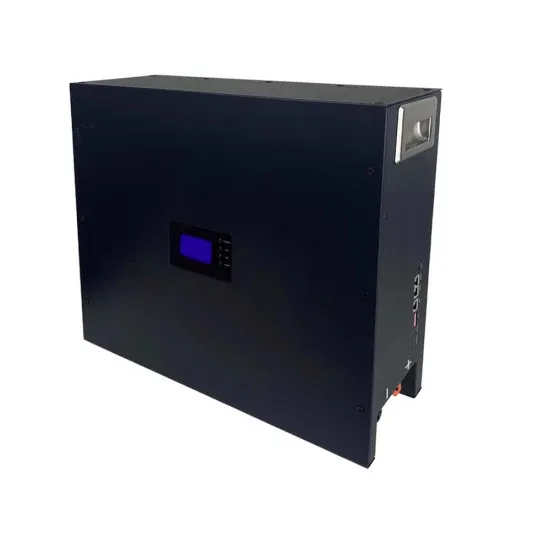
Power plant uses Thai lithium battery energy storage cabinet IP67
IP67 delivers total dust protection and allows temporary water immersion up to 1 meter for 30 minutes. This makes it perfect for outdoor ESS installations in areas with heavy rainfall or flood risk. Finally, IP68 represents the highest level of enclosure protection. . Project features 5 units of HyperStrong's liquid-cooling outdoor cabinets in a 500kW/1164. The "all-in-one" design integrates batteries, BMS, liquid cooling system, heat management system, fire protection system, and modular PCS into a safe, efficient, and flexible. . Battery Energy Storage Systems, or BESS, help stabilize electrical grids by providing steady power flow despite fluctuations from inconsistent generation of renewable energy sources and other disruptions. While BESS technology is designed to bolster grid reliability, lithium battery fires at some. . Our commercial and industrial lithium battery energy storage solutions offer from 100kW to 30+MW.
[PDF Version]
-
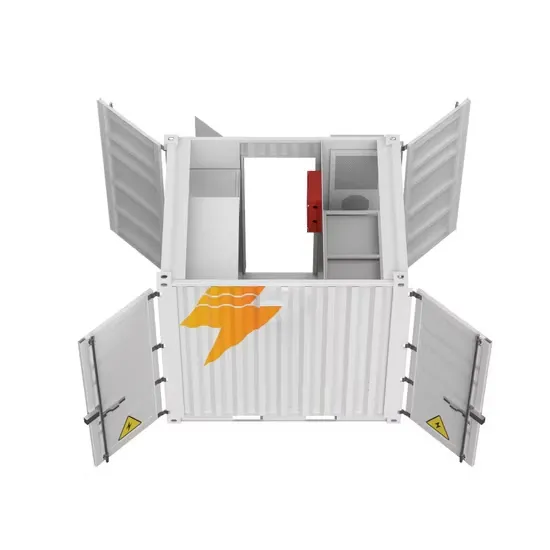
How to connect the battery energy storage cabinet to the power grid
Let's break down the process even a novice can understand: 1. Site Preparation Clear a 6x8 ft area with good ventilation. Software Configuration Set charging schedules using the. . A home battery system that connects to the grid can do more than store power—it gives you financial and energy flexibility. . Let's be real – navigating energy storage system grid connection procedures can feel like assembling IKEA furniture without the picture manual. But here's why it matters: 82% of failed renewable energy projects stumble at the grid integration stage, according to 2024 DOE reports. ” In modern commercial and industrial (C&I) projects, it is a full energy asset —designed to reduce electricity costs, protect critical loads, increase PV self-consumption, support microgrids, and even earn. . A correctly installed home battery storage system is the cornerstone of energy independence.
[PDF Version]
-
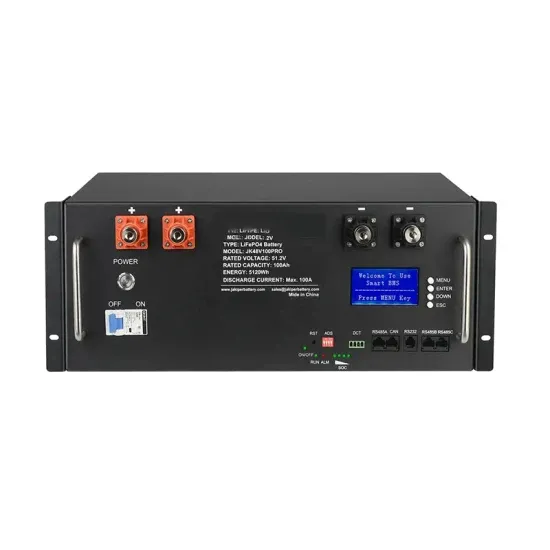
Does the energy storage battery have charging power
A battery energy storage system (BESS) is an electrochemical device that charges (or collects energy) from the grid or a power plant and then discharges that energy at a later time to provide electricity or other grid services when needed. . How much power does the energy storage battery pack charge? 1. The capacity of these packs typically varies based on their chemical composition and. . Battery energy storage solves this by discharging power when demand peaks and recharging during low-demand periods. This approach avoids costly grid upgrades and maintains network stability. In lithium-ion cells, charging speed is purposely slowed to prevent lithium plating on the graphite anode instead of moving between the layers.
[PDF Version]
-
Irish multifunctional energy storage power supply production
While there are technical and geographical constraints for certain technologies, three technologies suitable for implementation in Ireland are battery storage in the short term, pumped storage hydro in the medium to long term and hydrogen storage in the long term. . Electricity storage, which entails capturing electricity produced at one time for future use, will be a key element in the successful operation of our electricity network and will accelerate our use of renewable electricity, providing cheaper, greener electricity to the consumer. Grid scale. . Irish grid operator EirGrid set the proposed minimum procurement for long duration energy storage procurement at 201 MW, well below its initial 2030 goal of 500 MW of storage capacity. Energy Storage Ireland called for more ambition and a longer contract length to reflect international standards. There is a wealth of information online to help you keep up to date with the latest developments, but finding what you are looking for and understanding the impact for your business can be tough. That's where. . At Energy Storage Ireland 2025, the message was clear: energy storage is central to a stable, low-carbon grid, and while short-duration battery systems (BESS) are available, long-duration storage (LDES) supply is in its infancy, however ESBN has a structure to enable LDES rollout in Ireland. The Electricity Storage Policy Framework 2024, published in July 2024. .
[PDF Version]
-
Battery energy storage peak load regulation power station
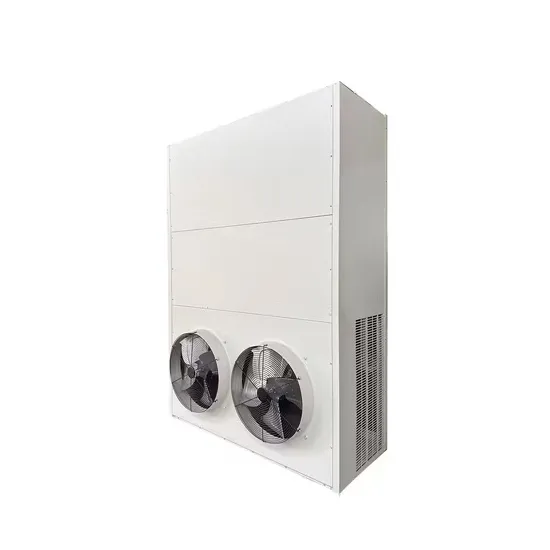
Energy storage alleviates peak demand, stabilizes grid frequency, enhances resilience against outages, and supports renewable energy integration. The technology offers scalable solutions, complemented by advancements in battery systems, which enable rapid response to. . Therefore, this paper proposes a coordinated variable-power control strategy for multiple battery energy storage stations (BESSs), improving the performance of peak shaving. Firstly, the strategy involves constructing an optimization model incorporating load forecasting, capacity constraints, and. . Battery storage is a technology that enables power system operators and utilities to store energy for later use. If the frequency severely deviates from the st ndard frequency,then many of the instruments. . tores electrical energy in batteries for later use to juggle flaming Battery energy storage connects to me and export it back into the network a onWhat is frequency reg ation framework for multiple resources is proposed.
[PDF Version]
-
Power battery is an energy storage system
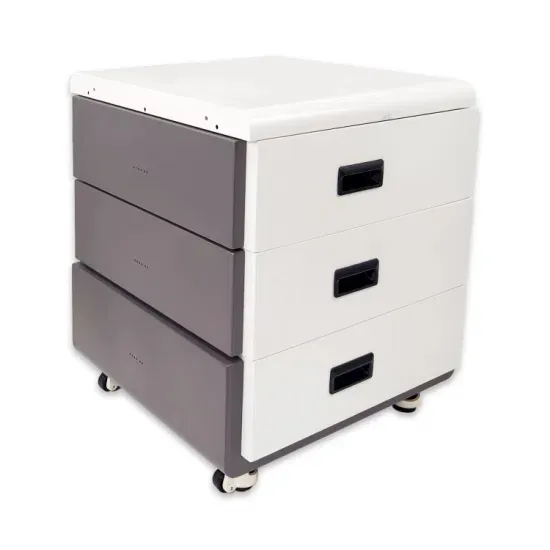
A battery energy storage system (BESS) is an electrochemical device that charges (or collects energy) from the grid or a power plant and then discharges that energy at a later time to provide electricity or other grid services when needed. Battery storage is the fastest responding dispatchable. . What is grid-scale battery storage? Battery storage is a technology that enables power system operators and utilities to store energy for later use. This simple yet transformative capability is increasingly significant. discharging the electricity to its end consumer.
[PDF Version]
 MENU