
-
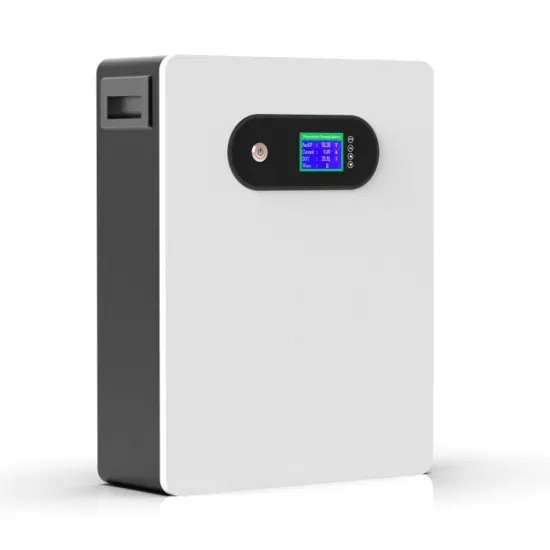
Yaounde outdoor power aluminum ion battery
Aluminium-ion batteries (AIB) are a class of in which ions serve as . Aluminium can exchange three electrons per ion. This means that insertion of one Al is equivalent to three Li ions. Thus, since the ionic radii of Al (0.54 ) and Li (0.76 Å) are similar, significantly higher numbers of electrons and Al ions can be accepted by cathodes with little damage. Al has 50 times (23.5 megawatt-hours m the energy density of Li-ion batteries and is even higher than coal.
[PDF Version]
-
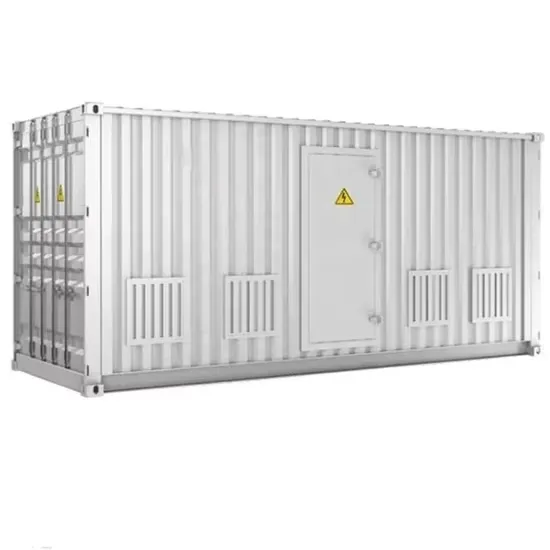
Angola solar energy storage cabinet lithium battery energy storage power supply price
Here's a realistic look at the costs you can expect in 2025: The Heart: 10kWh LiFePO4 Battery: Expect to pay between €4,200 and €5,800. Popular and reliable choices include the Huawei LUNA2000 and Tesla Powerwall 3. The Inverter: A crucial component costing between €1,500 and. . Like buying a car, BESS pricing depends on your configuration: Did you know? Solar-integrated BESS systems can reduce long-term costs by 30-40% through renewable energy optimization. A local hospital installed a 50 kWh lithium-ion BESS in 2023. Results: Why Choose EK SOLAR for. . Such a pricing scheme provides users with incentives to invest in behind-the-meter energy storage and to shift peak load towards low-price intervals. The most common type of energy storage in the power grid is pumped hydropower. Next-generation thermal management systems maintain optimal. . Let's cut to the chase: battery energy storage cabinet costs in 2025 range from $25,000 to $200,000+ – but why the massive spread? Whether you're powering a factory or stabilizing a solar farm, understanding these costs is like knowing the secret recipe to your grandma's famous pie. Let's unpack this solar bonanza: These aren't just numbers on a spreadsheet.
[PDF Version]
-
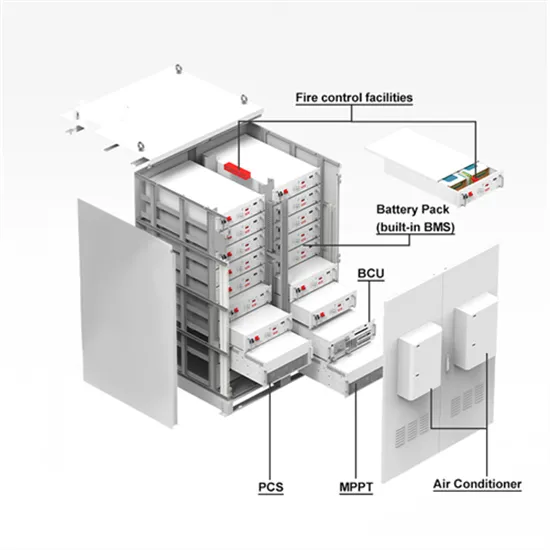
Solar container lithium battery energy storage and power type
These systems capture electrical energy in batteries and release it on demand, addressing fluctuations in supply and demand from variable sources like solar and wind. Central to BESS functionality is the interplay between power capacity in megawatts (MW) and energy capacity in. . Containerized Battery Energy Storage Systems (BESS) are essentially large batteries housed within storage containers. This setup offers a modular and scalable solution to energy storage. Our design incorporates safety protection. . Stable Power Supply; You can store the energy from the solar panel system or wind power system in the battery energy storage system, and the BESS will supply you with stable and reliable power by intelligent energy management system. Global deployments of BESS in the first half of 2025 have surged by 54%, reaching. .
[PDF Version]
-
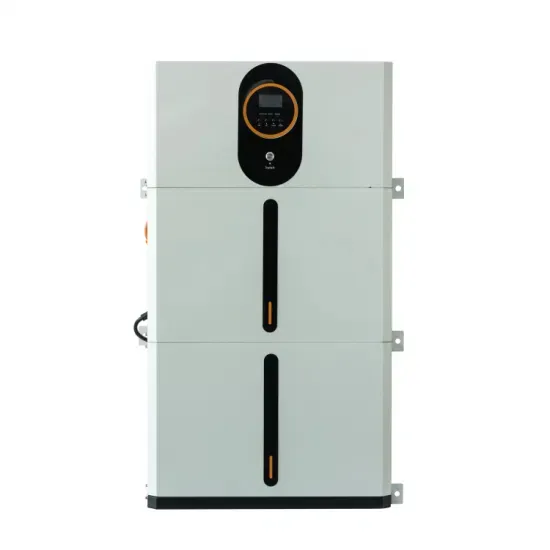
Lithium ion vs metal battery
Here's a summary of the key differences between lithium-metal and lithium-ion batteries: Lithium-ion: Uses graphite as the anode, intercalating lithium ions within its structure. Lithium-metal batteries offer exceptional energy density, exceeding 500 Wh/kg, while lithium-ion batteries typically achieve around 100-270 Wh/kg. Although both use lithium, they differ significantly in construction, performance, applications, and safety. This article will explore these two types' key differences in detail.
[PDF Version]
-
Use batteries instead of lithium battery packs
Non-lithium battery alternatives, such as vanadium flow, non-vanadium flow, and sodium-ion batteries, offer scalable, safer, and more cost-effective solutions for stationary energy storage, despite trade-offs like higher upfront costs or lower energy density. . Among the various types of batteries available, lithium batteries have gained popularity due to their high energy density, long lifespan, and relatively low self-discharge rate. Every battery is made up of a cathode (positive electrode), an anode (negative electrode), and an electrolyte medium. Some of the most effective substitutes are already sitting on shelves—ready to drop into. . Scientists are continually looking for sustainable non-lithium battery alternatives because lithium-ion batteries come with safety risks and environmental consequences in their production.
[PDF Version]
-
Lithium battery packs installed in series
Lithium batteries are connected in series when the goal is to increase the nominal voltage rating of one individual lithium battery - by connecting it in series strings with at least one more of the same type and specification - to meet the nominal operating voltage of the system the. . Lithium batteries are connected in series when the goal is to increase the nominal voltage rating of one individual lithium battery - by connecting it in series strings with at least one more of the same type and specification - to meet the nominal operating voltage of the system the. . Connecting lithium-ion batteries in parallel or in series is not as straightforward as a simple series-parallel connection of circuits. To ensure the safety of both the batteries and the individual handling them, several important factors should be taken into consideration. Before diving into the. . Quick Answer Lithium batteries can be connected in series to increase voltage, in parallel to increase capacity, or in a series-parallel configuration to increase both voltage and capacity. Figure 1 below shows a typical EarthX 13.
[PDF Version]
 MENU