
-

Lithium ion battery market share
Asia-Pacific dominated the global lithium-ion battery market with the largest market share of 53% in 2025. 66 billion in 2025 and is projected to reach USD 306. Lithium-ion batteries are ideal rechargeable battery used in EVs, renewable energy storage. 85% during the forecast period. 8% market share, while cathode will lead the component segment with a 36.
[PDF Version]
-
Market size of lithium iron battery energy storage
The Battery Energy Storage System (BESS) Market, valued at USD 50. 96B by 2030, growing at a 15. Rapid cost declines in lithium-ion cells, supportive procurement mandates, and rising. . The lithium-ion battery market is projected to grow from USD 87. 8% market share, while cathode will lead the component segment with a 36. Market growth is driven by increasing adoption of electric vehicles, rising deployment of renewable energy and. .
[PDF Version]
-
A reflection on lithium ion battery cathode
This review article provides a re ection on how fundamental studies have facilitated the discovery, optimization, and rational design of three major categories of oxide cathodes for lithium-ion batteries, and a personal perspective on the future of this important area. By utilizing a solid electrolyte instead of a liquid, these batteries offer the potential for enhanced safety, higher energy density, and longer life cycles.
[PDF Version]
-
Lithium battery photovoltaic energy storage small market value
The lithium-ion solar energy storage market size in 2023 was valued at USD 52. 9 billion and is estimated to grow at 15. 2% CAGR by 2034 owing to growing energy demand across isolated regions. This growth is fueled by the increasing adoption of electric vehicles, the large-scale integration of renewable energy, and rising demand for. . In this work we describe the development of cost and performance projections for utility-scale lithium-ion battery systems, with a focus on 4-hour duration systems. The projections are developed from an analysis of recent publications that include utility-scale storage costs. 8% market share, while cathode will lead the component segment with a 36. 1. . For solar-plus-storage—the pairing of solar photovoltaic (PV) and energy storage technologies—NLR researchers study and quantify the economic and grid impacts of distributed and utility-scale systems.
[PDF Version]
-
Lithium ion vs metal battery
Here's a summary of the key differences between lithium-metal and lithium-ion batteries: Lithium-ion: Uses graphite as the anode, intercalating lithium ions within its structure. Lithium-metal batteries offer exceptional energy density, exceeding 500 Wh/kg, while lithium-ion batteries typically achieve around 100-270 Wh/kg. Although both use lithium, they differ significantly in construction, performance, applications, and safety. This article will explore these two types' key differences in detail.
[PDF Version]
-
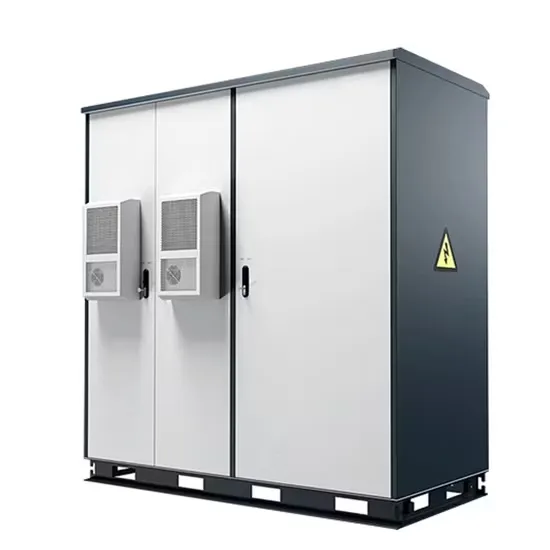
Do solar container lithium battery packs have overcharge
Yes, overcharging is possible, but it differs from traditional lead-acid or alkaline batteries. Well-designed lithium battery packs include a Battery Management System (BMS) that prevents overcharging and associated hazards. . You can overcharge a solar battery, but it's uncommon with modern charging systems. To prevent damages, always follow manufacturer guidelines. However, low-cost, older, or DIY packs without a BMS risk overheating. . When it comes to lithium batteries—whether for your RV, boat, off-grid cabin, or solar setup—one of the most common questions is: Can you overcharge a lithium battery? The short answer is yes, it's possible to overcharge a lithium battery, but not in the same way you might accidentally overcharge. . If you wonder how to keep a solar panel from overcharging a battery, rest easy, as the process is pretty simple. Some additional pieces of information are essential: Decrease reliance on grid-based energy. Still, understanding how charging works and what protections you need will save you from costly damage. This guide breaks it down simply so you can power up without. . However, a critical aspect often overlooked is the potential for overcharging, which can jeopardize both the performance and safety of your battery.
[PDF Version]
 MENU